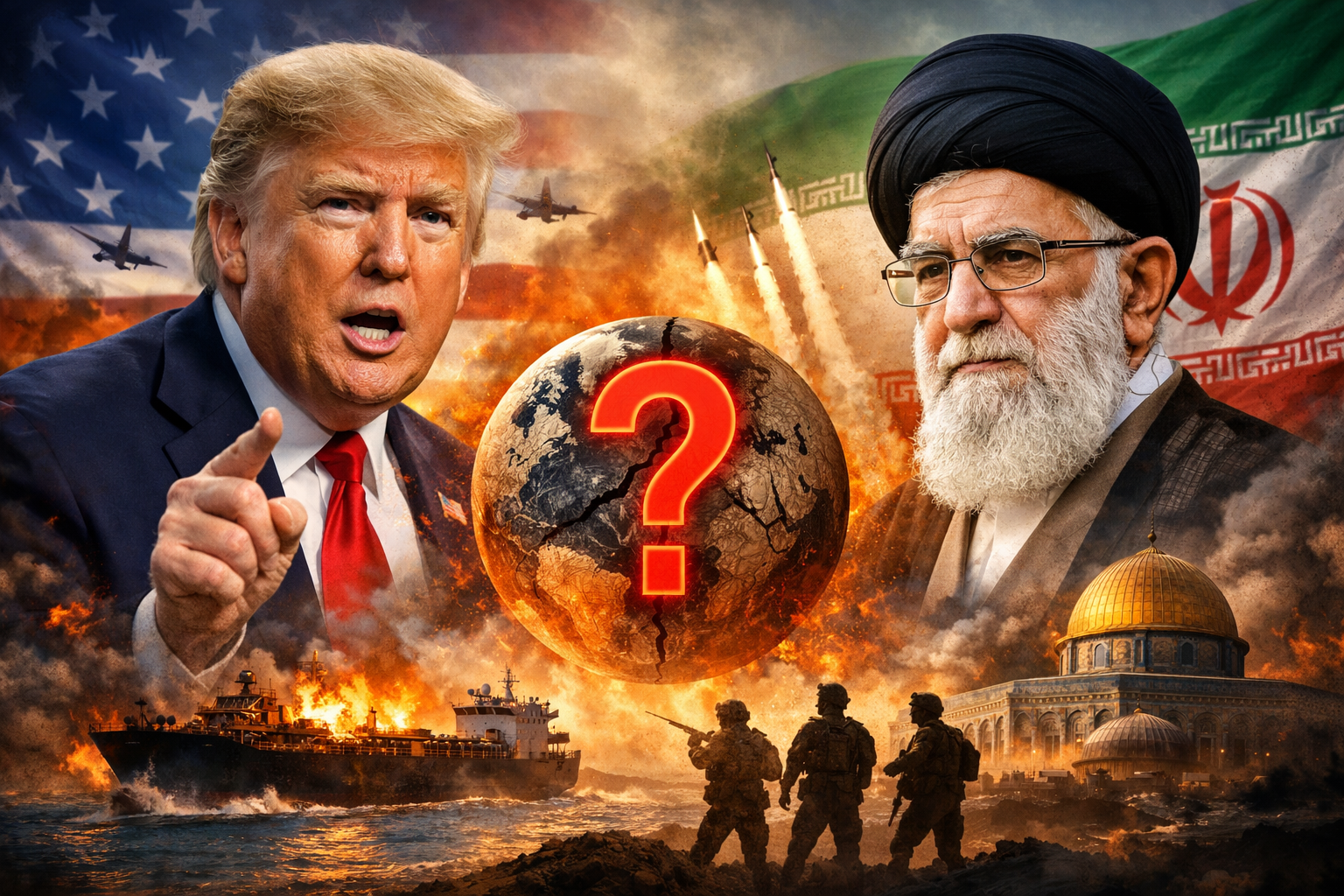
Amid rising tensions in the Middle East, a surprising statement from Donald Trump has added a new layer of complexity to an already volatile situation. Trump recently claimed that Iran is “willing to make a deal,” hinting at possible diplomatic progress behind the scenes. However, Tehran wasted no time in rejecting this claim. Iranian officials firmly denied that any talks—direct or indirect—are currently taking place with the United States. This sharp contradiction has left global observers puzzled and sparked intense speculation about what’s really happening behind closed doors. According to Trump, discussions with Iran have been “productive,” and key points of agreement are already emerging. His remarks suggested that tensions could ease in the near future, even leading to a temporary pause in potential military actions. For a moment, it appeared that diplomacy might take precedence over conflict. Yet, Iran’s response tells a completely different story. Officials in Tehran have labeled these claims as baseless, emphasizing that no formal communication has occurred. This outright denial raises an important question: Is one side misrepresenting the situation, or is there a deeper strategic game at play? Some geopolitical analysts believe that indirect negotiations may indeed be underway through third-party nations acting as mediators. In such scenarios, public denial is not uncommon, as governments often aim to control domestic reactions and maintain strategic ambiguity on the global stage. Another perspective suggests that Trump’s statement could be a calculated move. By projecting the possibility of a deal, it may help ease global market tensions—particularly in the oil sector, where uncertainty in the Middle East often triggers sharp price fluctuations. The strategic Strait of Hormuz remains a key pressure point, making every statement from major players highly impactful. Meanwhile, the ground reality remains tense. Military activities continue, and the broader regional conflict shows no clear signs of slowing down. Humanitarian concerns are also mounting, adding urgency to the need for clarity and resolution.
"The decisions we make today will shape the world for generations to come."