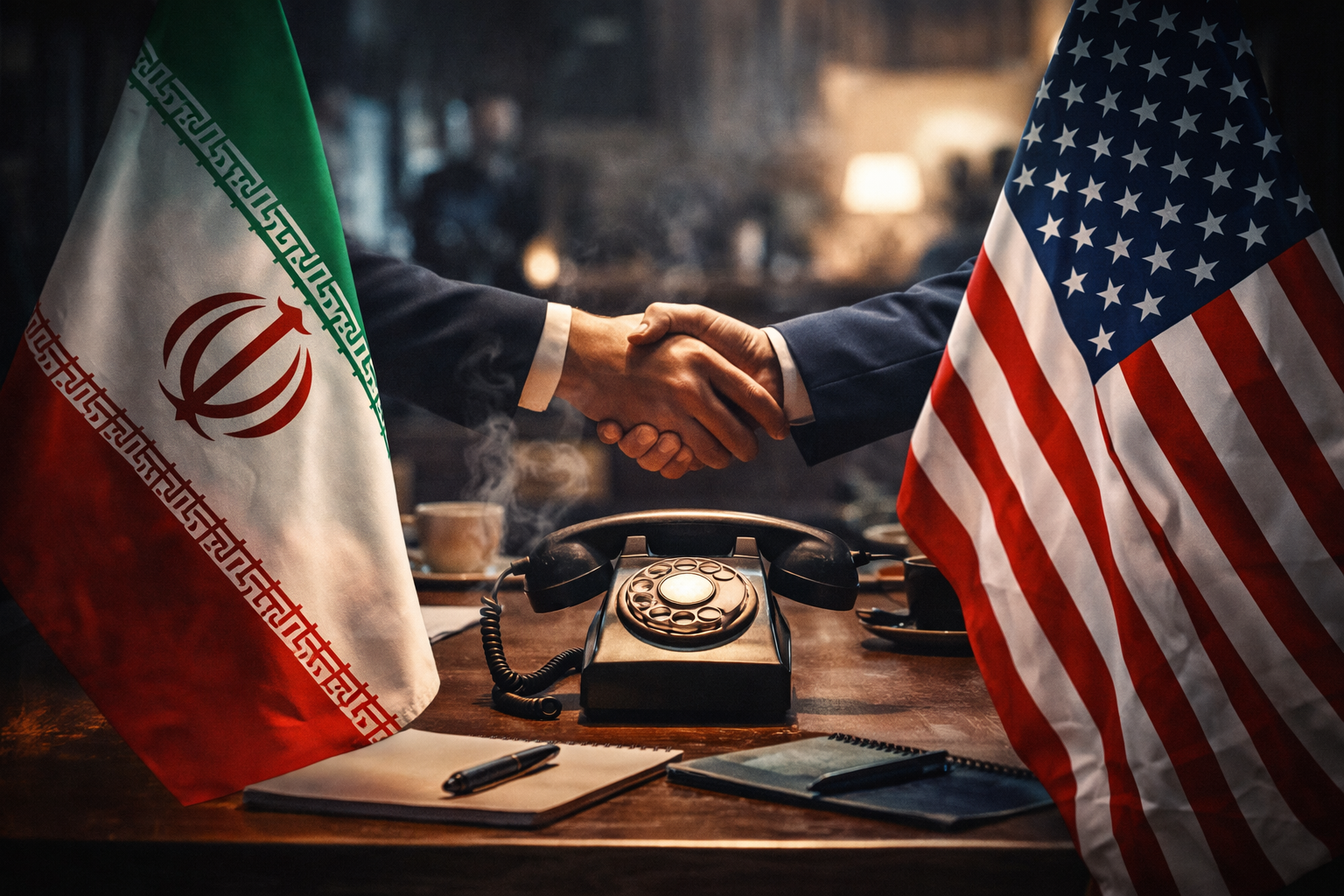
As the conflict between Iran and the United States intensifies, reports have emerged suggesting that Tehran may have quietly sent signals indicating a willingness to discuss ending the war. According to multiple media reports, Iranian intelligence officials allegedly passed a message to U.S. authorities through indirect diplomatic channels in early March 2026.
The reported outreach came just days after the United States launched large-scale strikes on Iranian military infrastructure under Operation Epic Fury, which began on February 28, 2026. The operation targeted ballistic missile sites, command centers, and other strategic assets believed to be linked to Iran’s military capabilities.
Sources cited in international media say the message was not delivered through formal diplomatic contact but rather through a third-party intelligence channel communicating with the CIA. Such back-channel communications are not uncommon during periods of intense conflict, allowing countries to explore possible off-ramps without making public commitments.
The reported signal from Iran came around March 4–5, shortly after the first phase of the American campaign, which involved hundreds of strikes on Iranian targets. Analysts believe the timing suggests Tehran may have been testing whether diplomatic options remained possible before the conflict escalated further.
However, the situation remains unclear. U.S. officials have stated that no active negotiations are currently underway, while Iranian authorities have publicly denied sending messages to Washington about ending the war.
Despite the uncertainty, the reports have sparked significant discussion among geopolitical analysts. Some experts argue that early signals for talks often appear during conflicts when both sides are assessing the military and political costs of prolonged fighting.
Others note that Iran may have sought to avoid a broader regional war, which could involve additional countries in the Middle East and threaten global energy supply routes.
At the same time, Washington has maintained a firm stance that its military operations are aimed at weakening Iran’s ability to launch missile attacks and disrupt its command structure. U.S. officials say operations will continue until the identified threats are neutralized.
Conclusion
Whether the reported message from Iran represents a genuine attempt to open negotiations or simply a strategic signal remains uncertain. In modern conflicts, back-channel communication is often used as a way to test the possibility of de-escalation without appearing publicly weak.
As military operations continue and regional tensions remain high, any signs of diplomatic contact—formal or informal—could become a critical factor in determining whether the conflict moves toward further escalation or a potential path to negotiations.
"The decisions we make today will shape the world for generations to come."