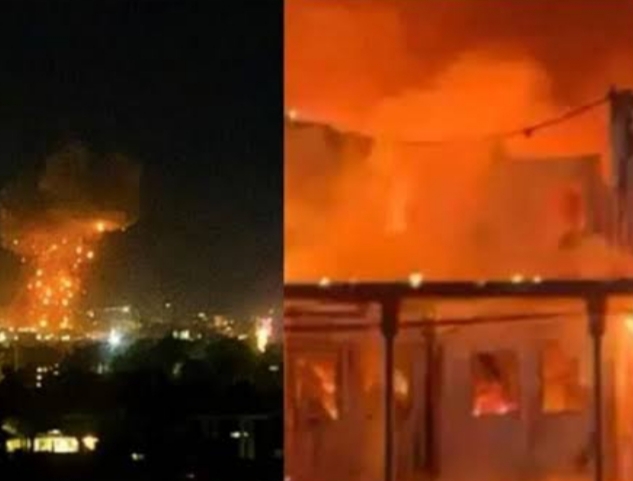
Tensions between Pakistan and Afghanistan have taken a dramatic and tragic turn following reports of a devastating airstrike in Kabul. According to initial claims by Afghan authorities, a hospital dedicated to treating drug addiction patients was struck, resulting in a massive loss of life and widespread destruction.
Officials in Kabul have stated that more than 400 people were killed and at least 250 others injured in the attack. The targeted facility, reportedly one of the largest drug rehabilitation centers in the region, housed hundreds of vulnerable patients undergoing treatment. Eyewitness accounts describe scenes of chaos, with parts of the building reduced to rubble and emergency responders struggling to rescue survivors.
The incident has quickly become one of the deadliest single strikes in the ongoing tensions between the two neighboring countries. Afghan authorities have accused Pakistan of carrying out the airstrike, calling it a violation of sovereignty and an attack on civilians. However, Pakistan has firmly denied these allegations, asserting that its military operations are strictly aimed at militant targets and not civilian infrastructure.
This conflicting narrative has added complexity to an already volatile situation. The lack of independent verification has made it difficult to establish the exact sequence of events, but the scale of casualties has drawn immediate international attention and concern.
The broader context of this incident lies in the deteriorating relationship between Islamabad and Kabul. In recent weeks, both sides have engaged in cross-border operations, citing security threats and militant activities along the border. These actions have intensified fears of a larger military confrontation, even though neither country has officially declared war.
Humanitarian organizations have expressed alarm over the reported attack on a medical facility, emphasizing that hospitals are protected under international law and should never be targeted. If confirmed, such an incident could have serious implications for regional stability and international diplomatic relations.
Global leaders and international bodies are now calling for restraint and an independent investigation into the incident. The priority remains to ensure accountability, prevent further escalation, and provide urgent medical assistance to the injured.
As the situation unfolds, this tragic event underscores the human cost of rising geopolitical tensions. Whether accidental or deliberate, the consequences are severe, and the need for dialogue and de-escalation has never been more urgent.
"The decisions we make today will shape the world for generations to come."