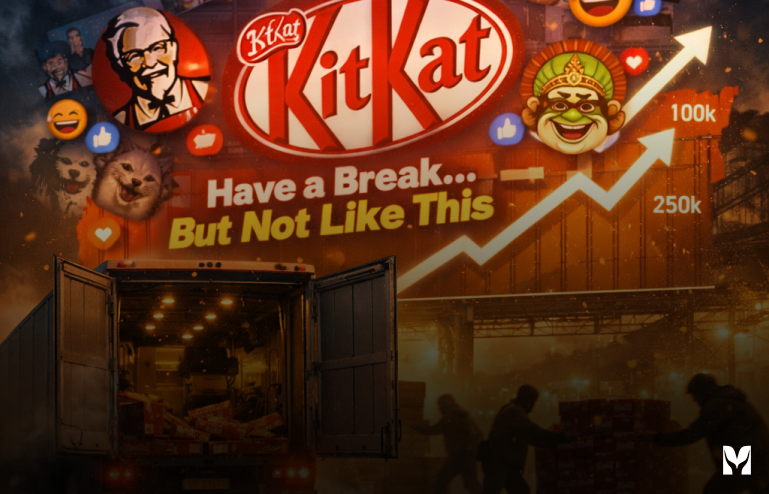
In late March 2026, what began as a routine logistics run from a Nestlé production site in central Italy turned into one of the most talked-about cargo thefts in recent memory. On or around March 26, a truck carrying approximately 12 metric tons of limited-edition KitKat bars – precisely 413,793 individual units – vanished while en route toward Poland. The cargo wasn’t ordinary chocolate; these were special Formula 1-themed bars molded into miniature race cars, complete with sculpted wings, tires, and intricate detailing, timed to ride the excitement of the upcoming European Grand Prix season.
The scale is eye-popping: 12 tons equals roughly the weight of two adult male African elephants, or enough chocolate to give every resident of a small town a generous “break.” Thieves reportedly struck on a highway stretch outside Turin, with some accounts suggesting they may have posed as law enforcement to pull over the vehicle – a tactic that has become disturbingly common in sophisticated cargo hijackings across Europe. As of early April 2026, the truck and its sweet payload remain unrecovered.
Nestlé and KitKat moved quickly. In an official statement that instantly went viral, the brand leaned into its iconic slogan with perfect comedic timing: “We’ve always encouraged people to have a break with KitKat – but it seems thieves have taken the message too literally and made a break with more than 12 tonnes of our chocolate. Whilst we appreciate the criminals’ exceptional taste, the fact remains that cargo theft is an escalating issue for businesses of all sizes.” The company stressed there were “no concerns for consumer safety” and that overall supply to stores would not be meaningfully disrupted, though localized Easter shortages in certain European markets could not be entirely ruled out.
Each stolen bar carries traceable batch numbers, prompting KitKat to launch a public “Stolen KitKat Tracker” on April 1, actively crowdsourcing tips and warning that the product could surface in unofficial or black markets. Authorities in Italy and Poland are investigating, but no arrests have been publicly announced.
What makes this story remarkable is how swiftly it transcended crime reporting and became a global cultural moment. Social media exploded with memes, puns (“four-finger discount,” “someone somewhere is taking a loooooong break”), and conspiracy theories ranging from an inside job to an elaborate publicity stunt. Major brands jumped in with playful jabs – KFC, Domino’s, DoorDash, and even Microsoft and McAfee crafted witty responses. In India, the humor crossed borders: Kerala Tourism cheekily claimed it had searched its backwaters, hills, and beaches with “no sign of the missing KitKats,” while Uttar Pradesh Police and IRCTC added their own local flavor to the banter. The episode highlighted how a light-hearted crisis can generate organic reach that traditional advertising rarely matches.
Analytically, the KitKat heist reveals three broader truths about today’s consumer-goods landscape.
First, supply-chain vulnerability is rising in plain sight. Cargo theft – especially of high-value, easy-to-resell consumer products like premium chocolate – has been climbing across Europe and beyond. Sophisticated rings target predictable routes, valuable but non-perishable goods, and moments of high seasonal demand such as Easter. For a brand like KitKat, whose global production and distribution are massive, even a single truck represents a tiny fraction of output, yet the visibility of the loss can erode confidence if not handled transparently.
Second, crisis communication has evolved into performance art. Nestlé’s decision to embrace humor rather than issue a dry corporate statement transformed potential reputational damage into a net positive. By acknowledging the theft with self-deprecating wit while still flagging the seriousness of cargo crime, the company humanized the brand and invited the internet to participate. The resulting wave of user-generated content and cross-brand engagement delivered millions of impressions at virtually zero media spend – a textbook case of turning lemons (or in this case, missing wafers) into lemonade.
Third, limited-edition tie-ins amplify both opportunity and risk. The Formula 1 collaboration gave the stolen shipment extra cachet; collectors or opportunistic resellers may find the car-shaped bars particularly appealing on gray markets. At the same time, the timing – just before Easter – heightened public interest and urgency. For brands chasing cultural relevance through partnerships, this episode is a reminder that visibility works both ways: when something goes wrong, the story travels faster and farther.
As April 2026 progresses, the investigation continues, and the tracker remains active. Whether the bars are eventually recovered, melted down, or quietly dispersed remains unknown. What is clear is that Nestlé has already extracted significant value from the misfortune. In an era where attention is the scarcest resource, the Great KitKat Heist may ultimately be remembered less as a crime and more as an accidental masterclass in resilient, personality-driven branding.
For consumers, the takeaway is simple: keep an eye on unofficial sellers and check batch codes if you spot unusually cheap F1 KitKats. For the industry, it’s a sharper warning that in the age of always-on social media, how you respond to a heist can matter more than the heist itself.
"The decisions we make today will shape the world for generations to come."