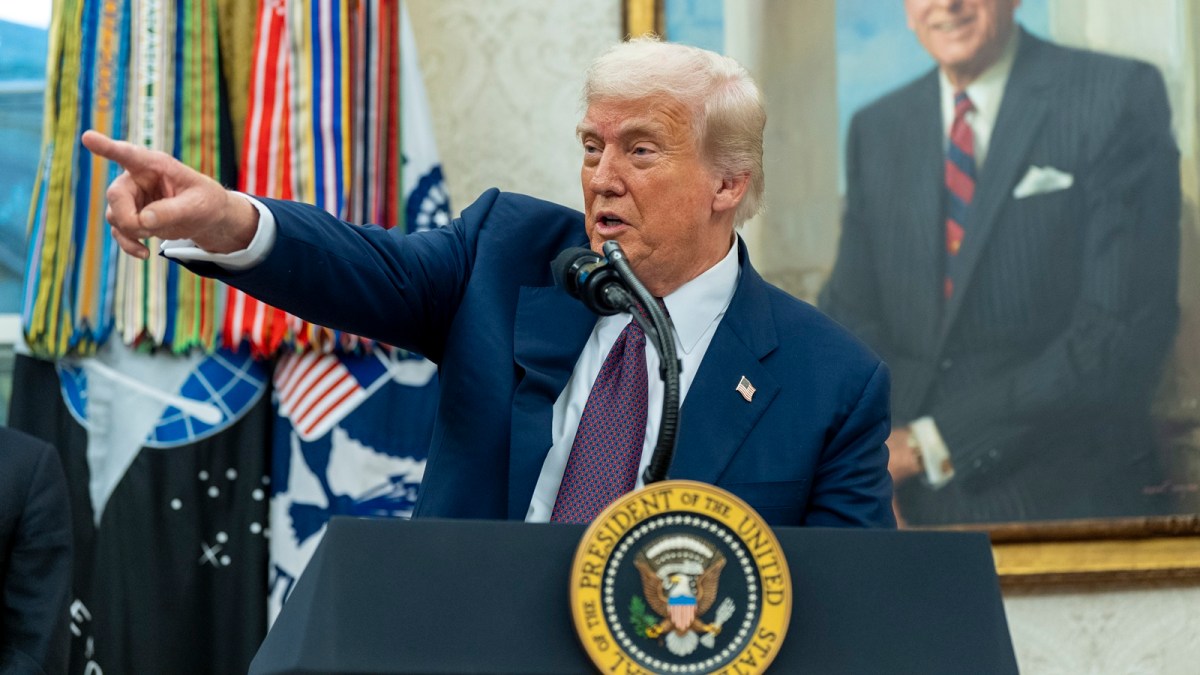
A recent economic study has challenged one of the most repeated claims of former US President Donald Trump’s trade policy — that foreign countries pay the price for American tariffs. According to the findings, nearly 96% of the financial burden created by Trump-era tariffs was ultimately paid by Americans themselves, not by foreign exporters.
The research shows that while tariffs were presented as a tool to punish overseas producers and protect US industry, their real impact was felt much closer to home, through higher prices, reduced choices, and pressure on household budgets.
How Tariffs Actually Work
In theory, tariffs are taxes imposed on imported goods. Although they are often portrayed as a cost imposed on foreign countries, in practice the tax is paid by US importers at customs. These importers then pass on most of the added cost to retailers and consumers, resulting in higher prices across the economy.
The study found that foreign exporters largely did not reduce their prices to offset the tariffs. Instead, US businesses paid the duties upfront and transferred the cost down the supply chain. This explains why the overwhelming majority of the tariff burden landed on American buyers.
Rising Prices, Fewer Choices
One of the most visible outcomes of the tariff policy was a steady rise in prices for imported goods and products that rely on imported components. Items ranging from electronics and household goods to industrial inputs became more expensive, effectively acting as a hidden tax on consumers.
In addition to higher prices, tariffs reduced the variety of goods available in the US market. Imports from targeted countries declined sharply, not because they became cheaper elsewhere, but because demand fell under the weight of higher costs. This limited consumer choice and disrupted established supply chains.
No Manufacturing Revival
A key justification for the tariffs was the promise of a manufacturing revival in the United States. However, the study found little evidence that tariffs delivered meaningful job growth in the manufacturing sector. In fact, manufacturing employment weakened during the period, as higher input costs and trade uncertainty hurt business investment.
Rather than reshoring production at scale, many companies faced higher expenses and shrinking margins, making it harder to expand operations or hire new workers.
Big Government Receipts, Public Cost
Tariffs did generate large revenues for the US government, amounting to hundreds of billions of dollars over the period studied. But economists stress that this revenue did not come from foreign governments — it came directly from American companies and consumers.
In effect, tariffs functioned as a domestic consumption tax, raising government receipts while reducing household purchasing power. Unlike income or sales taxes, however, tariff costs were unevenly distributed and harder for consumers to identify.
A Misunderstood Policy Tool
The study highlights a broader misunderstanding around tariffs in public debate. While politically attractive as a tough trade measure, tariffs rarely shift costs abroad unless foreign exporters are forced to slash prices — something that did not happen at scale during the Trump years.
Instead, the economic evidence shows that tariffs tend to raise inflation, slow growth, and strain supply chains, while delivering limited benefits to domestic production.
"The decisions we make today will shape the world for generations to come."