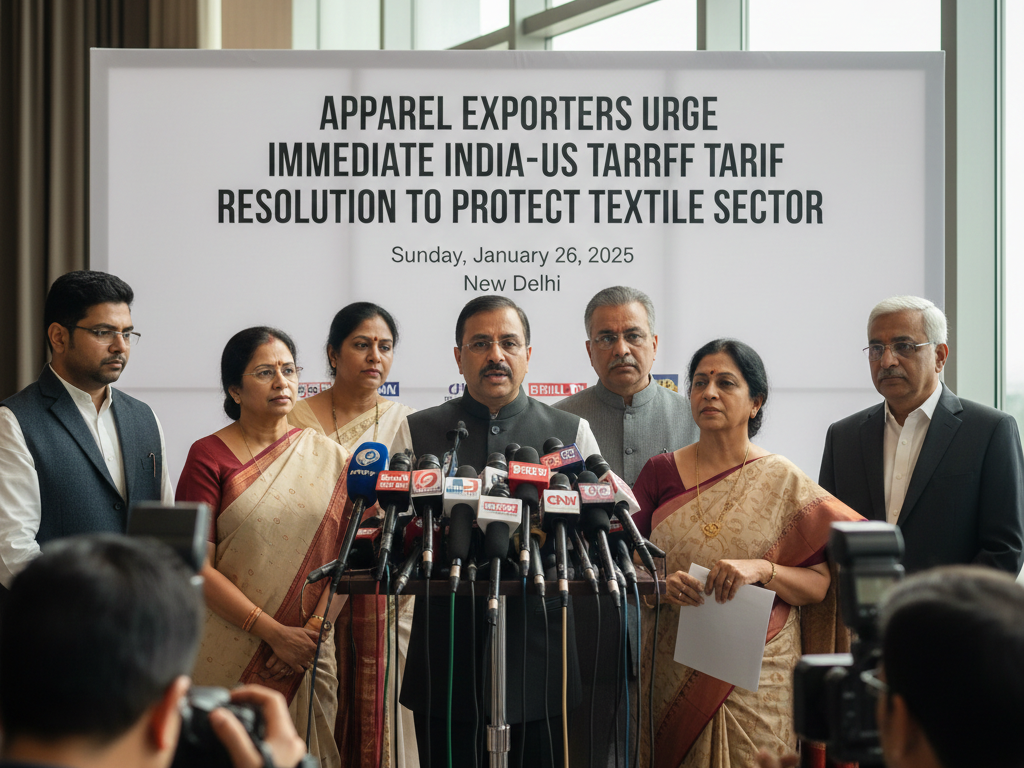
India's Apparel Export Promotion Council (AEPC) has escalated its plea to the government for immediate intervention against the 50 percent US tariffs on textile and apparel imports, imposed since August 2025. Comprising a 25 percent reciprocal tariff and an additional 25 percent penalty tied to India's purchases of Russian crude oil, these duties threaten the sector's survival in its largest export market. AEPC Chairman A Sakthivel highlighted the crisis at the 74th India International Garment Fair in New Delhi and in a January 10 letter to Vice President Jagdeep Dhankhar, warning of production cuts, factory closures, and irreversible market share losses to competitors like Vietnam and Bangladesh.
Industry Under Strain From Tariff Burden
The tariffs have triggered widespread order cancellations and deferrals by US buyers, with exporters already absorbing up to 25 percent discounts to stay competitive, exhausting their financial buffers. Tiruppur, Tamil Nadu—the knitwear capital contributing 30-35 percent of India's US-bound apparel exports—reports a sharp 50 percent plunge in fall season orders, projecting losses of ₹6,000-8,000 crore as business shifts abroad. Overall, India's ready-made garment (RMG) exports demonstrated resilience, rising 2.36 percent year-on-year to $11.58 billion from April to December 2025, though combined textile and apparel exports edged down 0.26 percent to $26.53 billion amid broader pressures.
AEPC's Proposed Relief Measures
To counter the crisis, AEPC recommends reinstating a Focus Market Scheme offering 20 percent transferable duty credit scrips on FOB export value to the US, hiking interest subvention rates to 5 percent from 2.75 percent, and lifting the ₹50 lakh annual cap under the Export Promotion Mission's equalization scheme. Sakthivel stressed that any 3-6 month delay could cement permanent market erosion, urging swift action from ministries. Vice President Dhankhar assured the delegation that concerns would be forwarded for priority resolution.
Signals of Tariff Relief Emerge
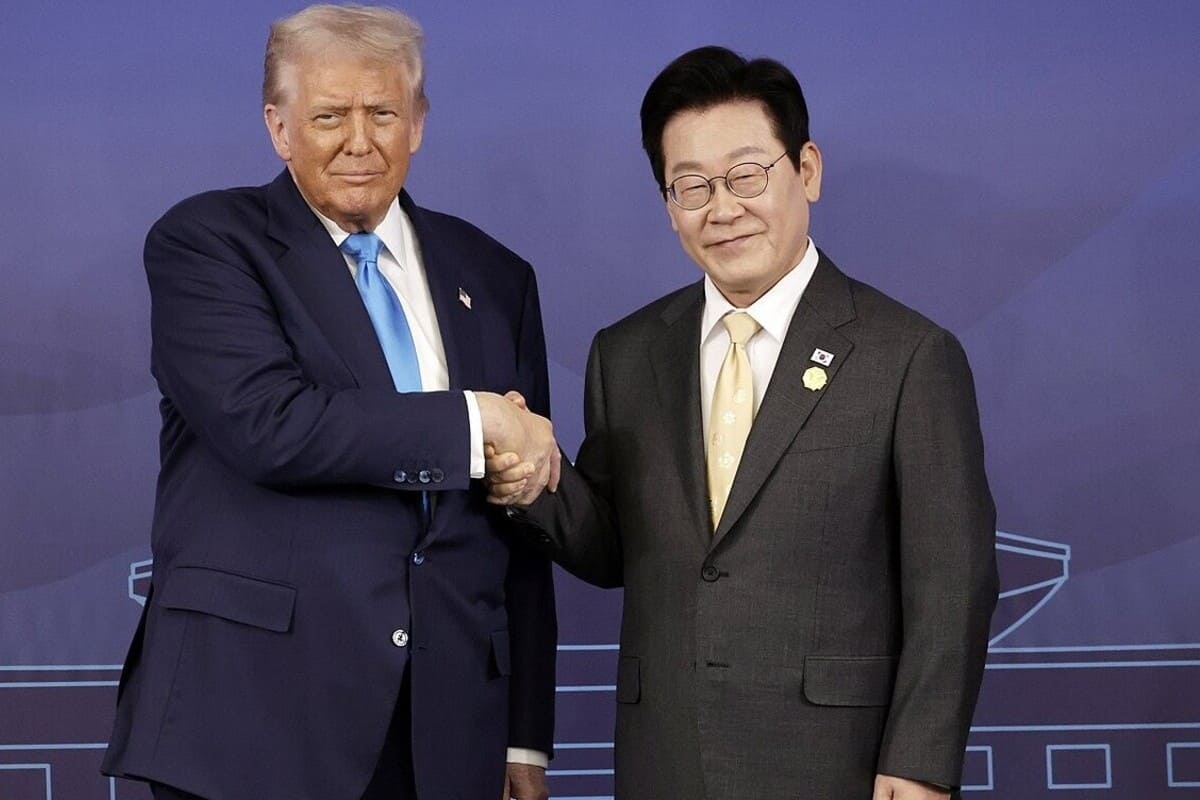
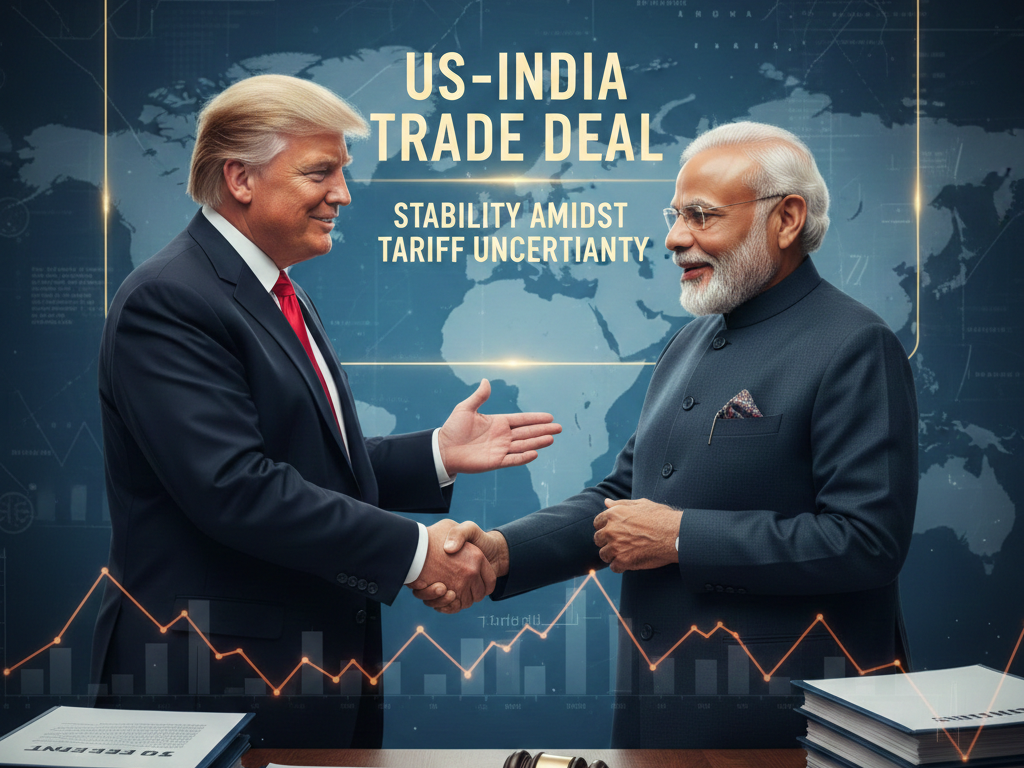
Positive developments surfaced at the World Economic Forum in Davos on January 23, 2026, where US Treasury Secretary Scott Bessent outlined "a path" to lift the 25 percent oil-related tariff, citing India's reduced Russian crude imports from peak levels of 1.4-1.6 million barrels per day to around one million. President Trump described Prime Minister Modi as a "close friend," signaling optimism for a broader trade deal encompassing tariffs, H1B visas, and pharmaceuticals. As of January 25, 2026, trade talks remain "constructive," though no firm timeline exists.
EU FTA Offers Diversification Lifeline
Negotiators are pushing to finalize the India-EU Free Trade Agreement ahead of the January 27 summit, potentially granting zero-duty access for textiles into the $125 billion EU market where India's share lingers at 5-6 percent. The Cotton Textiles Export Promotion Council advocates for favorable terms to enhance competitiveness against Bangladesh and China, as evidenced by exporter enthusiasm at Heimtextil 2026 in Germany. This diversification could offset US setbacks and support the government's $40 billion apparel export target by 2030.
Broader Sector Outlook and Risks
Without resolution, analysts project a 9-10 percent decline in overall textile exports to $30 billion in CY2026, undermining recent gains from PLI schemes and PM MITRA parks. The industry, contributing 2.3 percent to GDP and employing millions, eyes Budget 2026-27 for enhanced incentives amid structural reforms. As talks progress, exporters remain cautiously optimistic, but sustained tariffs could trigger widespread shutdowns and job losses.
"The decisions we make today will shape the world for generations to come."