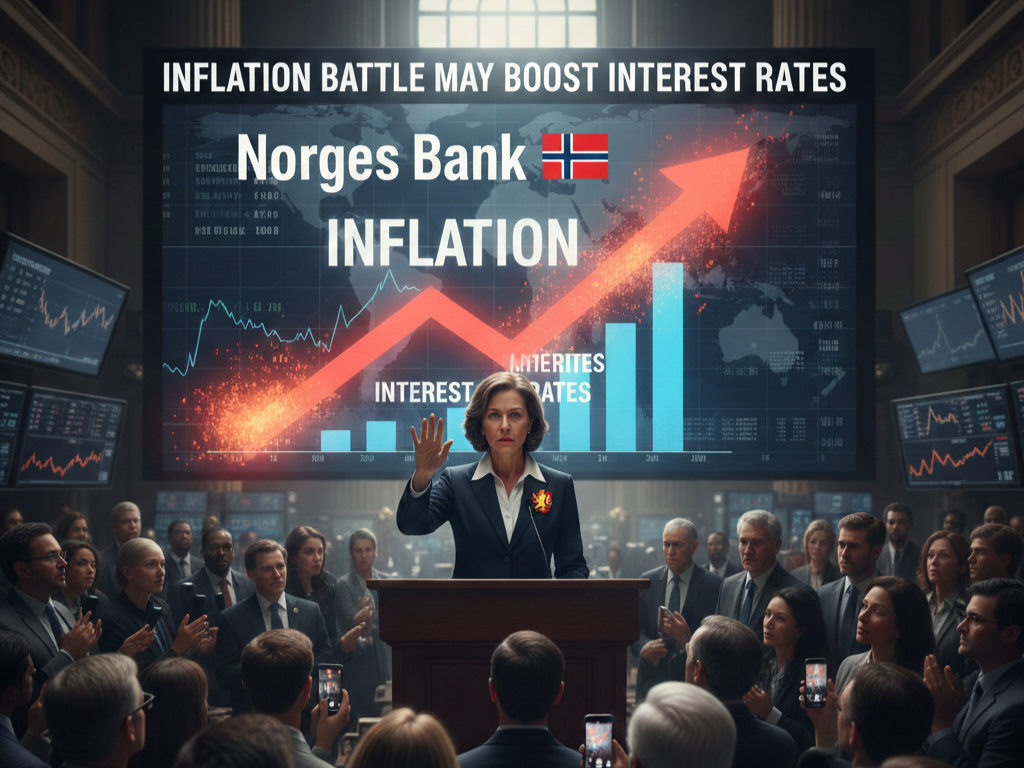
Norway's inflation landscape shifted dramatically this week as Statistics Norway (SSB) unveiled January 2026 consumer price data far exceeding expectations, prompting economists to rethink Norges Bank's easing path. The Consumer Price Index (CPI) surged 3.6% year-over-year, up from December's 3.2% and above the forecasted 3.1%, while core CPI-ATE hit 3.4% against projections of 3.0%. This unexpected persistence has fueled speculation that Governor Ida Wolden Bache may pivot from anticipated cuts to maintaining or even hiking the policy rate at 4%.
The Shock Inflation Report
On February 9, SSB reported the CPI's monthly jump of 0.6%, propelled by sharp rises in housing and utilities (4.3% annual growth), transport (4.4%), and recreation services. Core inflation, excluding volatile energy and taxes, not only beat market consensus but overshot Norges Bank's own 2.9% forecast by half a percentage point, signaling broad-based price pressures amid robust wage growth. Economists dubbed it a "rude awakening," with Nordea analysts noting the data "shocked" markets and strengthened the krone versus the euro.
Norway has grappled with inflation hovering near 3% since late 2024, well above the 2% target, despite the central bank's aggressive hikes to 4.5% peak last year before settling at 4%. January's figures underscore lingering effects from energy costs, supply chain snarls, and domestic wage deals pushing service prices higher.
Economists' Stark Reactions
Norwegian forecasters admitted to being blindsided. "This changes everything—rate cuts are off the table," declared Nordea in their February 12 update, citing sticky core readings and upward wage pressures extending into 2026. Bloomberg highlighted how the surprise "cuts chances of more easing," with traders slashing bets on March relief. SSB's own economists pointed to persistent imported inflation and a tight labor market as culprits, reversing earlier optimism for disinflation.
The krone appreciated sharply post-release, reflecting bets on prolonged restrictive policy. Reuters captured Governor Bache's February 12 pledge to tame inflation, though she avoided specifics ahead of the March 26 meeting.
Norges Bank's Response and Strategy
In January 2026, Norges Bank held rates steady at 4%, stressing data-dependence amid elevated inflation risks. Bache's team views the 2% target as sacrosanct, employing interest rates to anchor expectations, but recent overshoots demand vigilance. Pre-January projections eyed 1-2 quarter-point cuts this year; now, analysts speculate holds or hikes if February data (due March 10) confirms the trend.
Bache reiterated in early February that policy remains restrictive to cool demand, with no tolerance for entrenched high inflation. Geopolitical tensions and global commodity swings add uncertainty, but domestic factors like wages dominate.
Outlook: Cuts Delayed, Hikes Possible?
Speculation now tilts toward status quo or tightening. Nordea forecasts no easing before Q3, potentially pushing the policy rate higher if core CPI stays above 3%. Markets price in just 20 basis points of cuts by June, versus 50 pre-data. For households, this means sustained mortgage pain amid cooling house prices, while exporters benefit from krone strength.
Norway's battle mirrors global reflation worries, but its oil-funded buffers provide resilience. Watch March 26 for fresh forecasts—the central bank's inflation fight intensifies.
"The decisions we make today will shape the world for generations to come."