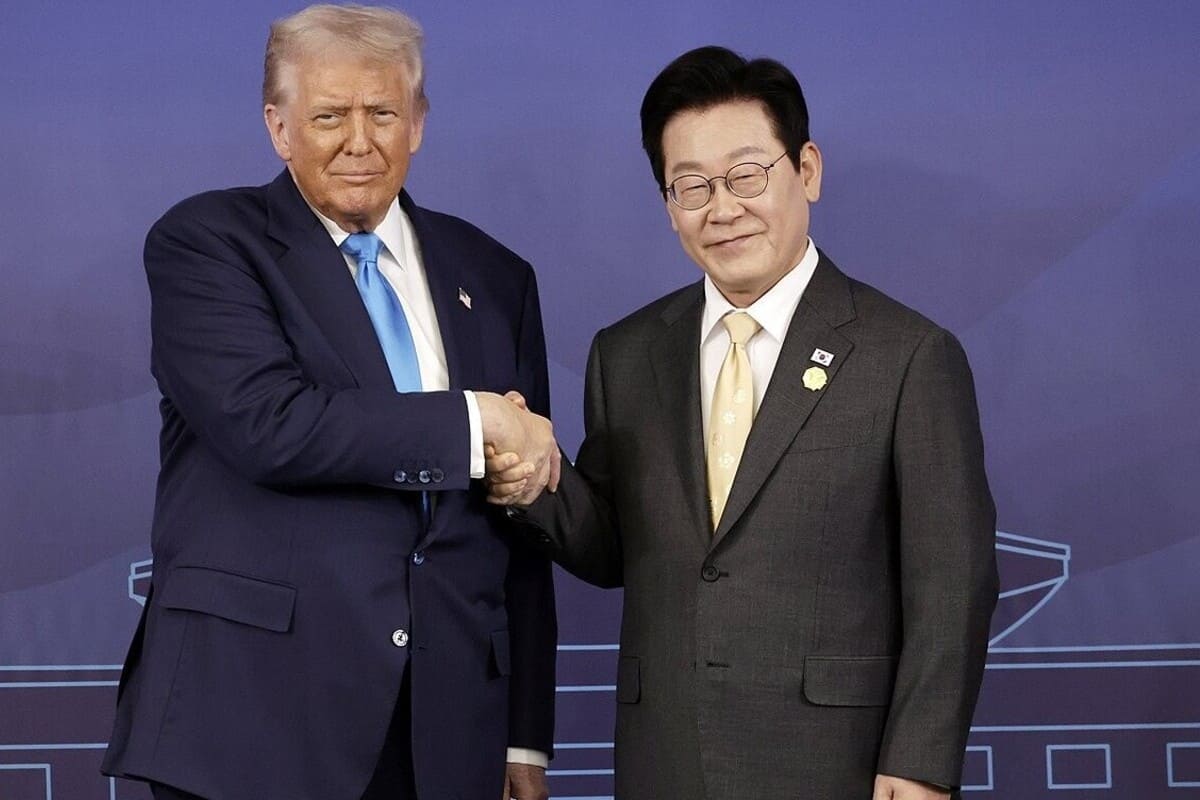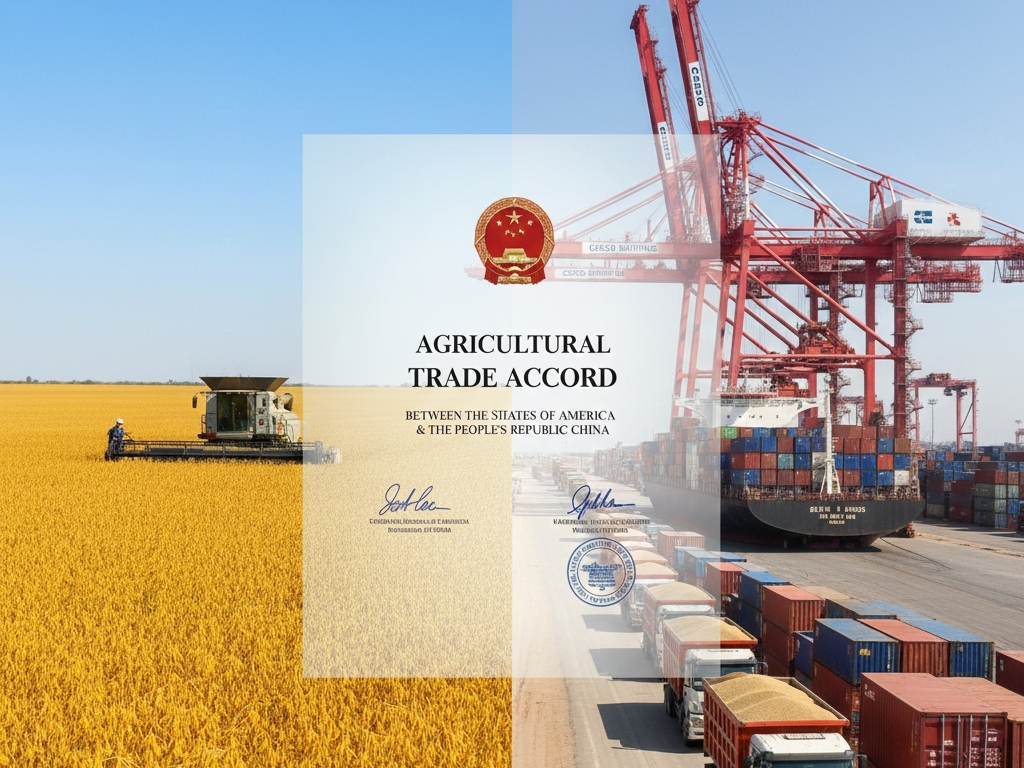
China resumes soybean auctions this week after a three-week pause, underscoring its commitment to the US trade truce forged at the October 2025 Trump-Xi summit in Busan. State stockpiler Sinograin announced 1.1 million metric tons of imported soybeans for auction on January 13, 2026—the year's first sale and fourth since December—aimed at clearing storage for incoming American cargoes. This move supports Beijing's pledge to buy 12 million tons of US soybeans by late February, part of broader commitments totaling 25 million tons annually through 2028.Purchases Approaching Target
US soybean sales to China have surged recently, reaching about 10 million metric tons by early January—80% of the immediate goal—as confirmed by USDA Under Secretary Luke Lindberg. Sinograin alone snapped up 600,000 tons last Friday for April-May delivery, with Lindberg expressing full confidence in fulfillment. December's three auctions sold reserves below market rates to ease crusher margins, targeting 4 million tons total rotation this cycle.Truce Holds Amid Broader Negotiations
The soybean pact anchors a one-year truce from the October 30 summit, slashing US tariffs on Chinese goods from 57% to 47% while pausing Beijing's rare earth export controls. Vice Commerce Minister Li Chenggang, pivotal in European-brokered talks, prioritizes stability ahead of President Trump's April Beijing visit and Xi's reciprocal US trip later in 2026. Historical context shows China bought 23 million tons of US soybeans in 2024-25, down from pre-trade war peaks but rebounding under the deal.Brazilian Competition Looms
Brazil's record harvest kicks off in February, flooding markets and likely depressing prices, rendering US beans less competitive despite political mandates overriding cheaper South American supplies. China stockpiled Brazilian beans through late 2025, delaying US orders until now, with forecasts pegging MY 2025-26 US exports to China at 8-12 million tons versus Brazil's dominance. Traders watch if truce momentum withstands commercial pressures as global dynamics shift.