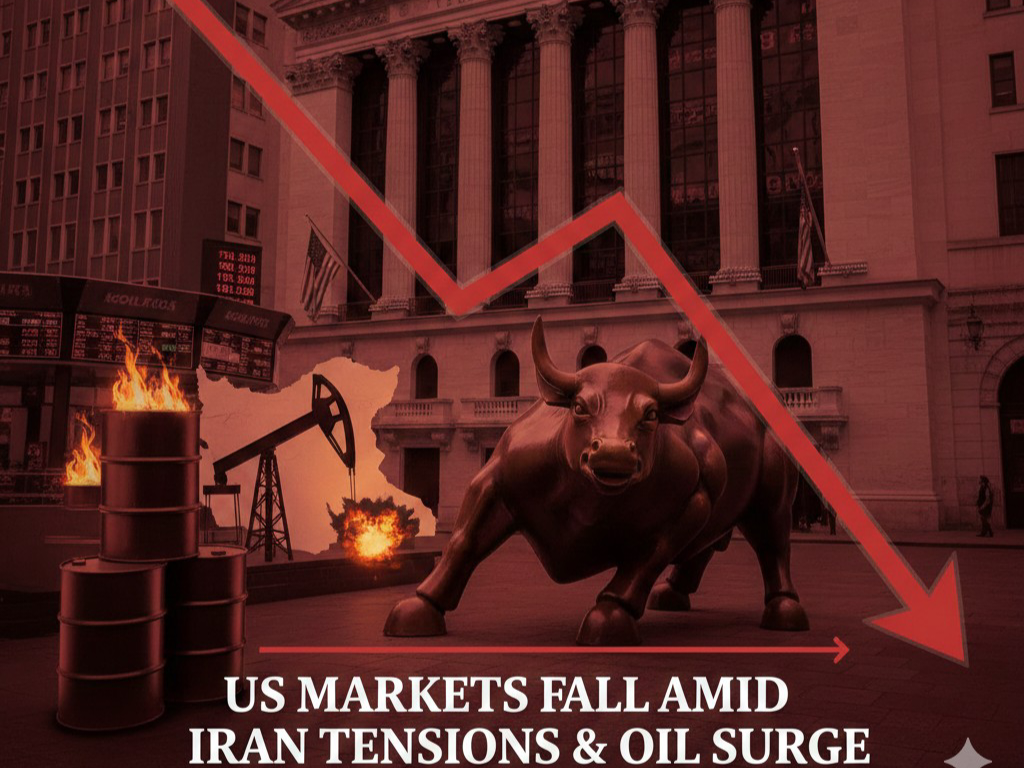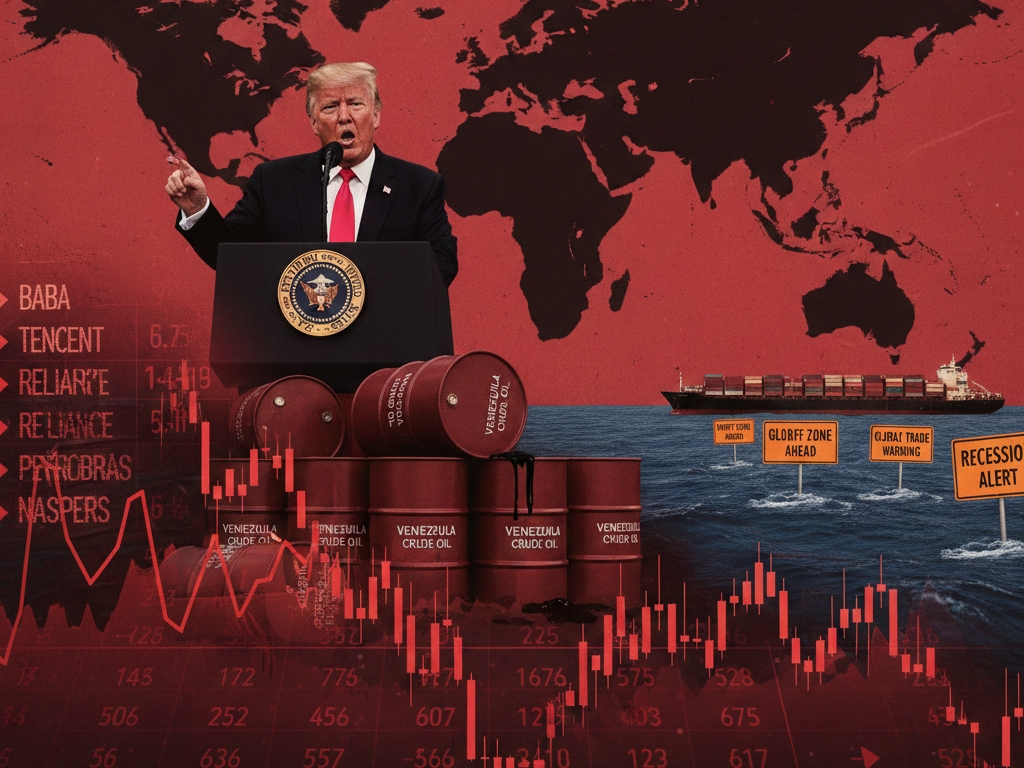
Emerging market assets came under pressure as investors reacted to a confluence of geopolitical shocks, from fresh US tariff threats to an unprecedented intervention in Venezuela’s oil sector and new trade frictions in Asia. Sentiment turned defensive across stocks and currencies, even as hard-currency bond issuance from several sovereigns underscored still-open funding channels.
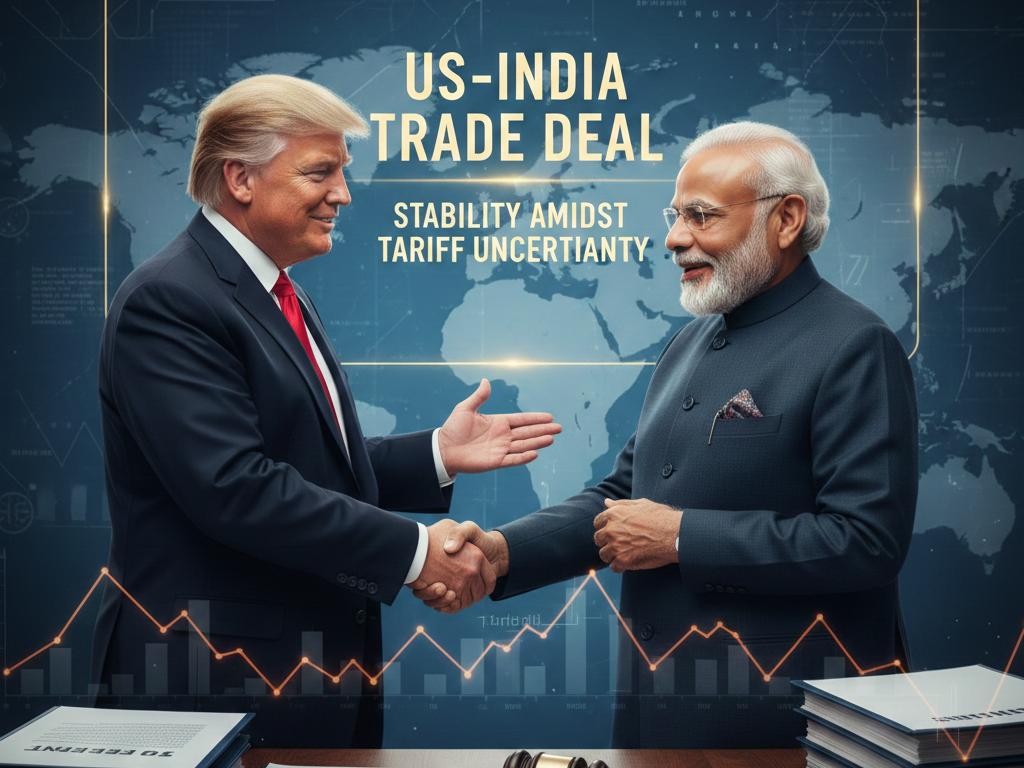
The latest bout of risk aversion followed signals that President Donald Trump is prepared to push far tougher sanctions and tariffs on countries doing business with Russia, including those purchasing its oil, gas or uranium. Market participants fear that sweeping duties targeting sectors such as semiconductors and pharmaceuticals could disrupt supply chains and weigh on export-heavy emerging economies in Asia and Europe.
Concerns intensified after Trump detailed a plan for the United States to take delivery of between 30 million and 50 million barrels of sanctioned Venezuelan oil, with proceeds to be controlled by Washington under the banner of benefiting both nations. Senior officials have outlined a framework in which US authorities would oversee marketing and revenue flows from the cargoes, a move regional observers see as blurring the line between sanctions enforcement and de facto resource control.
The Venezuela operation has raised alarms in Latin America and beyond, where governments worry about precedent for future US involvement in resource-rich states. Analysts point out that Venezuela’s oil output remains far below potential despite holding the world’s largest proven reserves, making it a test case for how Washington might combine security, energy and industrial policy.
In Asia, equity markets absorbed additional shocks as China launched an anti-dumping investigation into imports of dichlorosilane, a key semiconductor chemical, from Japan. Beijing’s commerce ministry said prices of the Japanese-origin material fell by about 31% between 2022 and 2024 while volumes rose, allegedly damaging Chinese producers and prompting a probe that could last up to 18 months.
The move hit Japanese chemical stocks while lifting shares of some Chinese rivals, and it added a new fault line to already tense economic relations between the region’s two largest powers. Investors worry that any resulting restrictions on chipmaking materials could compound existing stress in global semiconductor supply chains and weigh on tech-heavy Asian indices.
Indian equities also faced headwinds amid the global risk reset, with key benchmarks extending a multi-session losing streak as foreign institutional investors continued to pare positions. Market strategists noted that New Delhi’s balancing act between discounted Russian energy purchases and maintaining access to Western markets remains under scrutiny, particularly in the context of more assertive US tariff rhetoric.
Yet the picture was not uniformly negative across asset classes, with emerging market sovereign issuers seizing the window to lock in relatively low borrowing costs. Central European and Middle Eastern borrowers have tapped eurobond markets in recent days, and syndicate desks report healthy order books even as equity volatility climbs, suggesting that fixed-income investors still distinguish between idiosyncratic geopolitical risks and broader credit fundamentals.
Traders now turn their attention to upcoming US economic data and Federal Reserve signals, which will help determine whether monetary conditions remain supportive enough to offset rising political and trade uncertainty. For emerging markets, the interplay between tariffs, sanctions and capital flows is set to remain a defining theme, with episodes of stress likely whenever new measures surprise already jittery investors.