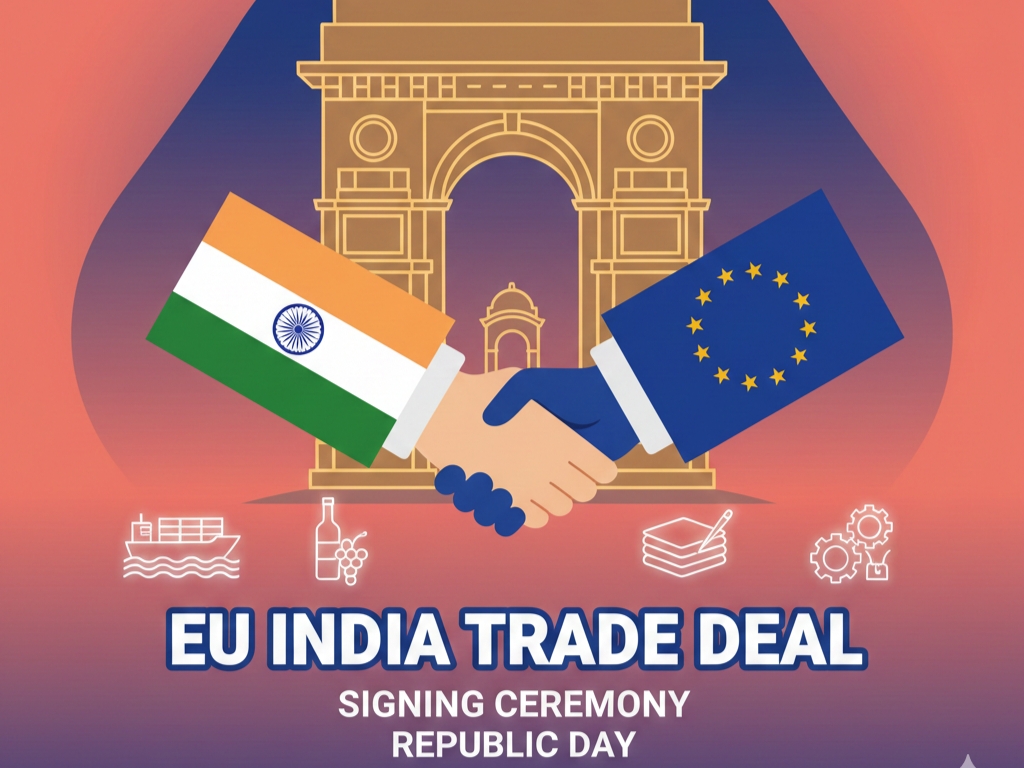
India and the European Union are on the verge of sealing a historic free trade agreement (FTA), with final negotiations "very close" to completion ahead of a high-level summit in New Delhi. Trade Secretary Rajesh Agrawal confirmed on January 15 that teams aim to wrap up talks by January 26, potentially allowing formal signing on January 27 during the India-EU Summit following Republic Day celebrations. European Commission President Ursula von der Leyen and European Council President António Costa are scheduled to join Prime Minister Narendra Modi for the ceremony, marking the EU's largest trade pact with India.
Agriculture remains entirely off the table, a key concession to shield India's farming sector where 44% of the workforce is employed. Sensitive items like dairy and sugar face no liberalization, avoiding political backlash for New Delhi, while EU protections for geographical indications on traditional foods are also excluded. However, progress includes reductions on India's 150% tariffs for European wine and spirits, balancing defensive interests.
Bilateral trade hit $136.5 billion in 2024-25, positioning the EU as India's top goods partner. The deal promises boosts for Indian exports in textiles, apparel, pharmaceuticals, gems, jewelry, and auto parts, which currently face EU tariffs of 12-16%. EU gains target higher shipments of machinery, aircraft parts, electronics, chemicals, and diamonds to India. Projections show EU exports to India could surge 107.6% to €112.5 billion by 2032 under the pact.
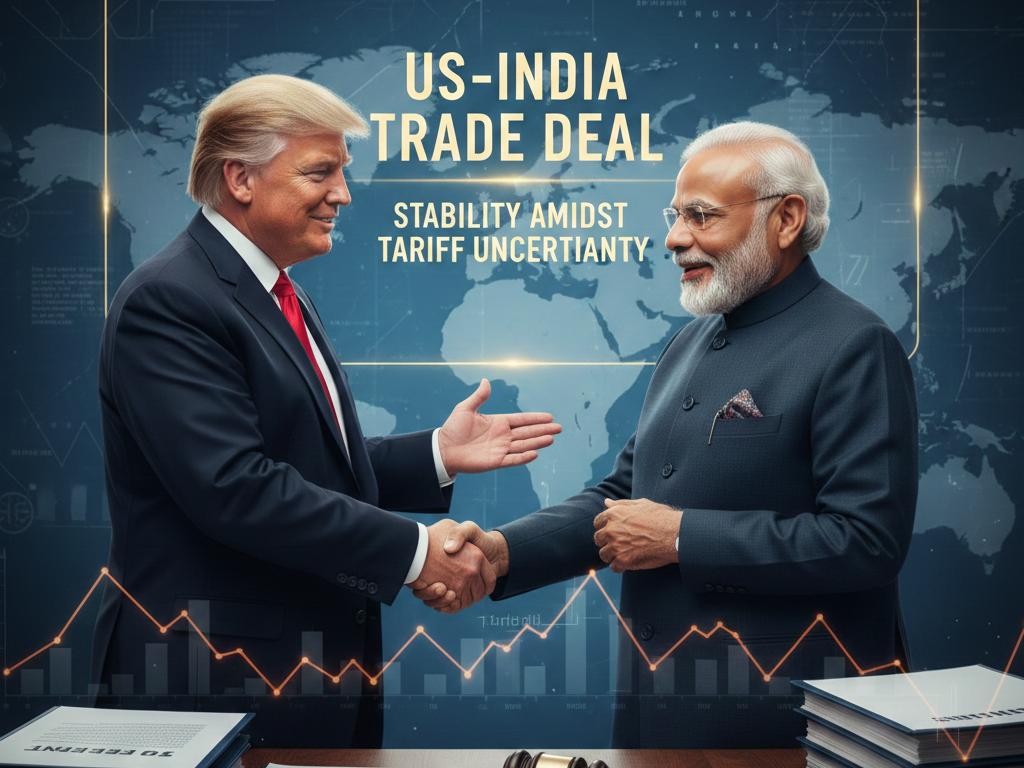
The timing aligns with global shifts, as both face US tariff hikes and aim to counter China dependencies amid Indo-Pacific tensions. European leaders view India as a "pivotal strategic partner" for diversifying trade and reinforcing rules-based order. For India, this becomes its 19th FTA, enhancing competitiveness against rivals like Bangladesh and Vietnam in EU markets. Challenges like the EU's Carbon Border Adjustment Mechanism persist but have not derailed progress.