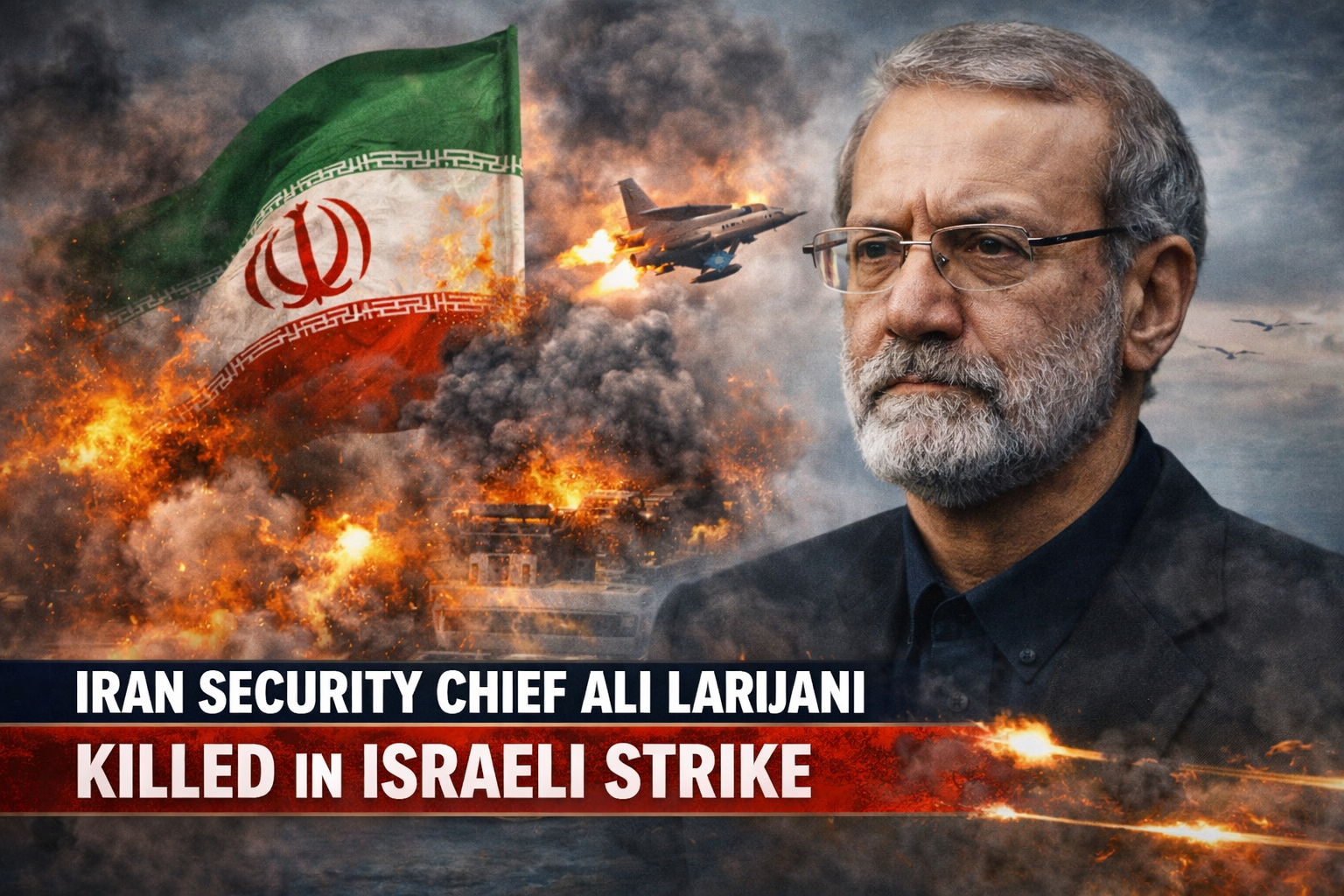
A major escalation in the ongoing Middle East conflict has emerged following Israel’s claim that it has killed one of Iran’s most influential security figures, Ali Larijani, in a targeted overnight airstrike. The reported strike, which allegedly took place in a sensitive area, marks a significant moment in the intensifying confrontation between the two regional powers.
According to Israeli officials, the operation was part of a broader military strategy aimed at weakening Iran’s leadership and security infrastructure. Larijani, a veteran politician and a key figure within Iran’s national security framework, has long played an important role in shaping the country’s defense and foreign policy. His reported death, if confirmed, could represent a substantial blow to Iran’s strategic command structure.
However, uncertainty continues to surround the incident. Iranian authorities have yet to officially confirm the death, and some early reports suggest that details of the strike and its aftermath remain unclear. The lack of confirmation has added to the confusion, with global observers closely monitoring developments for verified information.
The alleged killing highlights a growing pattern of targeted operations within the broader Iran-Israel conflict. Over recent weeks, both sides have engaged in aggressive military actions, including airstrikes, cyber operations, and strategic attacks on key installations. The targeting of high-profile individuals signals a shift toward more direct and high-stakes confrontations.
Experts warn that such actions carry a high risk of escalation. If Iran confirms the death of Larijani, it may respond with significant retaliatory measures, potentially widening the scope of the conflict. This could draw in additional regional actors and further destabilize an already volatile situation.
Beyond military implications, the development also raises concerns at the global level. Increased tensions in the Middle East often have far-reaching consequences, particularly in energy markets and international security dynamics. Governments around the world are urging restraint while preparing for possible fallout.
As the situation evolves, the international community remains on edge, awaiting clarity from Tehran and further statements from Israeli authorities. Whether this incident marks a turning point or another step in an ongoing cycle of escalation will depend largely on the responses that follow in the coming days.
"The decisions we make today will shape the world for generations to come."