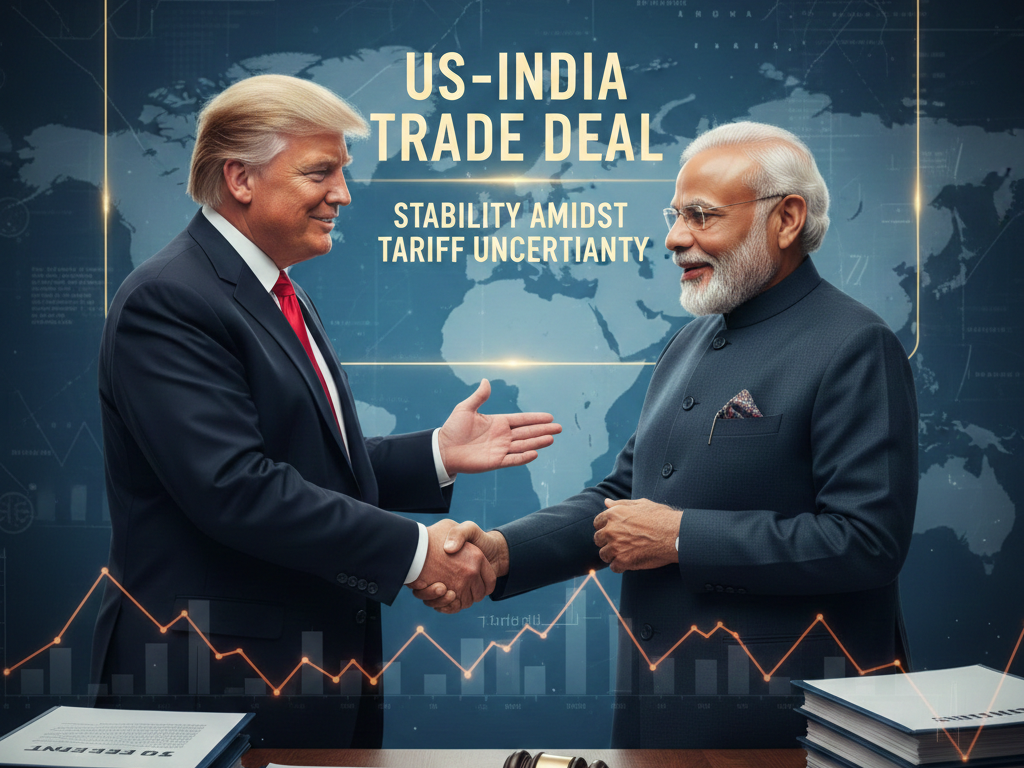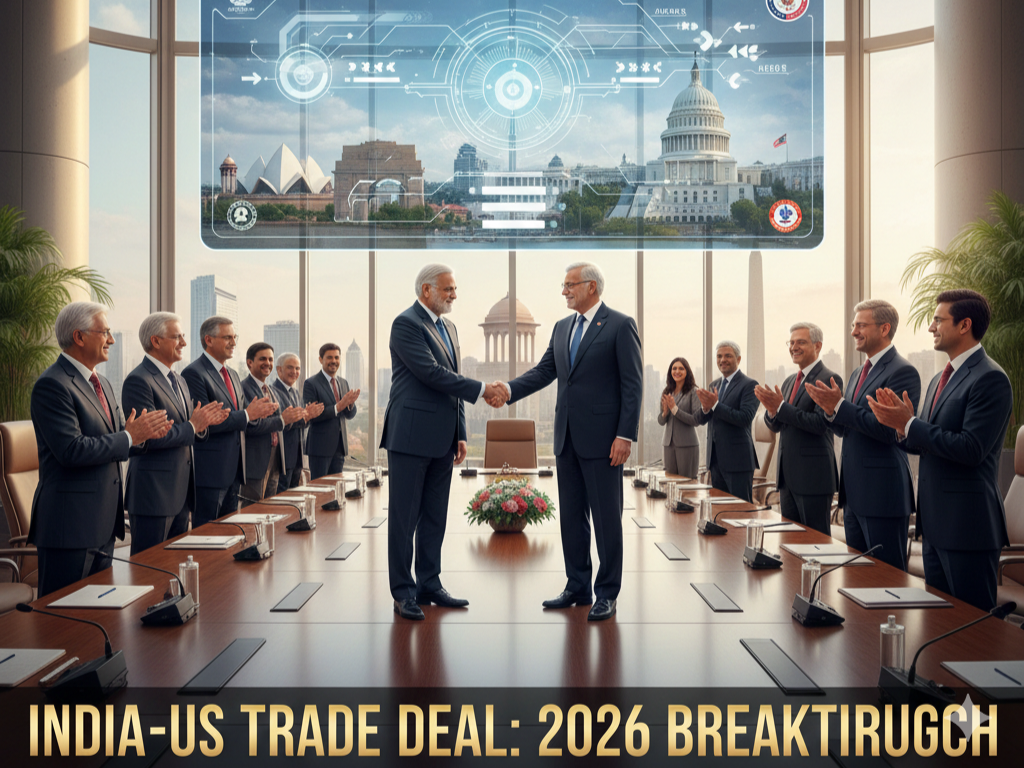
Prime Minister Narendra Modi and President Donald Trump announced a pivotal trade agreement on February 2, 2026, slashing US tariffs on Indian goods from 50% to 18% following tense negotiations. This deal marks a thaw in relations strained by punitive duties imposed in August 2025 over India's Russian oil purchases, with tariffs escalating from 25% to an additional 25% penalty.
National Security Adviser Ajit Doval's unreported early September 2025 Washington visit played a crucial role, where he firmly conveyed India would not be bullied and urged dialing down public acrimony to resume talks. This came after Modi's meetings with Putin and Xi at the SCO summit, signaling India's multi-aligned stance amid US pressure. Trump called Modi on his September 16 birthday, praising him, leading to four more talks by year-end that paved the way for de-escalation
Parliamentary Defense and Strategic Gains
Commerce Minister Piyush Goyal defended the pact in Lok Sabha on February 4, 2026, highlighting safeguards for agriculture and dairy after a year of negotiations starting post-Modi's February 2025 US visit. At 18%, India's tariff is lower than rivals like Pakistan and Vietnam (19-20%), boosting textiles, seafood, and chemicals exports while securing US capital, tech, and military ties against China toward India's 2047 developed economy goal.[ from conversation]Deal Terms and Commitments
Trump's announcement tied the tariff cut to India halting Russian oil imports, eliminating non-tariff barriers, and pledging "Buy American" with up to $500 billion in US energy, tech, agriculture, and coal purchases. Modi's X response acknowledged the 18% tariff relief and praised Trump's leadership for global stability, omitting specifics on oil or commitments. New Delhi views Trump as a short-term "blip" in long-term strategic calculus.
"The decisions we make today will shape the world for generations to come."