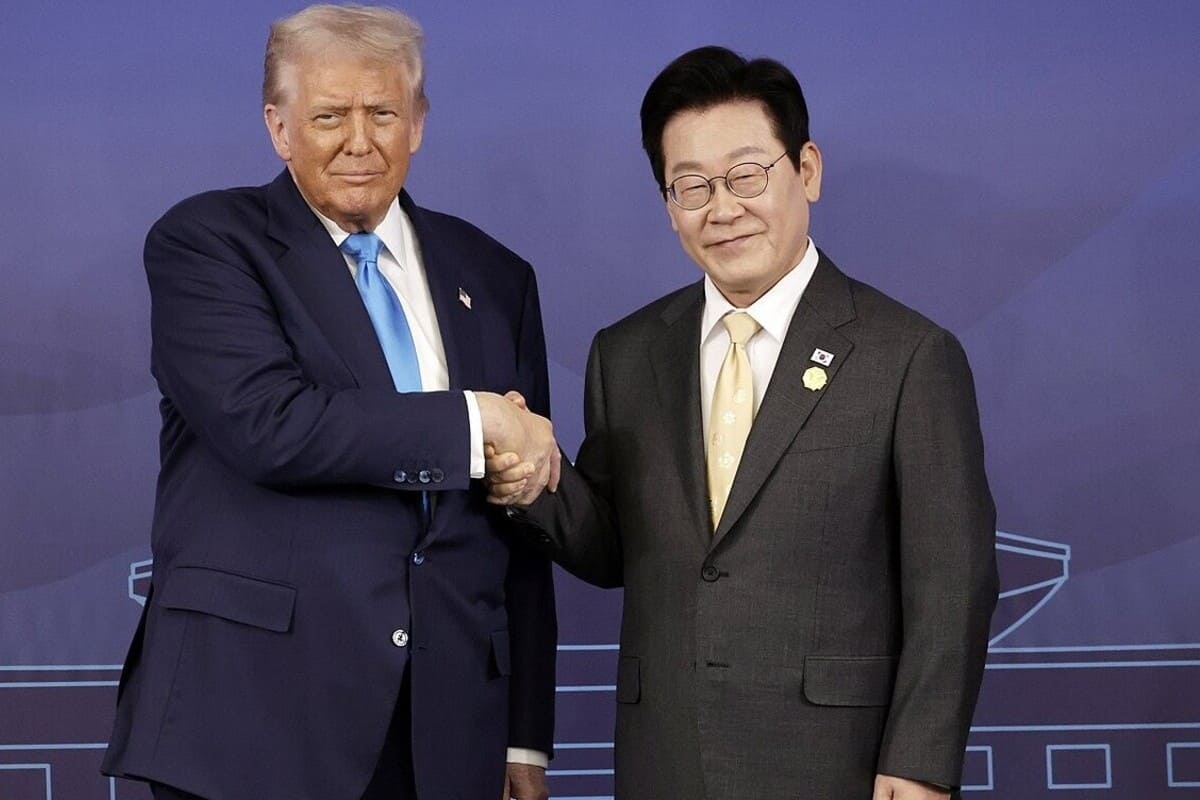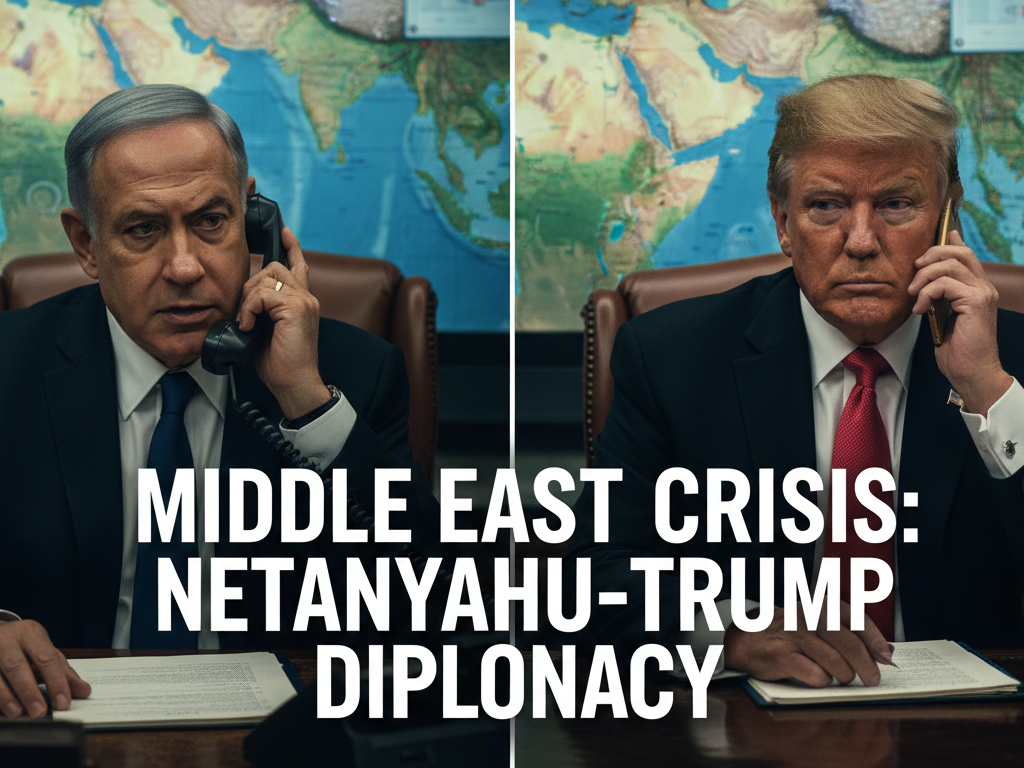
Israeli Prime Minister Benjamin Netanyahu held multiple phone calls with U.S. President Donald Trump this week, requesting a delay on any potential military strikes against Iran to allow Israel time to bolster its defenses against possible retaliation. Netanyahu's appeal came amid a brutal crackdown on widespread protests in Iran, where verified deaths have reached at least 3,428, though estimates suggest the toll could exceed 12,000 due to an internet blackout imposed since January 8. Trump cited Iran's reported halt of over 800 executions as a key factor in his decision to pause action, stating he reached the conclusion independently.
Diplomatic Efforts Escalate
Steve Witkoff, White House envoy, emphasized a preference for diplomacy during a speech at the Israeli-American Council conference, outlining conditions for any deal including curbs on Iran's nuclear enrichment, missile stockpiles, enriched uranium removal, and proxy support cessation. Russian President Vladimir Putin offered mediation after calls with Netanyahu and Iranian President Masoud Pezeshkian, adding another layer to the high-stakes talks. Mossad Director David Barnea arrived in the U.S. for consultations, potentially meeting Witkoff and possibly Trump at Mar-a-Lago.
Military Posture Remains Tense
The Pentagon redeployed a carrier strike group from the South China Sea to the Middle East, signaling both deterrence and expanded options for Trump despite the diplomatic overtures. Israeli defense systems remain strained following a 12-day war with Iran in June, complicating preparations for any escalation. While protests have forced Tehran to reclassify detainees as "rioters" or "saboteurs" to justify harsh measures, international condemnation grows, with Netanyahu expressing quiet support for demonstrators without direct intervention to avoid bolstering Iran's foreign interference narrative.
Strategic Calculations
Israel's cautious stance reflects concerns that overt involvement could discredit protesters and unify Iran against external foes, as noted by officials who prioritize a defensive posture over provocative actions. Trump's rhetoric, including assurances that "help is on the way" for protesters, hints at neo-conservative pressures, though he has stalled on immediate strikes after signaling them to allies earlier in the week. Analysts warn that despite the current lull, a U.S.-led strike remains possible in coming days, with Netanyahu's request buying critical preparation time.
"The decisions we make today will shape the world for generations to come."