A Sudden Stock Market Shock
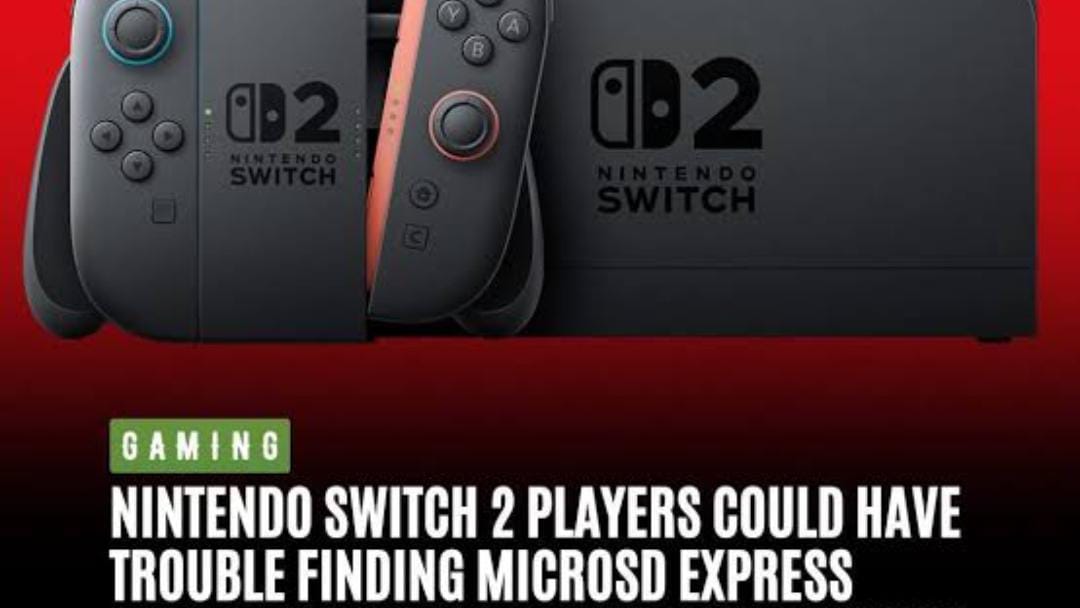
Nintendo — one of the most iconic names in video games — saw its share price plunge by 10 % in Tokyo trading, marking one of the steepest declines in recent months. The drop comes as investors digest the company’s latest quarterly results and grapple with mounting concerns over rising memory chip prices, which threaten to squeeze profit margins on its flagship hardware, the Nintendo Switch 2 console.
While the company reported strong unit sales for its new console during the year-end holiday season, the market reaction highlights a growing unease about future profitability, momentum in software releases, and broader supply-chain pressures — especially tied to memory shortages affecting the tech sector globally.
Why Shares Slid: The Memory Supply Crunch
The Root of Investor Anxiety
At the heart of the share slump is a supply-chain issue that has rippled throughout the technology industry — a global memory shortage. Demand for DRAM and NAND flash memory chips has surged dramatically in recent times, largely driven by artificial intelligence (AI) infrastructure, data centers, and cloud computing needs. The shift in manufacturing priorities toward high-bandwidth memory for AI systems has strained the supply of general-purpose memory used in consumer products like game consoles.
For Nintendo, this shortage is more than a logistical hiccup — it’s a margin challenge. Reports indicate that the 12 GB DRAM modules used in the Switch 2 increased in price by approximately 41 % in just one quarter, and NAND flash storage (used for internal storage and removable cards) also rose around 8 %.
Why Memory Costs Matter
Memory chips are a key component of modern gaming consoles. For the Switch 2 — Nintendo’s newest hardware, launched in June 2025 — memory contributes significantly to the overall bill of materials (BOM). Sharp increases in memory prices translate into:
Higher manufacturing costs per unit, squeezing margins.
Potential pressure on pricing strategy if Nintendo elects to pass costs on to consumers.
Investor concerns about lower profitability in fiscal years ahead.
When memory prices rise rapidly, companies typically have three choices:
1. Absorb the increased cost and accept thinner margins;
2. Raise the retail price of the finished product;
3. Reduce memory content — which could affect performance or consumer appeal.
Investors worry that Nintendo may have limited flexibility, especially so early in the life of a new console generation.
Market Response: A Closer Look at the Numbers
Stock Drop in Context
According to Reuters and financial data services, Nintendo’s shares dropped as much as 10 % in Tokyo trading following the latest earnings release and the release of commentary from analysts.
This decline came even though Nintendo reported robust year-end sales for the Switch 2 — including strong holiday unit momentum that, under normal expectations, would be viewed positively. The share price reaction suggests that investors were looking for more aggressive guidance or clearer plans to manage rising manufacturing costs and competitive pressures.
Historical Volatility
The stock’s recent slide is part of a broader trend. Nintendo’s share price has been under pressure since late 2025, sliding from highs reached on optimism about the Switch 2 launch and future growth. Memory cost concerns amplified this trend, contributing to periods where the stock dropped significantly — losing several billions in market capitalization over a short period.
Overall, the recent 10 % drop represents the biggest single-day fall since earlier in the year and underlines growing skepticism from investors regarding Nintendo’s near-term trajectory.
Business Fundamentals: Sales Growth vs. Margin Pressures
Switch 2 Is Selling — But At What Cost?
Despite the stock reaction, the underlying business data shows a more nuanced reality:
Nintendo’s Switch 2 sold around 17.4 million units over nine months, approaching its full-year target of 19 million units.
Revenue and net profit for the fiscal period increased significantly, bolstered by hardware demand.
This suggests that consumer demand remains strong. However, investors fear that sustaining momentum requires not just initial sales but ongoing software and ecosystem strength — including blockbuster game releases that can keep long-term engagement high. A perceived lack of high-profile titles on the roadmap has also contributed to cautious sentiment.
Margins Under Pressure
Even though Nintendo has reaffirmed its annual operating profit forecasts and believes near-term earnings won’t be significantly hit by memory cost increases, analysts warn that persistent price rises could compress future profitability.
Margins are a critical measure for hardware companies, especially those like Nintendo that traditionally sell consoles at modest profits and rely on software and digital services for significant margin contributions. Higher memory costs could reduce hardware profitability, potentially reshaping Nintendo’s financial profile.
Strategic Responses: What Nintendo Is Doing
Supplier Negotiations and Stockpile Strategies
Nintendo executives are publicly downplaying the short-term impact of memory price surges, emphasizing long-term supplier negotiations and inventory strategies. According to reports, the company is engaging in ongoing discussions with memory suppliers to ensure supply stability and manage cost volatility.
So far, Nintendo has not announced any plans to raise the Switch 2 retail price, but that remains a key battleground issue. Analysts estimate that once Nintendo’s fixed-price contracts run out or stockpiles are depleted, price increases of 10–15 % or more may be needed to preserve margins.
Product and Market Positioning
Nintendo’s broader approach to sustaining console momentum includes:
Leveraging its iconic game franchises to keep consumer interest high.
Exploring additional hardware variants (e.g., new colors or configurations) to diversify appeal.
Maintaining a robust software pipeline, including anticipated titles that could drive long-term engagement.
These strategic moves aim to stabilize investor confidence while weathering memory supply headwinds.
Broader Industry Context: Memory and Tech Supply Chains
The issues facing Nintendo aren’t isolated. The global memory shortage affecting DRAM and NAND production is part of a larger 2024–2026 semiconductor shift, where AI-related demand has pulled capacity away from consumer electronics. This shortage has seen memory prices spike significantly and is expected to persist through 2026 and potentially beyond if production capacity doesn’t expand rapidly.
Other consumer electronics makers, including PC and smartphone manufacturers, are also navigating similar cost pressures — some already raising retail prices or re-evaluating production plans. For Nintendo, which competes in a price-sensitive market, these external pressures are especially consequential.
What This Means for Investors and Gamers
For Investors
- The recent sell-off reflects market fear about margin erosion, not necessarily weakness in demand.
- Long-term investors may see this as a valuation reset — particularly if hardware costs eventually stabilize.
- The stock’s sensitivity to external cost pressures highlights the importance of supply-chain management in hardware sectors.
For Gamers and Consumers
- If Nintendo passes on cost increases, consumers could face higher retail prices for consoles and accessories.
- Alternatively, Nintendo’s strategy of absorbing costs could lead to slimmer profits but more stable pricing.
- Game and software ecosystems remain strong, but the long-term success of Switch 2 will likely hinge on big title releases and ongoing support.
A Critical Moment for Nintendo
Nintendo’s 10 % share price decline is a stark reminder of how external supply-chain dynamics — particularly memory shortages — can influence market sentiment and corporate strategy. While strong Switch 2 sales demonstrate enduring consumer demand, investors are watching closely to see if rising component costs and uncertain software momentum will dampen long-term profitability.
As the global memory market continues to evolve, Nintendo’s ability to navigate these pressures — through supplier deals, strategic pricing, and software excellence — will be key to regaining investor confidence and sustaining growth through the next console generation.
"The decisions we make today will shape the world for generations to come."