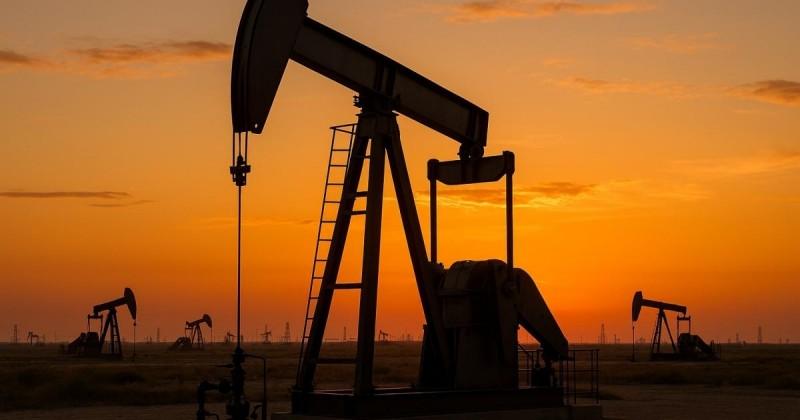
Oil prices are in freefall. Brent crude has dropped roughly 17 percent in four sessions and is trading near the low $90s. The speed of the collapse is striking because no formal deal has been signed and no ceasefire is in force. Traders simply decided the direction of travel points toward de-escalation and stopped waiting for confirmation.
JPMorgan’s latest assessment explains why the move has been so decisive. The bank found a 1.4 million barrel per day global surplus in October even while the conflict remained active. Middle East oil exports have quietly recovered to around 20.7 million barrels per day from a March low of 9.8 million. The recovery is uneven and still below pre-war levels, but the trend is clear: more barrels are moving again. Latin American production has also added roughly 1.5 million barrels per day year-on-year. At the same time, elevated prices and earlier disruptions cut global demand by an estimated 3.3 million barrels per day.
The result is a market that has shifted from perceived shortage back into surplus. The price above $100 was carrying a heavy conflict premium rather than reflecting pure supply-demand balance. Once that premium began to unwind, the correction was swift.
For India the implications cut both ways. Cheaper crude eases the import bill, supports the rupee, and reduces pressure on inflation and the current account. Domestic markets have already responded, with rate-sensitive and consumption-linked stocks leading the recent rally. Yet the episode also highlights a deeper vulnerability. India’s energy security remains heavily dependent on global price swings driven by geopolitics far beyond New Delhi’s control. Policy has focused on tactical responses — strategic reserves, diplomatic outreach, and occasional price interventions — while structural progress on domestic production, refining efficiency, and demand management has been slower than the rhetoric suggests.
When prices spike, households and industry feel the pain immediately. When they collapse, the government claims credit for stability. In reality, both the spike and the crash have been driven by external forces that domestic policy has done little to shape. The current freefall is welcome relief on the inflation front, but it also serves as a reminder that India’s energy destiny is still largely written in trading rooms and conflict zones rather than in coherent long-term planning at home.
Traders have already priced the de-escalation. The question is whether policymakers will treat the lower oil price as temporary breathing room or as another missed opportunity to build genuine resilience.
Disclaimer
This article is for informational purposes only and does not constitute investment advice. Past performance is not indicative of future results. Readers should conduct their own research or consult a qualified financial advisor before making any investment decisions.
Official Sources
JPMorgan commodity research notes reported via Reuters and related coverage (November 2026); market price data for Brent crude; Middle East export flow assessments.