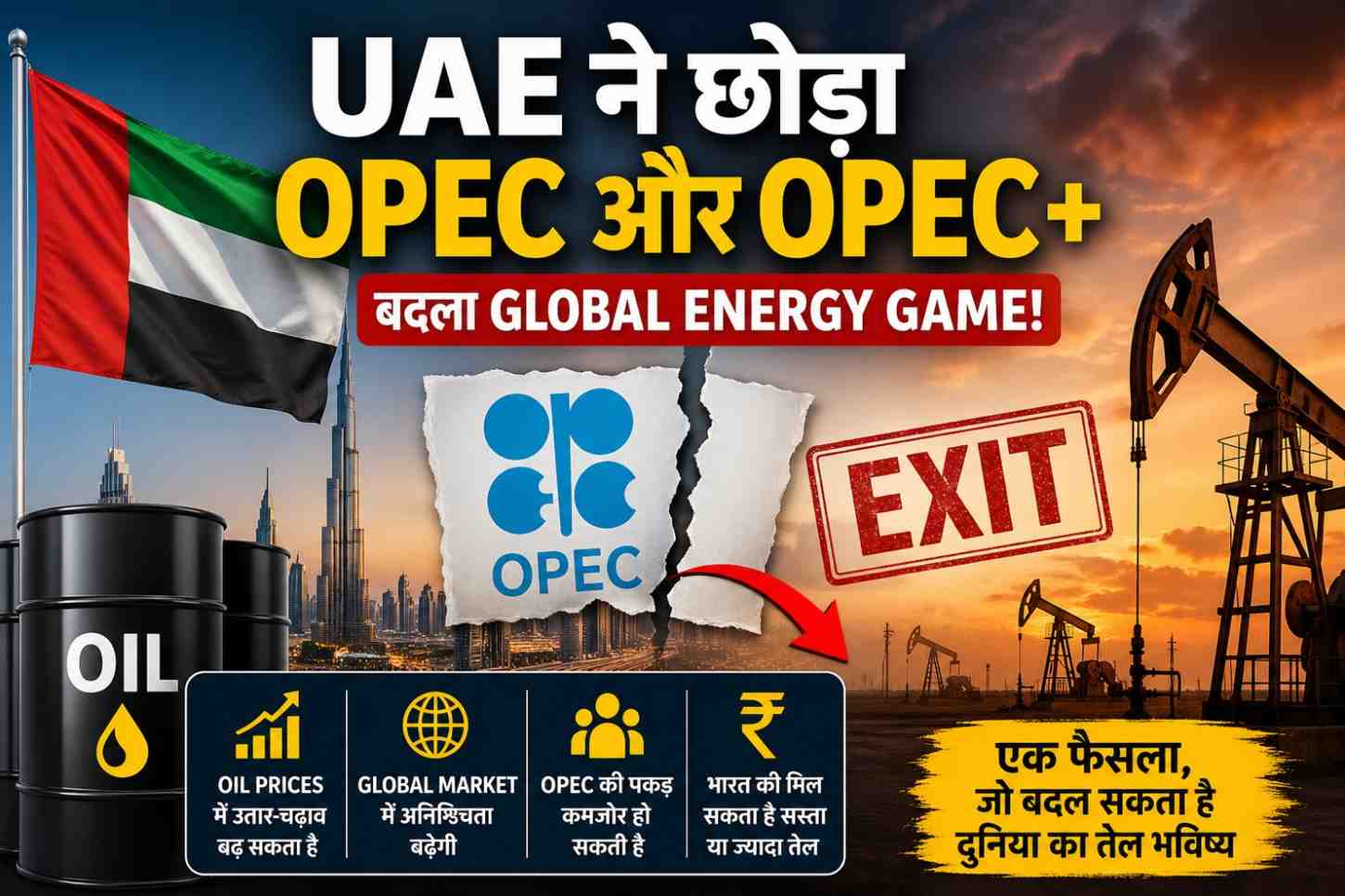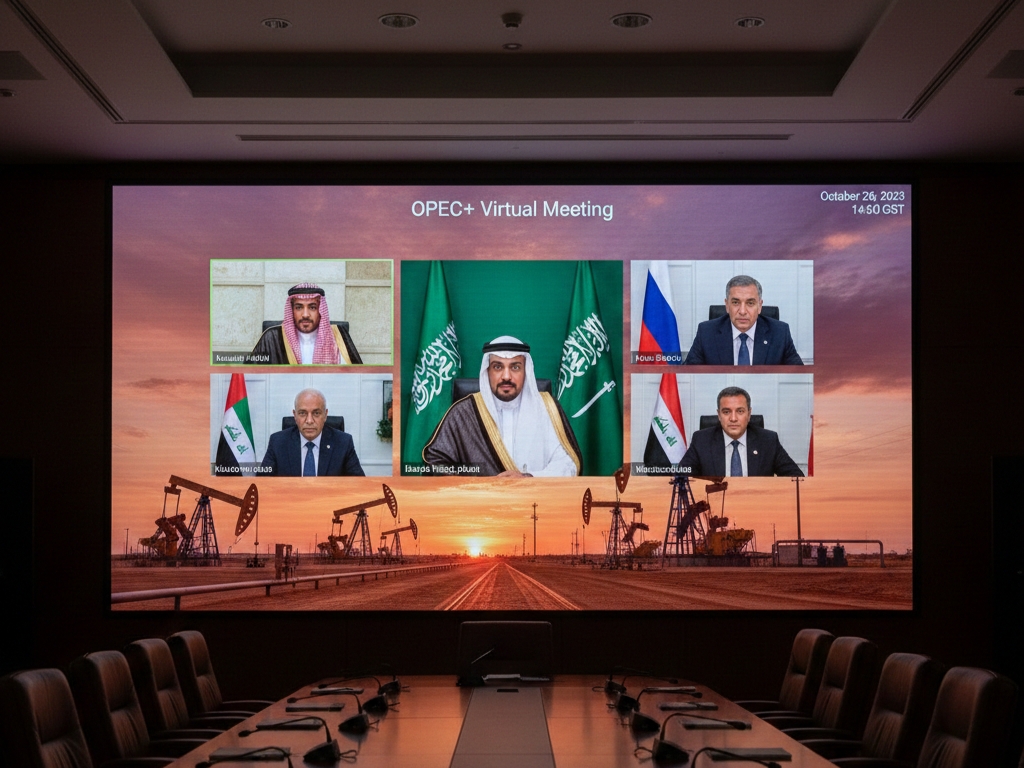
OPEC+ has decided to keep oil production unchanged through the first quarter of 2026, opting to extend its existing pause on supply increases despite dramatic political upheaval in Venezuela and widening rifts among key Gulf producers. The move underscores the group’s focus on market stability at a time when crude prices remain under pressure after an estimated 18% slide in 2025, with Brent trading just under 61 dollars a barrel and West Texas Intermediate around 57 dollars heading into the New Year.
Eight core members currently implementing voluntary cuts—Saudi Arabia, Russia, the United Arab Emirates, Iraq, Kuwait, Kazakhstan, Algeria and Oman—reaffirmed in recent days that they will hold output steady from January to March, citing seasonal demand weakness and signs of a looming supply surplus. Before this pause, the group had been gradually restoring part of the 3.85 million barrels per day of supply it removed from the market since 2023, but ministers signalled that any remaining volumes will stay offline at least through the end of the first quarter.
The surprise U.S. operation that led to the capture of Venezuelan President Nicolás Maduro has thrust one of the world’s most resource‑rich oil nations back into the center of energy market debates. Venezuela claims more than 300 billion barrels of proven reserves—more than any other country—but years of underinvestment, sanctions and mismanagement have left actual production stuck near 1 million barrels per day, or less than 1% of global output.
Analysts caution that Venezuela’s immediate impact on global supply will be modest, even if U.S. sanctions are eased and Western oil companies return aggressively. Consultancy estimates and shipping data suggest current output is in the 0.8–1 million barrels per day range, with room to raise production by perhaps 150,000 barrels per day over the next few months if new licenses and capital are unlocked More ambitious scenarios—such as a recovery toward 2 million barrels daily—would require massive reforms, legal clarity and tens of billions of dollars in fresh investment over several years, while projections of 4 million barrels a day or more are viewed as a decade‑long undertaking at best.
For OPEC+, that means Venezuela remains more of a medium‑term wildcard than an immediate game‑changer for 2026 balances. Delegates say it would be premature to adjust production policy around Caracas until there is clarity on the new political framework, the pace of infrastructure repairs, and how quickly international partners are willing to commit capital to the country’s aging fields and upgraders.
The latest OPEC+ meeting unfolded against an unusually public quarrel between Saudi Arabia and the UAE linked to shifting front lines in Yemen, where Emirati‑backed Southern Transitional Council forces have seized swathes of territory in the south and east. In response, Saudi officials backed the Yemeni government’s demand that Emirati forces leave the country and described the situation as the most serious intra‑Gulf Cooperation Council crisis since the 2017–2021 dispute with Qatar.
Regional media and analysts report that Saudi warplanes recently struck a shipment the kingdom said contained Emirati weapons destined for allied militias in eastern Yemen, prompting an emergency diplomatic backlash. While the UAE denies arming separatists beyond prior commitments and has agreed to reposition or withdraw some units, experts warn that its entrenched influence through local proxies will persist even if its formal troop presence diminishes.
Despite these tensions, both Riyadh and Abu Dhabi lined up behind the decision to maintain the current production stance, signalling a shared interest in supporting prices and avoiding fresh volatility in an already fragile market. Energy strategists note that open fragmentation inside OPEC+ would risk reigniting a price war similar to the 2020 collapse, so Gulf rivals have strong incentives to compartmentalise geopolitical disputes while preserving coordination on oil policy.
In the near term, traders will be watching three variables: the durability of the OPEC+ unity line, the speed and shape of any sanctions relief on Venezuelan barrels, and signs of demand strength from major consumers such as China, India and the United States. If prices slide further or demand disappoints, the alliance could extend voluntary cuts into the second quarter, whereas a sharp rebound or faster‑than‑expected Venezuelan recovery might revive debates over when to gradually unwind the remaining withheld barrels.