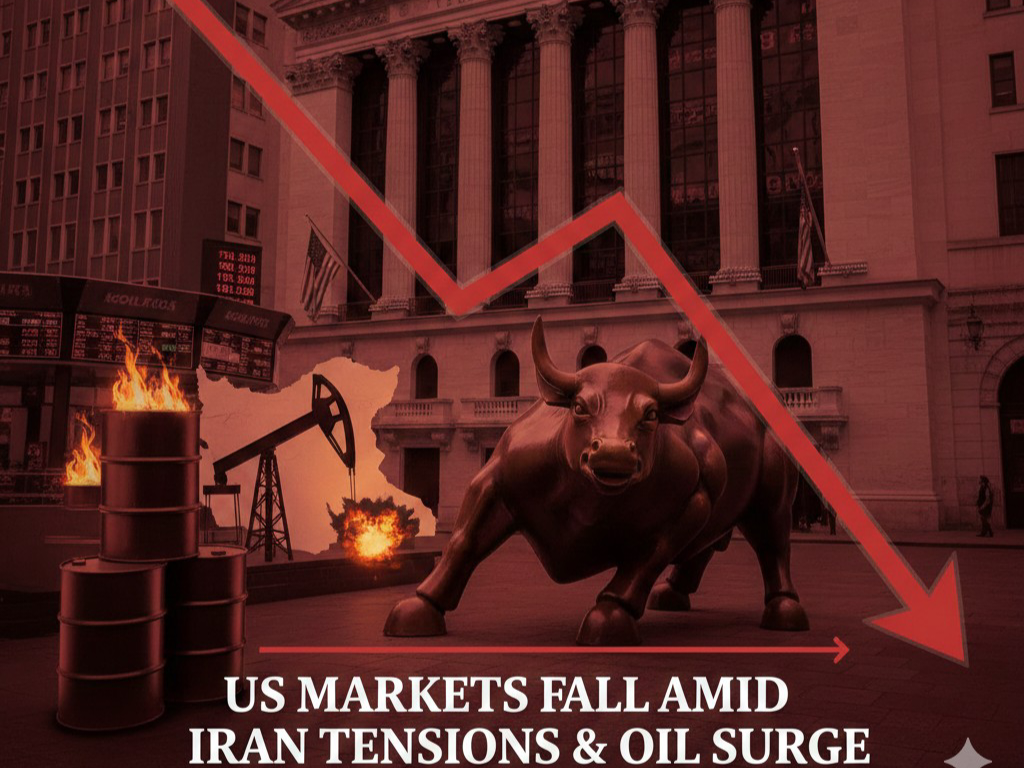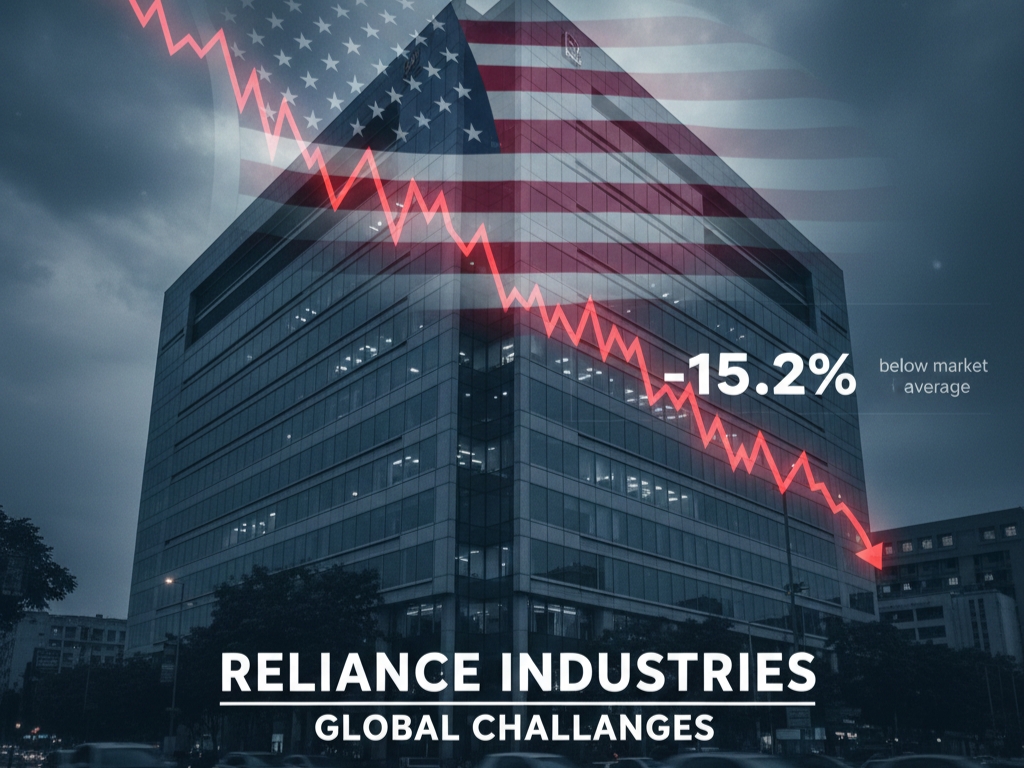
Reliance Industries shares have plunged nearly 8% over four consecutive sessions through January 9, 2026, erasing about $15 billion in market value as US tariff threats on Russian oil buyers spooked investors. The stock closed at around Rs 1,470 on January 9, down from a January 5 peak of Rs 1,611, dragging market cap to Rs 19.89 lakh crore and weighing on benchmark indices.
US Sanctions Bill Triggers Panic
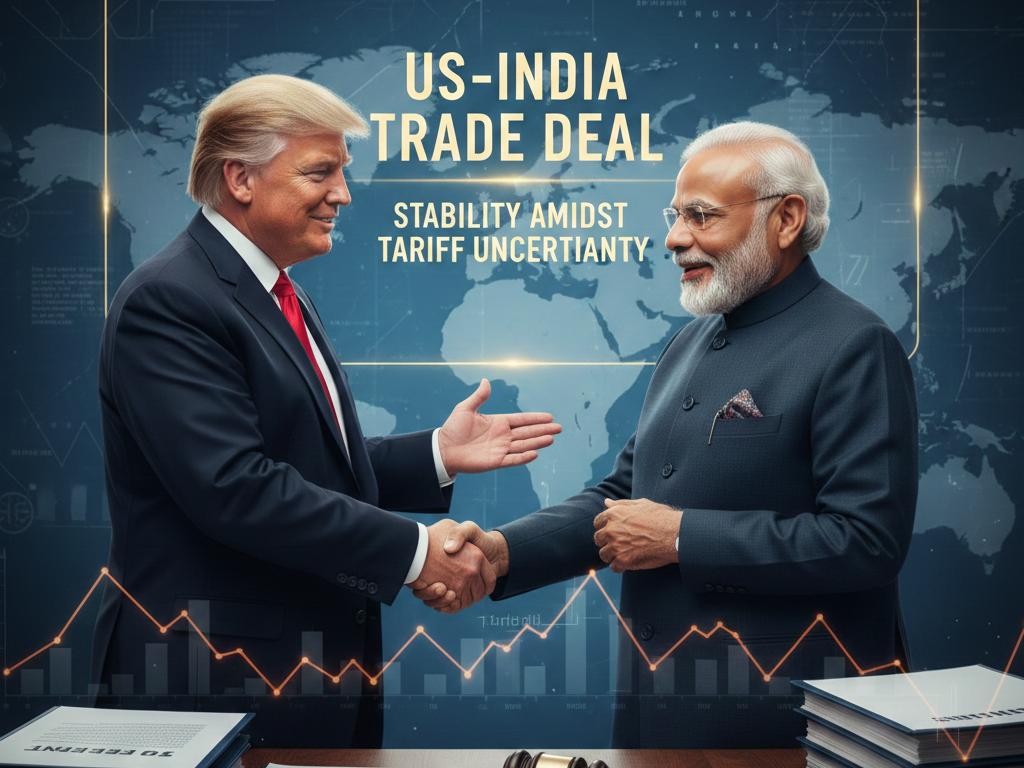
US Senator Lindsey Graham announced on January 7 that President Trump greenlit a bipartisan bill imposing up to 500% tariffs on nations like India buying Russian oil, aiming to curb Moscow's war funding. A Bloomberg report claimed three Russian crude vessels headed to Reliance's Jamnagar refinery, but the company denied receiving any Russian oil in three weeks and expects none in January .
Retail Sector Adds Pressure
Weak Q3 outlooks from peers like Trent (17% revenue growth vs. 20% expected) and Avenue Supermarts fueled fears for Reliance's retail arm amid sluggish discretionary spending . Goldman Sachs anticipates moderated retail growth but strong refining margins to offset it through 2027.
| Segment | Expected Q3 Outlook | Key Drivers |
| Retail | Moderated growth | Weak spending, base effects |
| Refining | Strong performance | Tight markets, crude differentials |
| Overall Earnings | Stable | Energy offsets consumer weakness |
Analysts Bullish Despite Volatility
Goldman Sachs raised its target to Rs 1,835 (25% upside) with "Conviction Buy," citing refining strength; 35 of 37 analysts rate "Buy" . Q3 FY26 results due January 16 could provide clarity on diversification across energy, telecom, and retail. Investors eye new energy updates amid geopolitical risks.