The Weight of a Legacy: Reinvigorating an Eternal Question
In 1997, J.P. Dutta’s Border did more than just document the Battle of Longewala; it gave a voice to the silent agony of the Indian soldier through "Sandese Aate Hain." The refrain of "Ghar kab aaoge?" (When will you come home?) became a permanent fixture in the Indian psyche—a song played at every Republic Day parade, every railway station farewell, and every household waiting for a loved one in uniform.
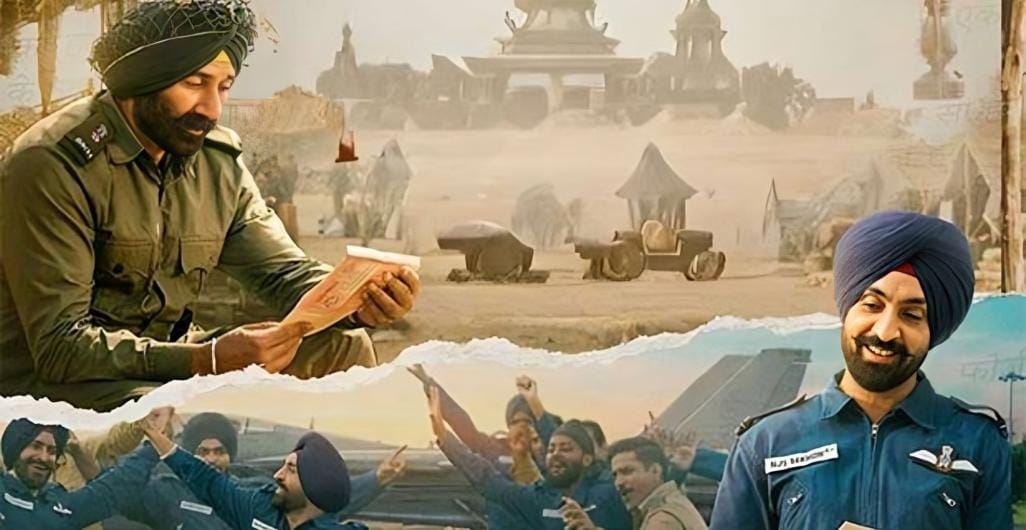
As Border 2 marches toward its release in 2026, the announcement of a spiritual or direct successor to this track has sent ripples through the industry. The song "Ghar Kab Aaoge" is not just a musical composition; it is a heavy-duty emotional bridge connecting the nostalgia of the 90s with the contemporary geopolitical realities of today. It serves as a reminder that while military technology evolves, the human cost of vigilance remains constant.
The Lyrical Architecture of Longing
At its core, "Ghar Kab Aaoge" functions as a poetic inquiry into the concept of duty versus domesticity. Professional songwriting in this genre requires a delicate balance—it must be patriotic without being jingoistic, and sentimental without being melodramatic.
1. The Domestic Imagery
The power of the lyrics lies in the "smallness" of the details. While the soldier deals with "big" things—tanks, borders, and ammunition—the song focuses on the "small" things waiting at home:
The fading paint on the front door.
The aging mother’s failing eyesight.
The child who has outgrown the shoes his father last saw him in.
These images ground the high-stakes world of combat in the relatable reality of the middle-class Indian household. It transforms the "Soldier" from a distant hero into a brother, a son, and a father.
2. The Personification of the Land
The song often personifies the village or the soil itself. The earth is not just dirt; it is a mother who is also asking for her son's return. This dual loyalty—to the Motherland (the nation) and the Mother (the home)—creates the central tension that gives the song its narrative thrust.
Musical Composition: Merging Melancholy with Grandeur
To match the scale of Border 2, the musical arrangement of "Ghar Kab Aaoge" must perform a difficult "sonic handshake" between the past and the present.
The Use of Folk Instruments
To evoke the rugged terrain of the border, the composition utilizes traditional instruments:
- The Sarangi and Flute: These carry the "cry" of the song, mimicking the human voice’s lament.
- The Dhol and Heavy Percussion: Introduced in the crescendo, these represent the heartbeat of the nation and the impending call to duty.
The Vocal Choice
The success of such a track hinges on vocal texture. It requires a singer who can convey "tharaav" (stillness) and "pukaar" (a call). Whether it is the return of a veteran like Sonu Nigam or the inclusion of a contemporary powerhouse, the delivery must feel lived-in. The listener needs to believe that the singer has felt the cold of the Himalayan winds and the heat of the Thar desert.
The Cultural Significance in 2026
Why does a song about "coming home" matter so much in the mid-2020s? The answer lies in the changing nature of connection.
In an era of instant video calls and high-speed internet, one might assume the "wait" for a soldier has been mitigated. However, "Ghar Kab Aaoge" argues the opposite. It posits that digital presence is no substitute for physical absence. The song taps into the universal truth that no matter how many pixels we see on a screen, the empty chair at the dinner table remains empty.
"A soldier's greatest sacrifice isn't just the life they give on the field, but the life they miss at home."
- Table: The Evolution of the "Waiting" Theme
- Professional Impact: The Marketing Power of Nostalgia
From a film industry perspective, "Ghar Kab Aaoge" is the ultimate "hook." In a crowded market of high-octane action thrillers, an emotional ballad serves as a strategic differentiator.
- Generational Appeal: It brings in the older demographic who watched the original Border in theaters, while the modernized production values attract Gen Z.
- Social Media Longevity: The song’s relatability makes it prime material for tribute videos and short-form content, ensuring the film remains in the public consciousness long after the trailer drop.
- Institutional Respect: These songs often become unofficial anthems for the armed forces, providing the film with a layer of prestige and authenticity that money cannot buy.
The Psychological Toll of the "Border"
Professional psychologists often cite "ambiguous loss" when discussing military families—the feeling of a loved one being physically absent but psychologically present. "Ghar Kab Aaoge" is the musical manifestation of this state.
It validates the struggle of the family. Often, patriotic cinema focuses solely on the man with the gun. This song pivots the lens toward the woman with the prayer beads or the father with the newspaper. By doing so, it broadens the definition of "service" to include those who wait.
More Than Just a Melody
"Ghar Kab Aaoge" in Border 2 is destined to be more than a chartbuster. It is a cultural check-in. It asks us to pause and consider the human infrastructure that maintains our national boundaries. It reminds us that every "Hero" we celebrate is also a "Missing Piece" in a family puzzle back home.
As the final notes of the song fade, they leave the listener with a sense of profound gratitude and a lingering heartache. It proves that while borders divide nations, the universal desire for a loved one’s return is what truly unites us.