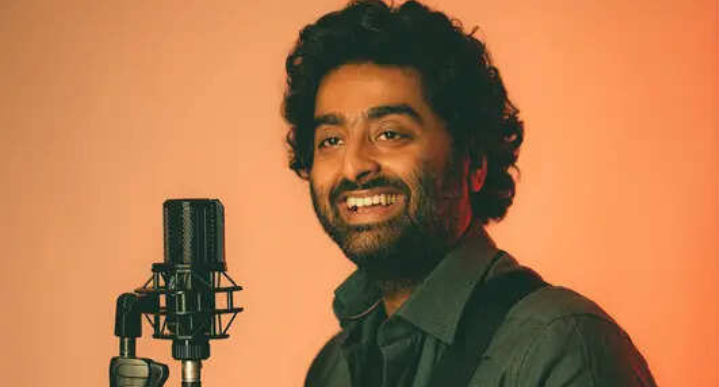
The Indian music industry stood still this week as Arijit Singh, arguably the most influential playback singer of the 21st century, announced his retirement from film playback singing. At just 38, while at the absolute zenith of his career, Singh shared via a series of heartfelt social media posts that he will no longer be accepting new assignments as a playback vocalist.
While the news sent shockwaves through Bollywood—an industry that has relied on his soulful baritone to anchor its biggest blockbusters for over a decade—the decision appears to be less of a "goodbye" and more of a "homecoming" to his musical roots.
A Decision Rooted in Creative Restlessness
In his candid explanation, Arijit cited a "creative restlessness" and a tendency to get bored with the repetitive nature of commercial playback. For an artist who has dominated the charts since his 2013 breakout with Tum Hi Ho, the transition represents a courageous pivot toward personal growth.
The "Boredom" Factor: Arijit admitted that he often alters arrangements during live shows because he thrives on variety—something the rigid structure of film playback doesn't always allow.
Independent Aspirations: He expressed a desire to return to Indian Classical Music and explore the "Indie" space as a "small little artist," free from the commercial pressures of film production houses.
Creating Space: In a gesture of rare humility, he noted his eagerness to hear new voices and hopes his exit will allow fresh talent to find their footing in the industry.
The Legacy of a Decade
Since 2011, Arijit Singh has been more than just a singer; he has been the emotional soundtrack for millions. With two National Film Awards and a Padma Shri (awarded in 2025), his impact is quantifiable, yet his true legacy lies in the "Arijit Era"—a period where a single voice could bridge the gap between Sufi-inflected ballads and high-energy pop.
What’s Next for the Artist?
Fans can find solace in the fact that Arijit is not quitting music entirely. He has confirmed he will fulfill his pending commitments (meaning we will still hear a few "new" releases in 2026) and will continue to perform live concerts and tours.
His departure marks the end of a specific chapter in Bollywood history, but it signals the beginning of a potentially more experimental, independent phase for the artist. As he retreats to his home in Jiaganj to focus on his own compositions and classical training, the industry is left to wonder: who will fill the silence left by the man who sang the soul of a nation?
"The decisions we make today will shape the world for generations to come."