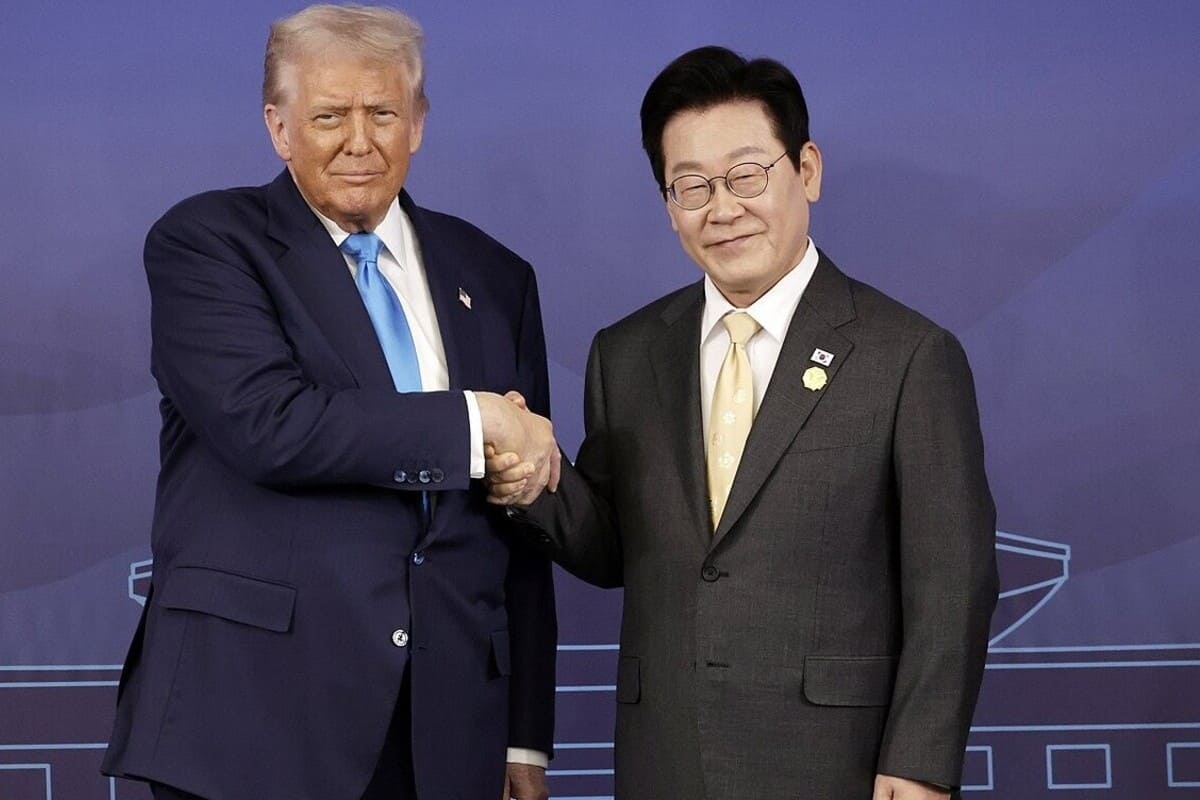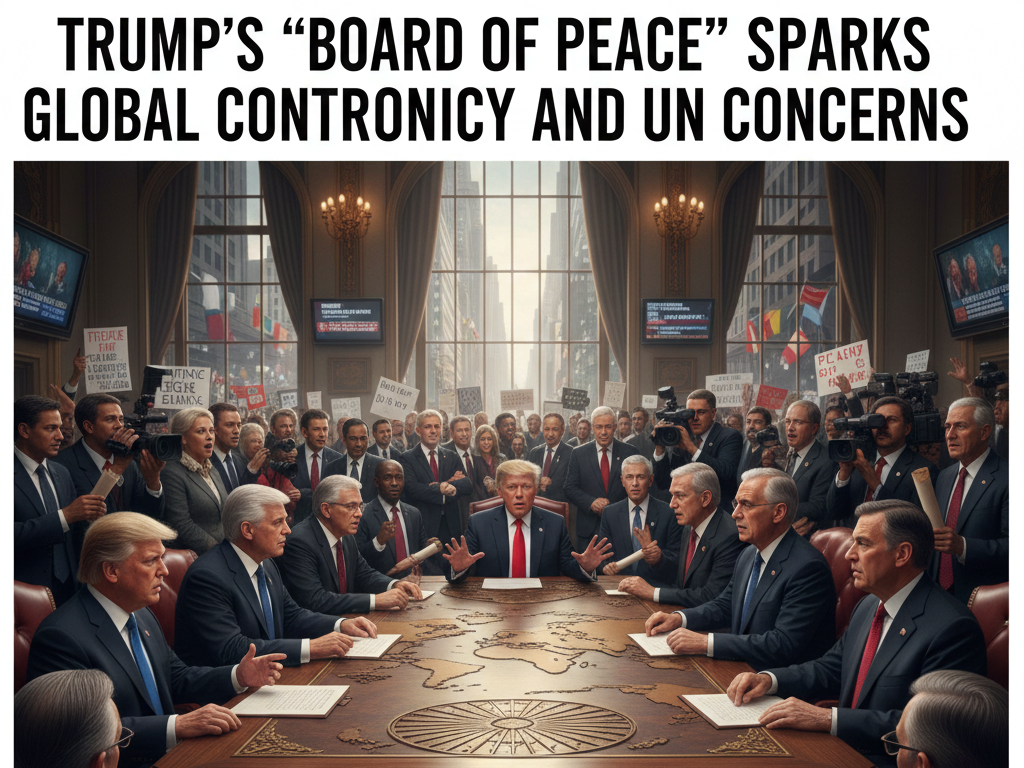
U.S. President Donald Trump's Board of Peace, initially designed to oversee the Gaza ceasefire, has transformed into a bold global conflict-resolution body with sweeping powers vested in Trump as lifelong chairman. As leaders converge at the World Economic Forum in Davos, Switzerland, for a signing ceremony on Thursday, January 22, 2026, the initiative divides nations between supporters embracing pragmatic peace efforts and critics fearing erosion of the UN-led world order.
Origins and Rapid Expansion
The board originated in phase two of the Gaza peace plan, endorsed by the UN Security Council for Gaza operations until 2027. Its 11-page charter omits any Gaza reference, positioning the organization to "promote stability, restore dependable governance, and secure enduring peace" worldwide through decisive action. Trump remarked Tuesday that the board "might" replace the UN, which he claims "has never lived up to its potential," prompting widespread debate on the UN's future role.
Charter Grants Unprecedented Chairman Powers
The draft charter, reviewed by major outlets, installs Trump as inaugural chairman without term limits or removal except by voluntary resignation or unanimous executive board vote declaring incapacity. He holds sole authority to invite or expel members, break tie votes, set agendas, form subsidiaries, dissolve bodies, and name his successor, with all major decisions requiring his veto-proof approval. Member states serve three-year terms, gaining permanent status by contributing over $1 billion in their first year; founding executives include Secretary of State Marco Rubio, Jared Kushner, envoy Steve Witkoff, and Tony Blair.
Supporters Embrace Pragmatic Approach
U.S. envoy Steve Witkoff announced Wednesday that 20-25 countries from 50 invited have committed, projecting 30 participants overall. Eight key Muslim nations—Saudi Arabia, Turkey, Egypt, Qatar, Jordan, Indonesia, Pakistan, and UAE—issued a joint statement affirming participation, prioritizing regional stability. Israel, under Benjamin Netanyahu, reversed objections to Turkey's inclusion; other joiners span Hungary, Belarus, Armenia, Azerbaijan, Morocco, Vietnam, Kazakhstan, Uzbekistan, Argentina, and Kosovo, plus recent additions like Bahrain.
Western Allies Voice Strong Objections
France, Norway, Sweden, Slovenia, Denmark, and Germany rejected invitations, with French Foreign Minister Jean-Noël Barrot backing the Gaza plan but opposing any UN replacement. Trump retaliated by threatening 200% tariffs on French wines and champagnes. China, invited but unconfirmed, vows to uphold the "UN at its core" system; Russia studies details without commitment.
UN Downplays Threat Amid Expert Alarms
UN Deputy Spokesperson Farhan Haq stressed the board's Gaza-specific Security Council mandate and the UN's history of coexisting with parallel groups over 80 years. Cambridge law professor Marc Weller labeled it "a direct assault on the United Nations," insisting global peace demands broad consensus impossible under one individual's dominance. As the Davos ceremony approaches today, the board tests post-WWII norms amid invitations still extending to undecided powers.
"The decisions we make today will shape the world for generations to come."