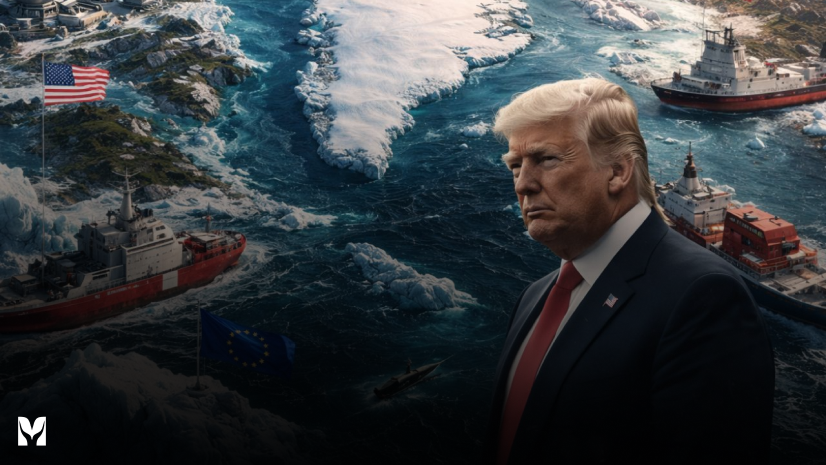
In a riveting interview that's sending shockwaves through global corridors of power, U.S. Commerce Secretary Christopher Wright pulls back the curtain on President Donald Trump's most audacious move yet: the push to acquire Greenland. This isn't just about expanding U.S. territory—it's a high-stakes chess game for Arctic supremacy, missile defense, and thwarting Chinese and Russian ambitions. As tensions boil over with Denmark and the European Union, Wright defends the plan as a "bold, unbreakable shield" for American security, while hinting at behind-the-scenes diplomacy to cool the flames.
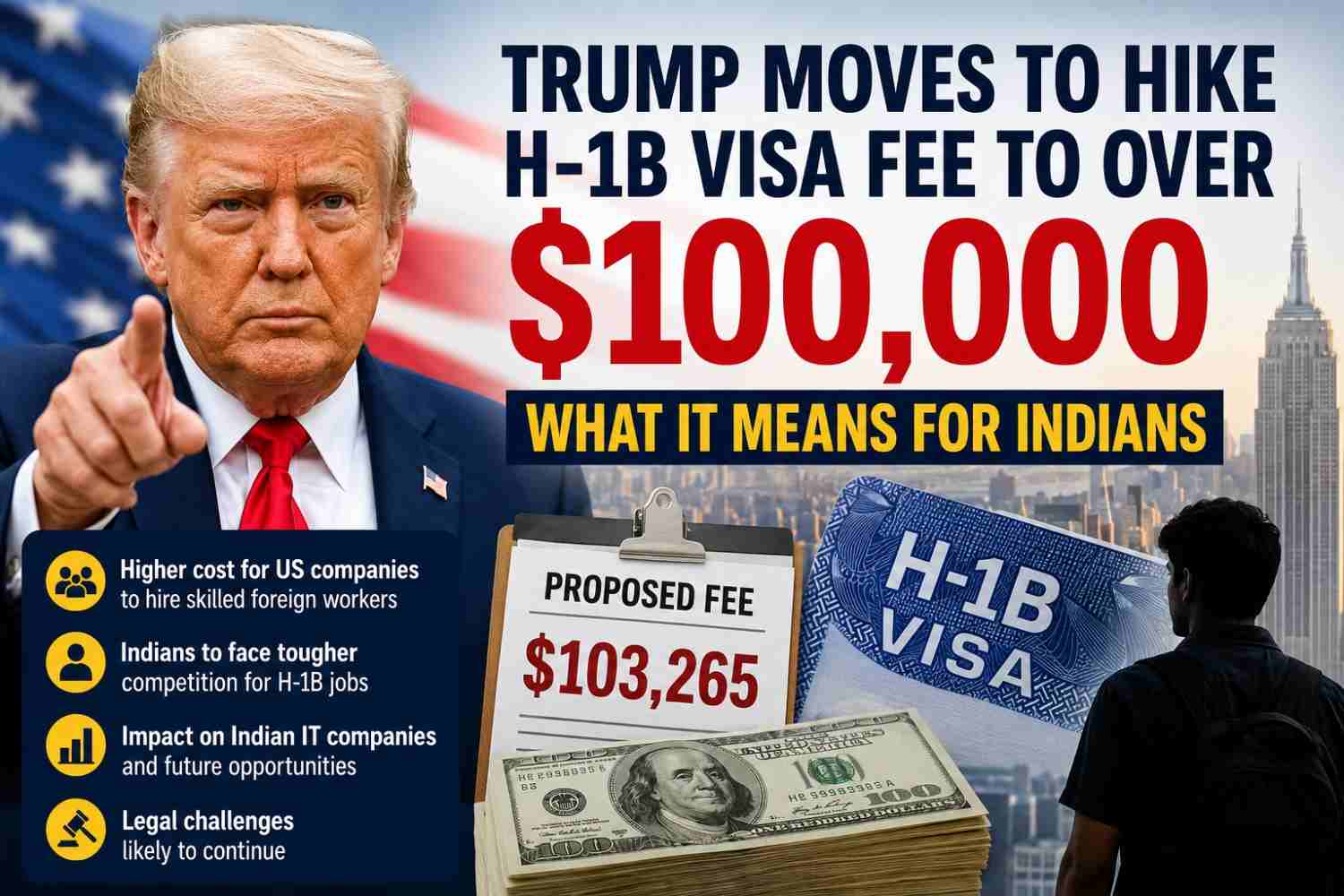
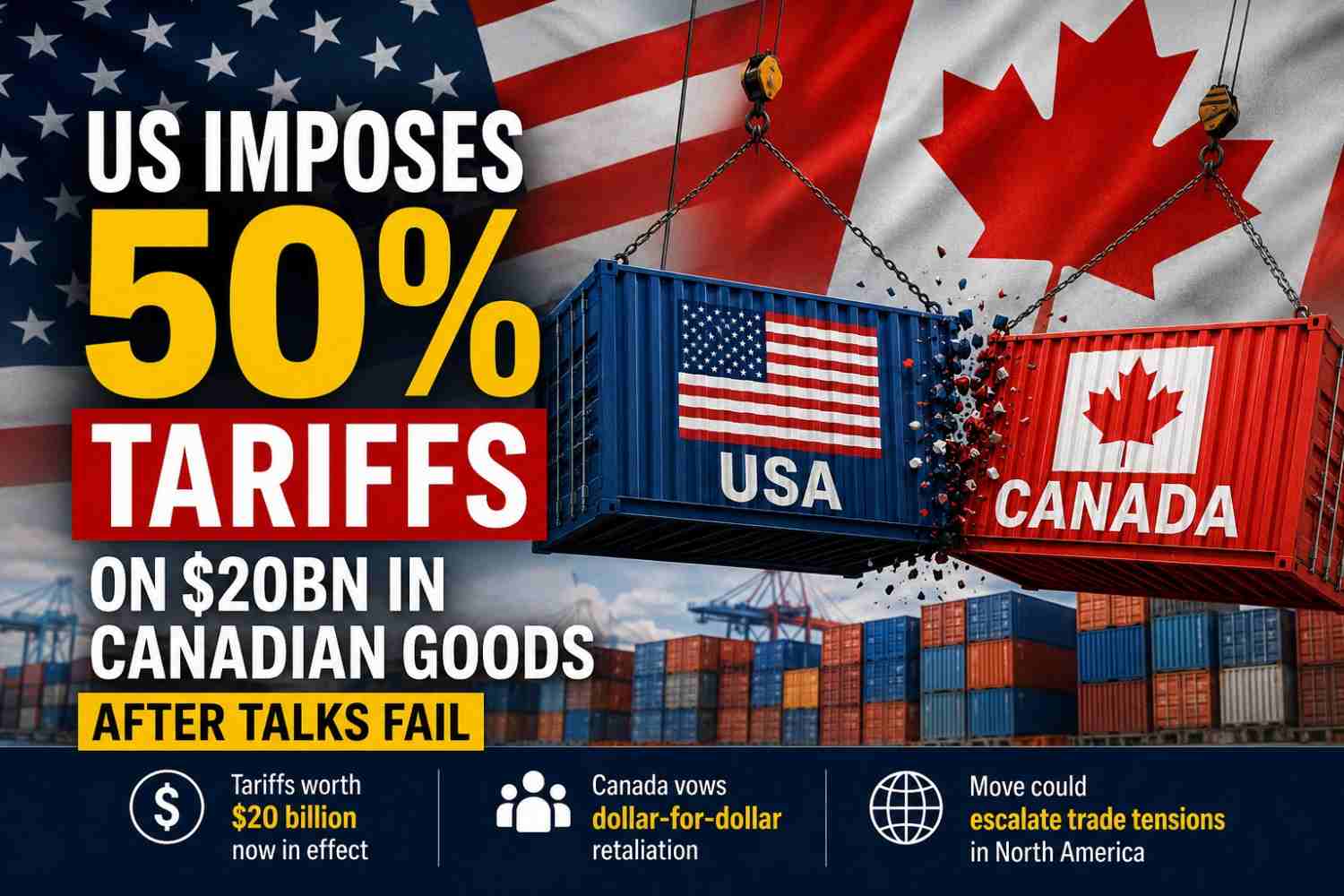
But Greenland is just the tip of the iceberg. The discussion dives deep into the brewing U.S.-EU trade storm, where Brussels is threatening a "trade bazooka" retaliation, including dumping U.S. Treasury bonds. Wright, ever the optimist, insists a win-win deal is on the horizon, emphasizing Trump's tariff tactics under Section 232 as essential weapons in America's trade arsenal. With a Supreme Court showdown looming over the legality of these emergency tariffs, Wright attended the hearings and bets big on victory, warning that losing this fight could cripple U.S. defenses against unfair global practices.
Shifting gears to tech dominance, Wright spotlights the semiconductor revolution underway. In a landmark U.S.-Taiwan deal, $50 billion is pouring into American chip plants, supercharged by an expanded CHIPS Act that's unlocked over $250 billion in total investments. "We're rebuilding America's industrial might," Wright declares, slamming past offshoring as a betrayal of workers. This isn't charity—it's smart business, exemplified by the government's 10% equity stake in Intel for a $10 billion incentive. Call it "free market capitalism with a patriotic twist," where taxpayers get returns while securing supply chains for robots, drones, and defense tech.
National security alarms are blaring louder over dependencies like Chinese-made drones in U.S. operations. A urgent policy review is in motion to purge these risks, echoing lessons from the COVID-19 era on pharmaceuticals and medical supplies. Wright's message is clear: America first means bringing it all home—jobs, innovation, and control.
On the economic front, the numbers are staggering and set to skyrocket. Wright predicts Q1 2026 growth blasting past 5%, fueled by a tsunami of investments: $19 trillion under Trump's watch, including $550 billion from Japan for power grids and data centers, $200 billion from South Korea, $150 billion for shipbuilding, and a whopping $500 billion from Taiwan. These aren't just dollars—they're blueprints for lower energy costs, revived manufacturing, and unbreakable infrastructure.
Wrapping up with unfiltered passion, Wright gushes about his role in Trump's orbit, prioritizing American workers and earning rare bipartisan nods from unions like the UAW. This isn't politics as usual; it's a full-throttle resurgence. As Trump steers the ship, the U.S. isn't just recovering—it's dominating. But with Greenland gambits and trade brinkmanship, is the world ready for America's unapologetic comeback? Only time—and perhaps a Supreme Court gavel—will tell.
"The decisions we make today will shape the world for generations to come."