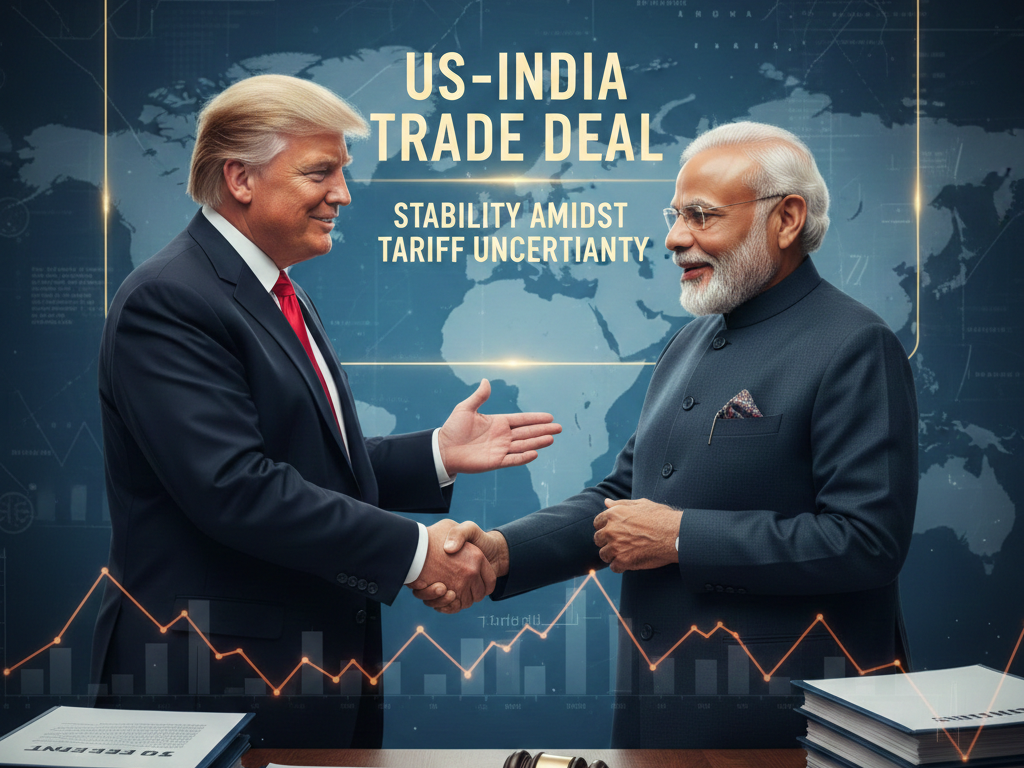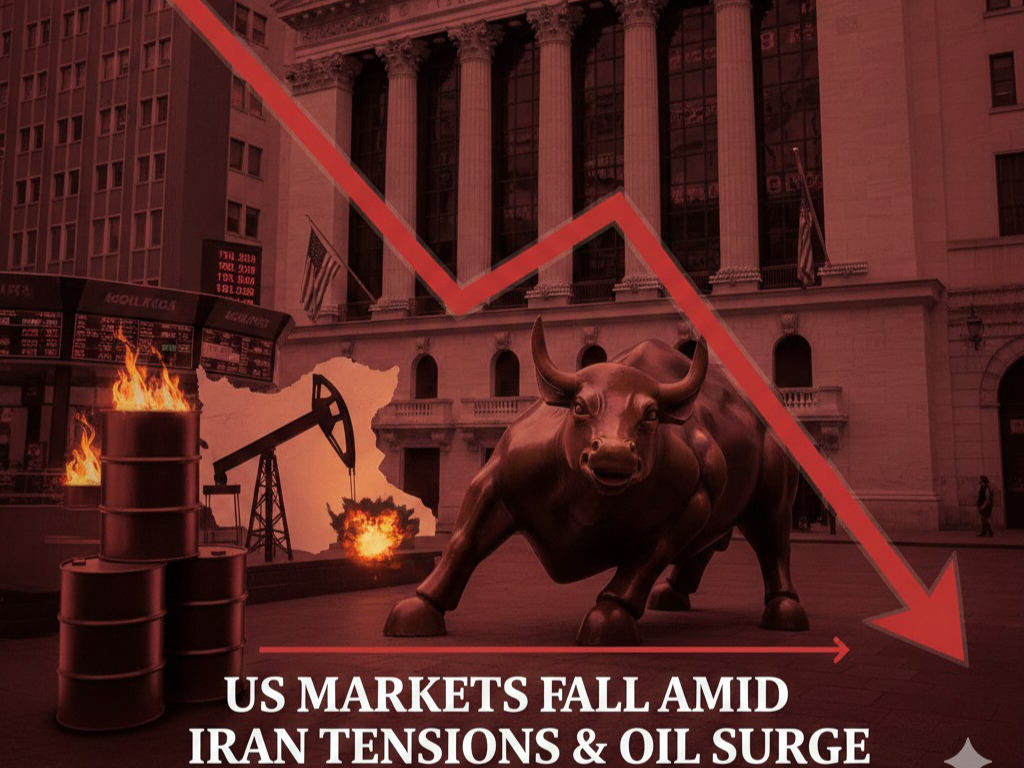
President Donald Trump's aggressive tariff policies are accelerating a global realignment, pushing traditional US allies toward closer economic partnerships with China. Recent deals, including Canada-China tariff reductions and the EU-Mercosur free trade agreement, signal a direct response to US unpredictability. These moves come as Trump announced 10% tariffs on eight European NATO allies over Greenland disputes, escalating tensions.
Canada Breaks Ranks with Landmark China Deal
Canadian Prime Minister Mark Carney's Beijing visit yielded a "landmark" trade pact, slashing Canada's EV tariffs from 100% to 6.1% for 49,000 vehicles yearly. China reciprocated by cutting canola tariffs from 84% to 15% by March 1, plus eliminating duties on lobster, crab, and peas, and enabling visa-free Canadian travel. Carney noted the China tie is now "more predictable than our relationship with the US," per trade expert Edward Alden.
EU-Mercosur Pact Creates Massive Trade Zone
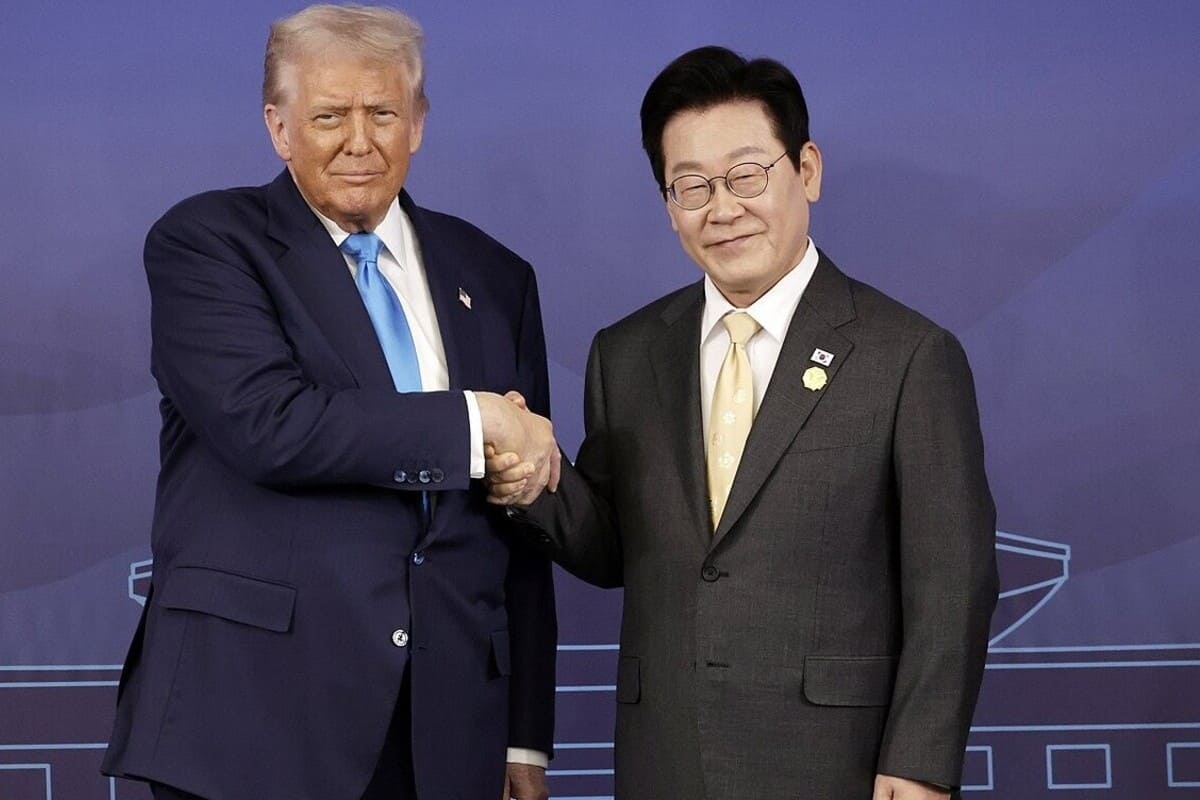
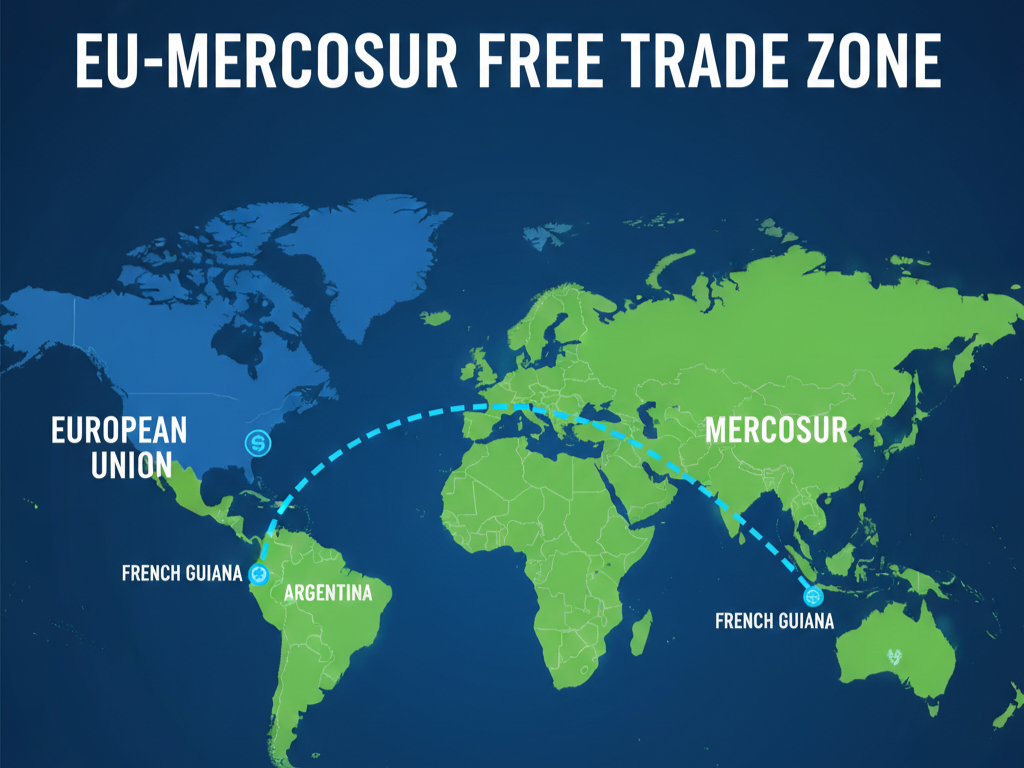
The EU and Mercosur finalized their delayed agreement in Paraguay, forming a 700-million-person free trade bloc hailed by Ursula von der Leyen as a stand against tariffs. Agathe Demarais called it the optimal counter to US protectionism. Meanwhile, South Korea's Lee Jae-myung visited Beijing to restore ties, UK PM Keir Starmer plans a China trip this month, and Germany's Friedrich Merz eyes February.
China Fills the Vacuum with Record Surplus
China's 2025 trade surplus hit $1.19 trillion, up 20% despite a 20% US export drop, fueled by surges to Africa (26%), Southeast Asia (13%), EU (8%), and Latin America (7%). Expert Zongyuan Zoe Liu warns of China's leverage tactics mirroring US risks to allies. Trump's NATO tariffs, rising to 25% in June, have European diplomats fearing a transatlantic "breaking point."
"The decisions we make today will shape the world for generations to come."