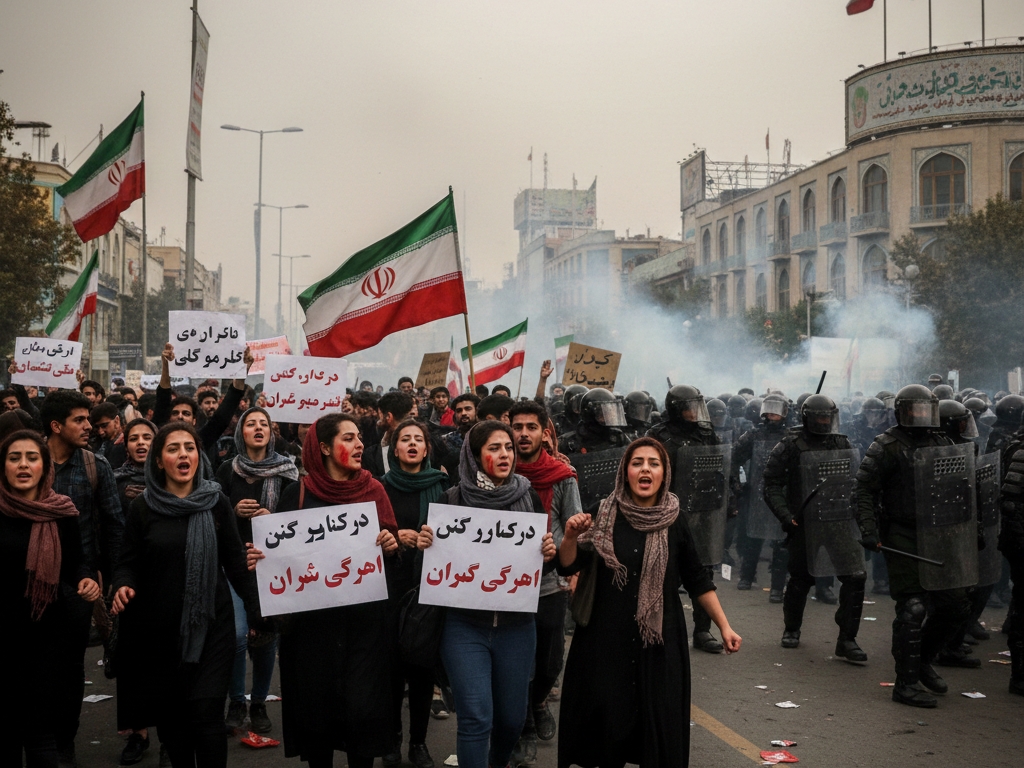
Protests ignited across Iran on December 28, 2025, sparked by the rial's collapse, rampant inflation, and food price surges, drawing massive crowds in major cities. Security forces unleashed a ferocious response, including live fire, beatings, and an extended internet blackout, silencing streets by mid-January 2026. Rights groups like HRANA documented at least 2,571-2,677 deaths, encompassing protesters, bystanders, children, and even personnel, with fears of higher tolls due to blackouts.
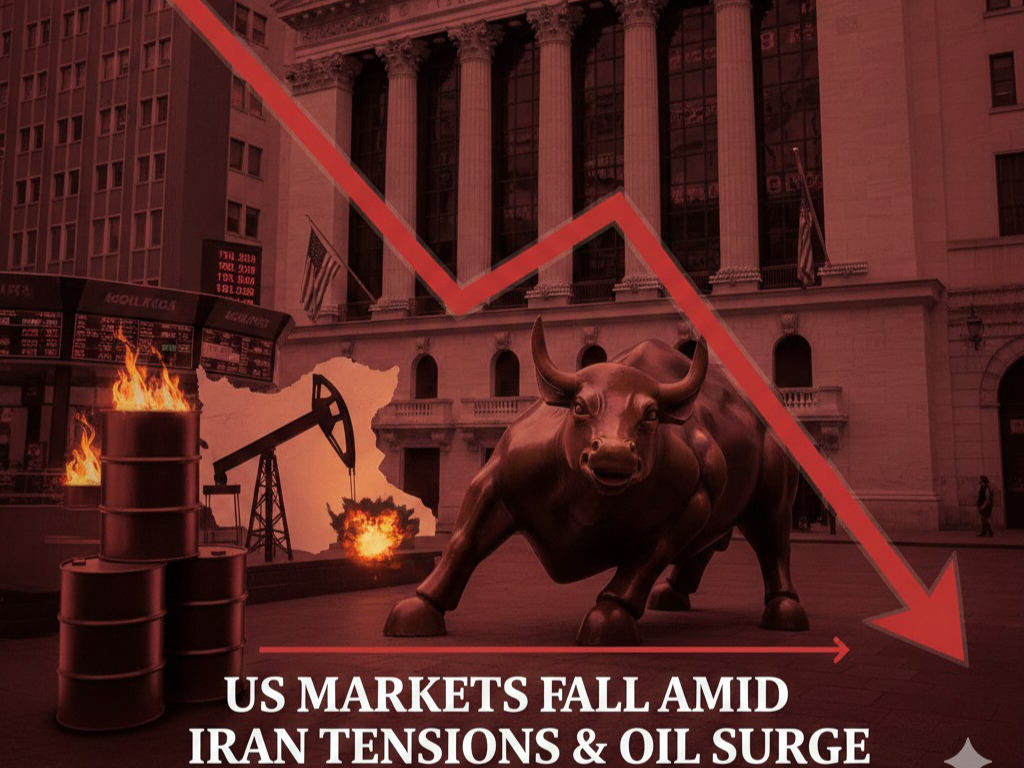
President Donald Trump, reelected in 2024, swiftly condemned the violence, threatening "very strong action" and posting that "help is on the way" for brave protesters. He urged Iranians to "take over your institutions" amid reports of 800 planned executions, prompting Pentagon moves like redirecting the USS Abraham Lincoln carrier group to the region. By week's end, Trump's rhetoric softened after classified assurances that killings halted, though White House officials insisted "all options remain on the table."
Gulf states—Saudi Arabia, Qatar, Oman, Egypt—launched 72 hours of shuttle diplomacy with Washington and Tehran, stressing Gulf economic fragility and warning Iran against U.S. base attacks. Russian President Vladimir Putin offered mediation via calls to Netanyahu and Pezeshkian, while this effort reportedly stalled Trump's strike plans.
The UN Security Council met emergently on January 15 at U.S. request, with Ambassador Mike Waltz declaring Iranian rulers "afraid of their own people." Iran's deputy envoy countered that Tehran seeks no escalation but promises "decisive response" to aggression. The U.S. slapped sanctions on figures like Ali Larijani; EU and G7 signaled more to come.
As of January 16, 2026, protests have abated with no new unrest reported, streets quiet under heavy patrols and curfews. Iran closed airspace briefly, prompting embassy closures by Britain and staff shifts by New Zealand; Israel heightened alerts. Foreign Minister Araghchi pushed diplomacy on Fox News, denying mass executions amid regime survival fears. Tensions linger over Iran's economy and stability.
"The decisions we make today will shape the world for generations to come."