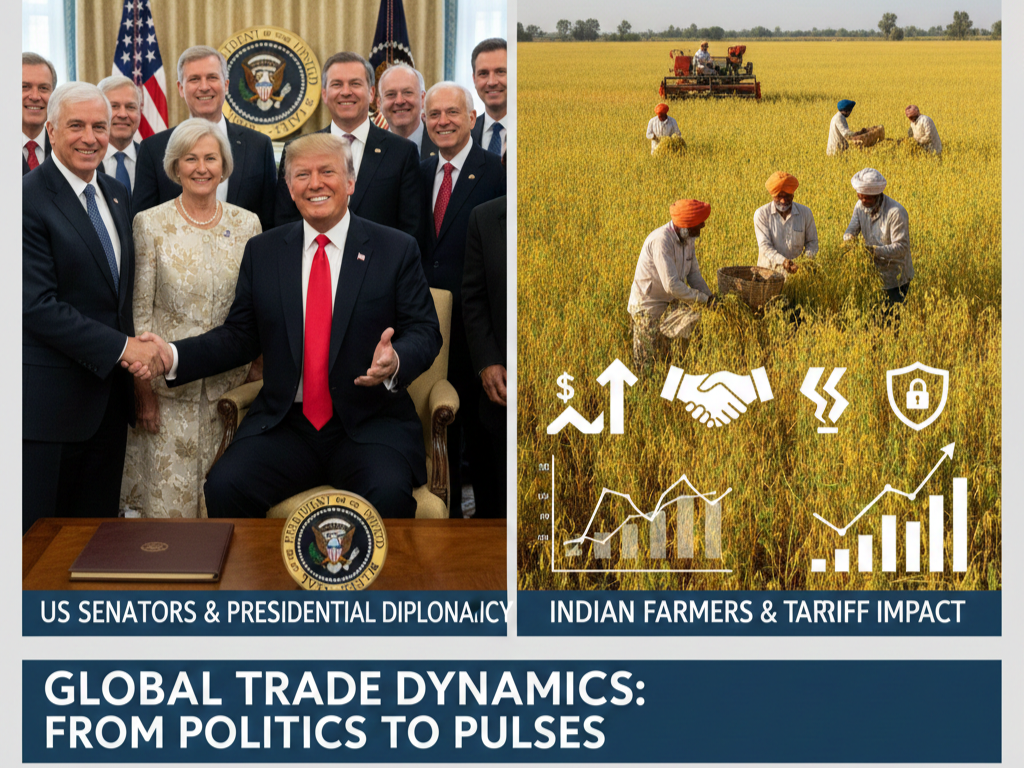
Two prominent Republican senators from America's pulse heartland have urged President Donald Trump to prioritize lower tariffs on US pulse exports to India during critical trade talks. In a letter dated January 16, 2026, Senators Steve Daines (R-Montana) and Kevin Cramer (R-North Dakota) described India's tariffs as "unfair barriers" that severely disadvantage American farmers in one of the world's largest pulse markets.
India imposed a 30% tariff on yellow peas effective November 1, 2025, comprising a 10% basic customs duty and 20% Agriculture Infrastructure and Development Cess (AIDC). This move followed a temporary duty-free window that ended in October, aimed at curbing imports during strong domestic harvests but now renewed amid global supply dynamics. Yellow peas, lentils, chickpeas, and dry beans face duties up to 50% in some cases, while India's average applied agricultural tariff hovers at 39% versus the US's 5%.
Montana and North Dakota lead US pulse production, with the country exporting over $1 billion annually in dry peas, lentils, and chickpeas—India absorbing a significant share before recent hikes. The senators noted pulses are dietary staples in India, which consumes 27% of global supply but produces only 75% domestically, creating import reliance.
| Pulse Crop | US Export Value (2025 est.) | India Tariff Rate | Key Impact |
| Yellow Peas | $450M | 30% | Sharp drop in shipments post-Nov 1 |
| Lentils | $350M | 20-40% | Competitive disadvantage vs Canada/Australia |
| Chickpeas | $200M | Up to 50% | Local protectionism favors domestic output |
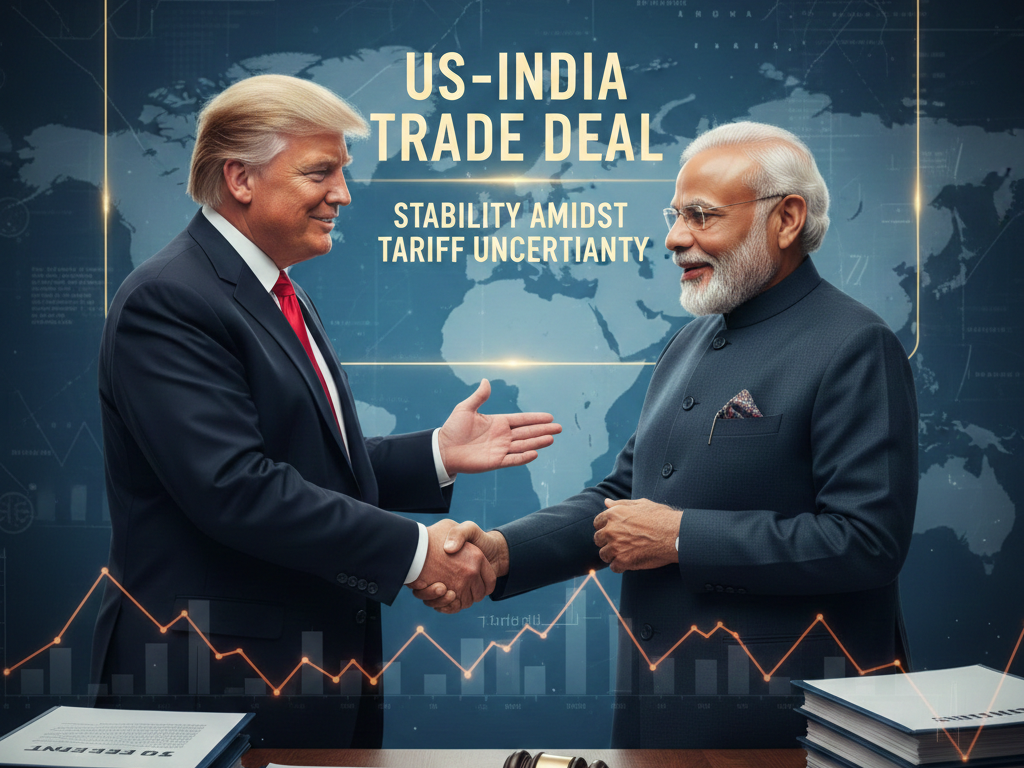
The request unfolds amid heightened US-India trade strains. In August 2025, Trump slapped 50% tariffs on most Indian imports—escalating to 75% for select items—citing unfair practices, Russian oil buys by India, and unresolved disputes like Kashmir rhetoric from Indian officials. India's Commerce Secretary Rajesh Agrawal stated January 2026 that a mini-trade deal is "very near," focusing on $500 billion bilateral goals by 2030, though agriculture remains contentious.
Daines and Cramer referenced Trump's first term success: a 2020 letter hand-delivered to PM Narendra Modi advanced talks, leading to minor concessions. "American farmers stand ready to feed India's growing needs if barriers fall," they wrote, positioning pulses as a win-win for food security and rural economies.
Trade experts see potential: easing duties could boost US ag exports by 20-30% to India, per USDA projections, while helping New Delhi diversify from pricier suppliers like Canada. Yet, Indian farm lobbies push back, fearing job losses for 10 million pulse growers. Negotiations continue into late January, with Trump set to host Indian Commerce Minister Piyush Goyal.
"The decisions we make today will shape the world for generations to come."