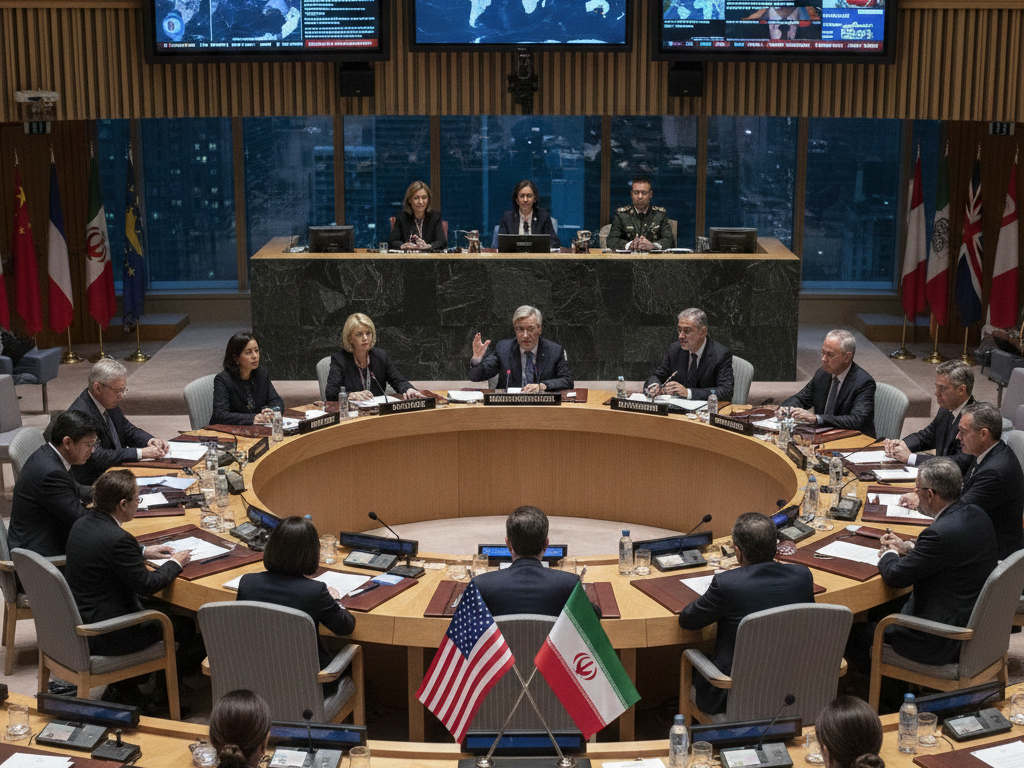
The United States triggered an emergency UN Security Council meeting on January 14, 2026, where Ambassador Mike Waltz warned that President Donald Trump has placed "all options on the table" to halt Iran's deadly crackdown on anti-government protests that erupted in late December 2025. Labeling Trump a "man of action," Waltz emphasized readiness to end the "slaughter," as the US-based Human Rights Activists News Agency (HRANA) reported a staggering death toll of 3,090 by January 17, including 2,885 demonstrators—the worst since the 1979 Islamic Revolution .
Iran's Deputy Permanent Representative Gholamhossein Darzi fired back, accusing Washington of orchestrating the unrest and pledging a "decisive, proportionate" response under UN Charter Article 51 to any aggression. The session revealed stark divisions: Russia's Vassily Nebenzia decried US "blatant aggression," China's Sun Lei cautioned against an "unpredictable abyss," while Pakistan's Asim Iftikhar Ahmad and Colombia's Leonor Zalabata Torres warned of regional destabilization .
Protests have subsided amid a nationwide internet blackout since January 8, with Iranian authorities announcing 3,000 arrests and halting 800 scheduled executions—though monitoring continues . Trump has redirected the USS Abraham Lincoln carrier strike group from the South China Sea to the Persian Gulf, a week-long transit, as the US withdraws personnel from regional bases . Supreme Leader Khamenei blamed Trump for incitement, while Arab states like Saudi Arabia and Qatar implore de-escalation to avert economic shocks .
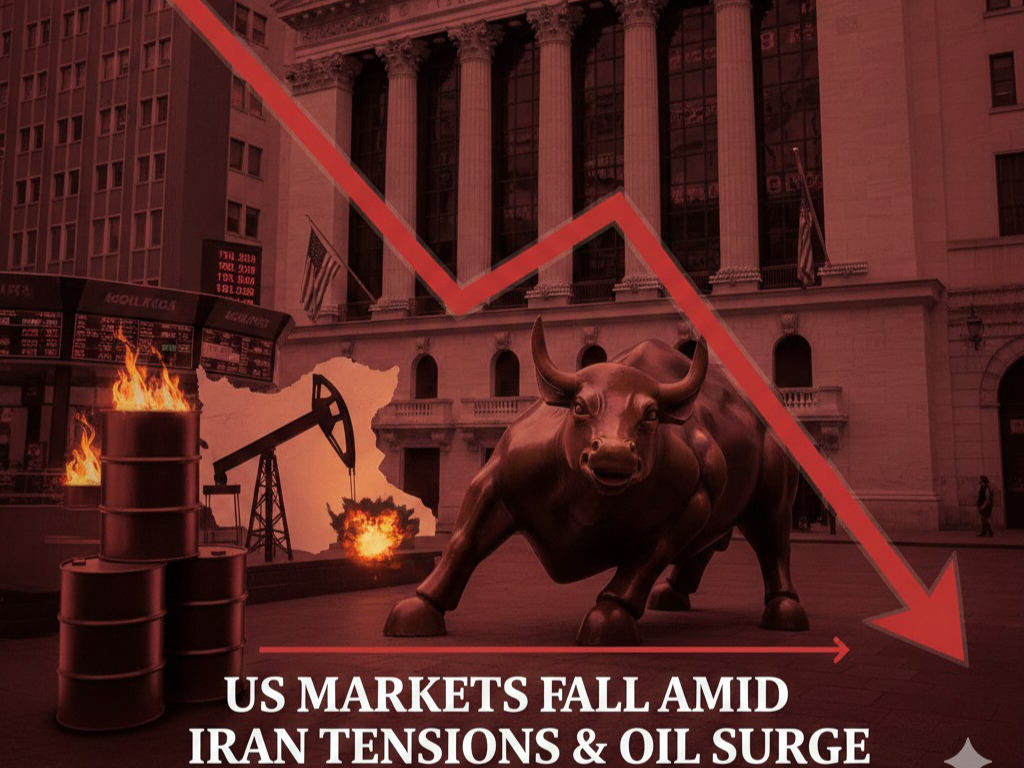
As of January 17, no strikes have launched, but Iran's degraded proxies and nuclear sites from prior actions heighten stakes; slight internet restoration aids verification amid ongoing morgue reports of hidden casualties . Global markets watch warily, with oil prices volatile and real estate in the Gulf bracing for fallout.
"The decisions we make today will shape the world for generations to come."