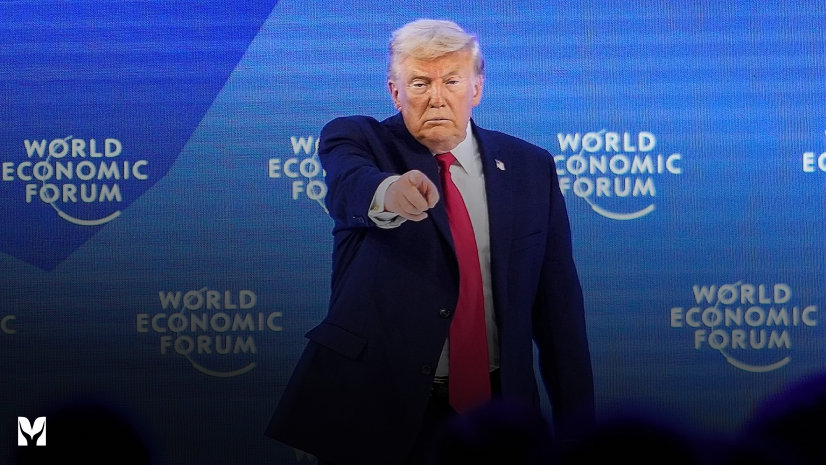
In a captivating address at the World Economic Forum in 2026, former U.S. President Donald Trump delivered a speech that resonated with global leaders, emphasizing the remarkable strides made under his administration in just one year. Speaking to an audience of influential business tycoons, politicians, and public figures, Trump highlighted themes of unprecedented economic growth, enhanced national security, and strategic foreign policy maneuvers. This analysis dives into the core elements of the speech, drawing from its key insights, quantitative data, and overarching narrative to provide a comprehensive understanding of the administration's claimed successes.
Economic Growth: A Surge in Investments and Innovation
At the heart of Trump's message was the U.S. economy's explosive performance, described as exceeding all expectations. He pointed to massive investments from both domestic and international giants as evidence of renewed confidence in American markets. For instance, Apple committed a staggering $650 billion, while Toyota pledged $10 billion for new manufacturing plants. These figures underscore a broader investment boom, fueled by protective tariffs that have already generated around $600 billion in revenue—with projections for even more.
A pivotal policy shift mentioned was the revamped tax incentive allowing businesses to write off the full cost of new capital investments in one year, rather than over decades. This change, Trump argued, has sparked a frenzy of purchasing and construction, protecting U.S. industries from unfair foreign competition and encouraging domestic production. The speech painted a picture of an economy not just recovering but thriving, with common-sense policies at its core. As Trump noted, this approach prioritizes American workers and innovation, setting the stage for long-term prosperity.
Foreign Policy: Ending Wars and Saving Lives
Trump's administration was credited with resolving eight major conflicts, with efforts ongoing to end a ninth—implicitly referencing the Ukraine-Russia war, where monthly casualties hover around 30,000, including soldiers and civilians. The emphasis here was humanitarian: prioritizing the cessation of violence to save lives. This stance reflects a pragmatic foreign policy that contrasts with prolonged engagements of the past, focusing on negotiation and withdrawal where possible.
The speech's informal tone shone through in these discussions, with Trump expressing optimism about wrapping up the remaining conflict despite its complexities. This achievement, if realized, could mark a significant shift in global stability, appealing to the WEF's audience concerned with international peace and economic ripple effects.
Immigration and Border Security: Restoring Order
A recurring theme was the transformation of U.S. border security from what Trump described as a chaotic crisis— with millions crossing unchecked weekly—to a fortified system. He highlighted the deportation of dangerous individuals from countries like Venezuela and the Congo, crediting agencies like ICE for their role in enhancing public safety.
This crackdown, according to the speech, directly ties into broader safety improvements, preventing the influx of criminals and ensuring vetted immigration. Trump's narrative positions these measures as essential for national sovereignty, resonating with themes of protectionism that extend from economic to security policies.
Crime Reduction: Federal Interventions Yielding Results
One of the most striking claims was the drop in U.S. crime rates to their lowest in 67 years. Trump detailed targeted interventions in high-crime cities, such as deploying federal troops to Washington D.C., where homicides fell from about 100 annually to near-zero after just six to eight weeks. Similar successes were reported in Memphis, Louisiana, Chicago, and Minnesota, where over 10,000 "hardline criminals" were deported.
Collaboration with local leaders, including reluctant Democrats, was praised, alongside grassroots support from citizens donning MAGA hats. This section of the speech critiqued poor local governance while celebrating federal leadership's effectiveness, framing crime reduction as a bipartisan win driven by common sense over ideology.
Meritocracy and Future Technologies
Trump celebrated a Supreme Court ruling upholding merit-based standards in college admissions and military recruitment, rejecting what he viewed as politically motivated dilutions of excellence. This victory was portrayed as restoring fairness and competitiveness.
Looking ahead, the speech spotlighted robotics and automation as solutions to labor shortages, predicting a booming U.S. industry in this sector. With endorsements of key figures like Jared Kushner, Marco Rubio (as Secretary of State), and Larry Fink, Trump underscored the importance of assembling top talent to drive these innovations.
Quantitative Highlights
To quantify the achievements, here's a breakdown from the speech:
| Metric / Fact | Value / Description |
|---|---|
| U.S. Economic Growth Timeline | 1 year since administration began |
| Tariff Revenue | ~$600 billion (expected to grow) |
| Apple Investment | $650 billion |
| Toyota Investment | $10 billion in new plants |
| Monthly Deaths in Ongoing Conflict | ~30,000 (soldiers and some civilians) |
| Crime Record Timeframe | Lowest in 67 years |
| Washington D.C. Historical Homicides | ~100 per year before intervention |
| Duration to Make Washington D.C. Safe | 6 weeks to safe, 8 weeks to very safe |
| Criminals Removed in Minnesota | 10,000+ hardline criminals deported |
| Tax Deduction Window for Investment | Previously 2 years → now 10 years |
Timeline of Key Events
The speech also outlined a chronological view of milestones:
| Event/Topic | Description | Timeframe/Duration |
|---|---|---|
| End of 8 Wars | Completed, with 1 remaining difficult conflict | Within 1 year |
| Border Crisis | Millions crossing weekly before crackdown | Prior to administration |
| Crime Reduction Initiatives | Federal troop deployments in major cities | 6–8 weeks per city |
| Economic Stimulus (Tax Write-Off) | Immediate write-off up to 10 years | Implemented during term |
| Supreme Court Merit-Based Ruling | Affirmed merit in admissions and recruitment | Not specified |
In conclusion, Trump's 2026 WEF speech serves as a testament to an administration focused on tangible results through protective policies, strong leadership, and innovative incentives. By blending economic triumphs with security enhancements and forward-looking tech predictions, the address not only celebrates past wins but also charts a course for continued American dominance. Grounded in common sense and delivered with Trump's signature conversational flair, it offers a blueprint for governance that prioritizes success, safety, and growth in an increasingly complex world.
"The decisions we make today will shape the world for generations to come."