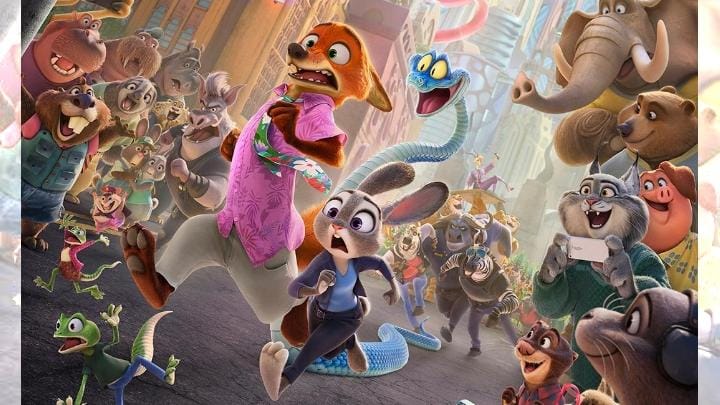
The animated film landscape has always been a fiercely competitive arena, with studios constantly pushing the boundaries of storytelling, animation technology, and emotional depth. For years, Disney and Pixar have reigned supreme, delivering cinematic experiences that resonate with audiences of all ages. This year, the anticipation surrounding two major sequels—Disney's "Zootopia 2" and Pixar's "Inside Out 2"—created an electrifying buzz throughout Hollywood. Both films were expected to be blockbusters, but few could have predicted the seismic shift that would occur in the box office records. "Zootopia 2" didn't just meet expectations; it shattered them, ultimately claiming the title of Hollywood's highest-grossing animated film, a feat that saw it triumph over its formidable competitor, "Inside Out 2."
The success of "Zootopia 2" is not merely a tale of impressive box office numbers; it's a testament to a combination of masterful storytelling, cutting-edge animation, brilliant marketing, and a deep understanding of what contemporary audiences crave. The original "Zootopia," released in 2016, was a critical and commercial darling, lauded for its witty script, vibrant world-building, and poignant exploration of prejudice and stereotypes through the lens of anthropomorphic animals. It set a high bar for its sequel, and director Byron Howard and Rich Moore, along with their dedicated team, clearly felt the pressure to deliver.
One of the primary factors contributing to "Zootopia 2's" monumental success was its narrative depth and thematic relevance. While "Inside Out 2" continued to explore the complex inner world of adolescence with its own unique charm and emotional intelligence, "Zootopia 2" delved into more expansive societal issues. The sequel broadened its scope beyond the initial exploration of predator and prey dynamics, tackling themes such as systemic inequality, the challenges of cross-cultural communication in a globalized world, and the importance of empathy in bridging divides. The screenwriters managed to weave these intricate themes into a compelling mystery plot that saw Judy Hopps and Nick Wilde embark on an international adventure, uncovering a conspiracy that threatened the fragile peace of the animal world. This global scale resonated deeply with audiences, providing both thrilling escapism and thought-provoking social commentary.
The character development in "Zootopia 2" was another key differentiator. Judy and Nick, already beloved characters, underwent significant growth. Judy grappled with the responsibilities of her expanding role in the Zootopian police force, confronting ethical dilemmas that tested her idealism. Nick, on the other hand, faced personal challenges related to his past and his evolving relationship with Judy, adding layers of vulnerability and depth to his character. The film also introduced a host of memorable new characters from diverse animal species and cultures, each contributing to the richness of the narrative and expanding the already intricate tapestry of Zootopia's world. These characters were not merely plot devices; they were fully realized individuals with their own motivations, flaws, and arcs, allowing audiences to connect with them on a profound level.
Visually, "Zootopia 2" was nothing short of a masterpiece. The animation pushed the boundaries of what is possible in CG animation, rendering the diverse environments—from bustling metropolises to serene natural landscapes—with breathtaking detail and realism. The fur, water, and lighting effects were so meticulously crafted that they often bordered on photorealism, yet retained the charming expressiveness characteristic of Disney animation. The action sequences were dynamic and exhilarating, choreographed with precision, while the more emotional scenes were imbued with subtle facial expressions and body language that conveyed a wealth of feeling. This visual spectacle provided an immersive experience that drew viewers deeper into the world of Zootopia, making every frame a treat for the eyes.
Marketing also played a crucial role in "Zootopia 2's" triumph. Disney's marketing team orchestrated a highly effective campaign that began months before the film's release. Teaser trailers hinted at the expanded scope and new mysteries without giving away major plot points, building immense anticipation. Interactive online experiences, engaging social media campaigns, and strategic partnerships created a widespread cultural conversation around the film. Furthermore, the marketing highlighted the film's universal themes, attracting a broad demographic beyond just children and families. Adults who appreciated the original film's social commentary were eager to see how the sequel would continue these discussions, while younger audiences were drawn to the vibrant characters and thrilling adventure.
While "Inside Out 2" was undoubtedly a fantastic film that garnered critical acclaim and strong box office numbers in its own right, "Zootopia 2" managed to tap into a slightly different, perhaps broader, cultural zeitgeist. "Inside Out 2" masterfully explored the intricacies of adolescent emotions, a theme that resonated deeply with its target audience and parents. However, "Zootopia 2's" themes of global unity, overcoming systemic challenges, and the complexities of diverse societies felt particularly pertinent in the current global climate. Its ability to address these significant topics in an entertaining and accessible way gave it an edge in connecting with a wider, more diverse international audience.
The success of "Zootopia 2" is also a testament to the enduring power of brand loyalty and the trust audiences place in Disney's ability to deliver quality entertainment. The original "Zootopia" had already cultivated a dedicated fanbase, and the sequel capitalized on that goodwill. Audiences walked into "Zootopia 2" with high expectations, and the film not only met but exceeded them, solidifying its place as a beloved franchise.
In conclusion, "Zootopia 2's" journey to becoming Hollywood's highest-grossing animated film is a multifaceted story of exceptional filmmaking. It's a testament to a compelling narrative that tackles important contemporary issues, characters that continue to evolve and endear themselves to audiences, breathtaking animation that pushes technological boundaries, and a marketing strategy that effectively captured the public imagination. Its triumph over a strong contender like "Inside Out 2" highlights the appetite for animated films that are not only entertaining but also offer profound insights into the world we live in. "Zootopia 2" has not only set a new financial benchmark but has also raised the bar for what animated storytelling can achieve, proving that with creativity, relevance, and dedication, animated films can truly capture the heart and imagination of a global audience.
"The decisions we make today will shape the world for generations to come."