The rupee did not stumble. It walked through a door the government pretended was locked. In early trade on Thursday, 10 September 2026, the Indian unit opened at 95.15 against the US dollar and slid to 95.33 — 25 paise weaker than Wednesday’s close of 95.08. That close itself was a 34-paise drop from 94.74. Three sessions. One direction. A psychological line at 95 broken, stop-losses tripped, extra dollar demand piled on. Dealers said the Reserve Bank of India stepped in to slow the fall. Intervention is not strength. It is a bandage on a wound that policy keeps reopening.
Brent was still printed above $100, around $100.98 even after a small dip. Hormuz risk and the US–Iran clash have put a war premium on every barrel India must buy. This country imports close to 90 per cent of its crude. Traders put the arithmetic in public: each $10 jump in oil can add roughly $12–15 billion to the annual import bill. That is current-account pressure, inflation pressure, and rupee pressure in the same sentence. The FCNR dollar cushion that once papered over part of this gap is no longer doing that job. If the pair stays above 95, desks are already talking 95.50 and then 96. That is not panic talk. That is the next stop on a map drawn by energy dependence.
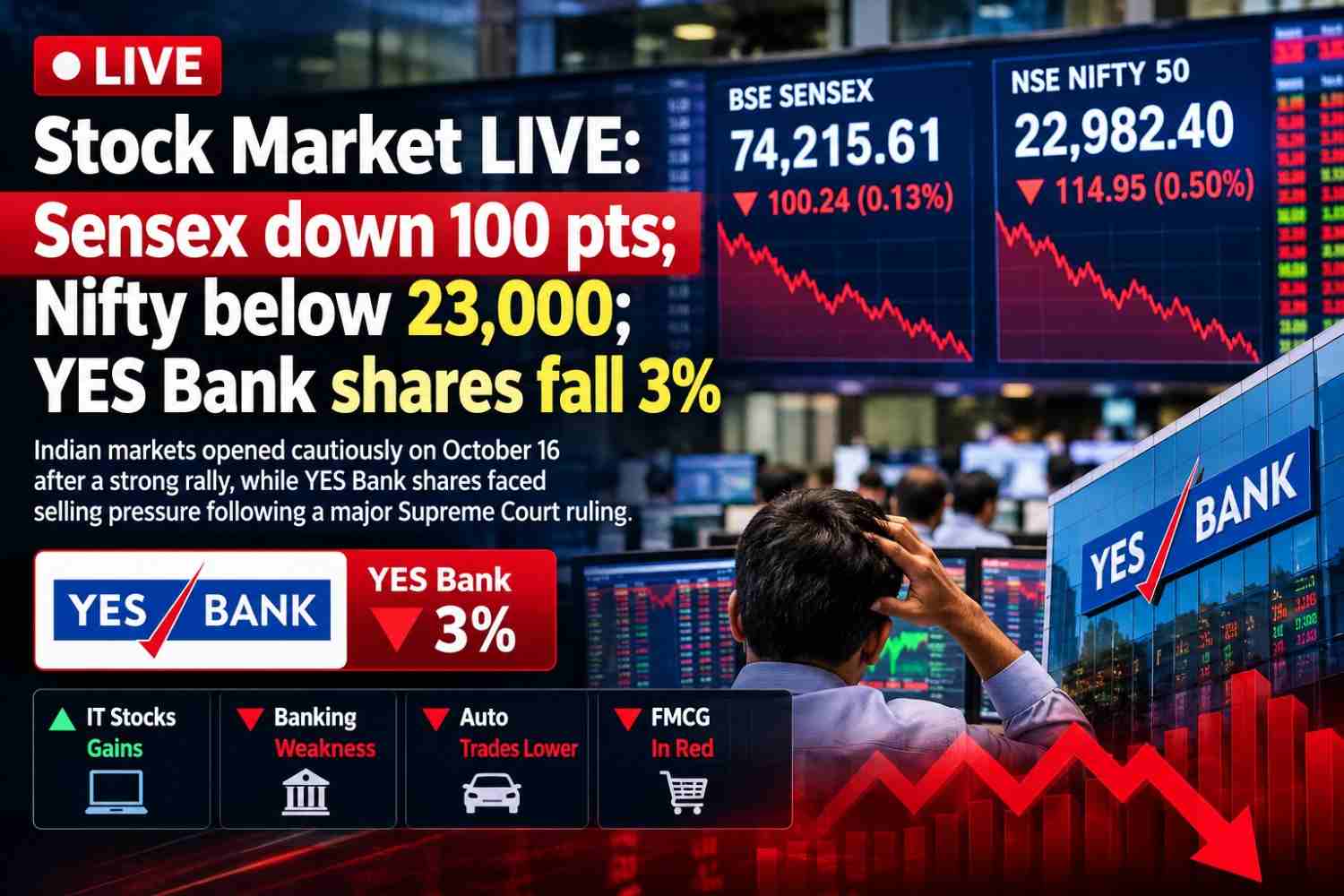
The dollar index was actually a shade softer near 98.72. The rupee still fell. That is the tell. This was not a global greenback rampage. This was India paying for oil in dollars while foreign funds sold equities — about ₹583 crore net on Wednesday — and while listed stocks were still digesting an 813-point Sensex smash to 74,764. Early Thursday the Sensex and Nifty tried a limp bounce toward 74,810 and 23,439. A few green ticks do not refinance an import bill. US Treasury yields sitting at multi-year highs only make hot money less interested in emerging-market paper. Over a year the rupee is still down close to 8 per cent. In March it had already seen the dollar print near 99.82. The “managed” currency story is a managed decline with better lighting.
New Delhi will call this global turbulence. Turbulence is real. So is the choice to run an economy that treats imported crude as destiny and forex intervention as strategy. Speeches still sell stability while households will meet $100 oil in fuel, freight and food. The central bank can sell dollars until the reserves look thinner. It cannot print energy security. Until that changes, 95.33 is not a blip. It is a receipt.
"The decisions we make today will shape the world for generations to come."