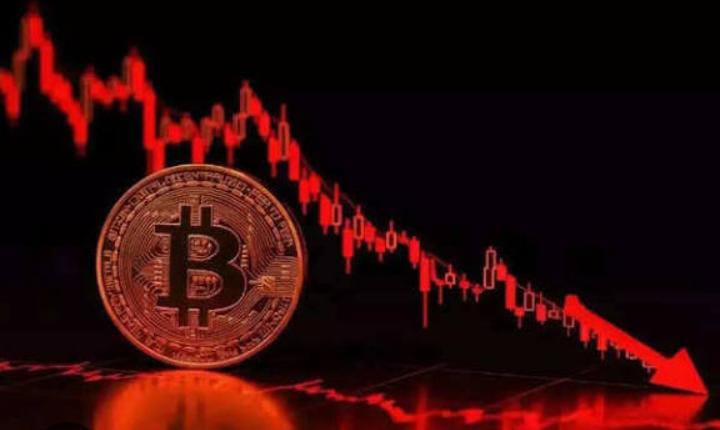
In a startling incident that sent shockwaves through the crypto trading community, Bitcoin’s price briefly plunged to $0 on the Paradex exchange after a technical malfunction disrupted the platform’s pricing system. The event, which occurred on January 19, 2026, led to widespread forced liquidations of leveraged positions before the exchange intervened with an extraordinary corrective measure: a blockchain rollback.
While the headline sparked panic across social media, the reality was far more technical—and far more revealing about the hidden risks in modern crypto trading infrastructure.
What Actually Happened?
The incident took place during scheduled backend maintenance on Paradex, a decentralized perpetual futures exchange built on Starknet. During a database migration, a critical error corrupted the internal price feed used by the platform’s trading engine. As a result, Bitcoin’s price was momentarily recorded as zero dollars within Paradex’s system.
Importantly, Bitcoin did not crash globally. Major exchanges such as Binance, Coinbase, and OKX continued to show Bitcoin trading at normal market levels. The issue was isolated to Paradex and affected only its internal pricing logic.
Why Did This Lead to Mass Liquidations?
Paradex, like most derivatives platforms, relies on automated liquidation engines to manage leveraged positions. These systems continuously monitor prices and automatically close positions when collateral thresholds are breached.
When Bitcoin’s internal price dropped to zero:
All long positions instantly appeared worthless
Margin requirements were violated in seconds
The liquidation engine force-closed positions at the erroneous price
This caused a cascade of liquidations, wiping out traders who had no real exposure to a market crash, but were caught in a system failure.
The Extraordinary Response: Blockchain Rollback
Facing a rapidly escalating crisis, Paradex chose an unusual and controversial solution—rolling back its blockchain state to a point before the glitch occurred.
This rollback:
Reversed liquidations triggered by the faulty price
Cancelled trades executed during the affected window
Restored the system to its last stable state
Trading and withdrawals were temporarily halted for several hours while the rollback was executed and systems were verified.
Paradex later stated that user funds were safe, though many open orders were cancelled and trading activity during the rollback window was erased.
Why This Incident Matters
1. Technical Risk Can Be as Dangerous as Hacks
This was not a cyberattack or market manipulation—it was a routine maintenance error. The event highlights how operational risks can cause damage comparable to major security breaches.
2. Automated Liquidations Are Unforgiving
Perpetual futures trading relies heavily on automation. When price feeds fail, liquidation systems do not pause to question anomalies—they execute instantly.
3. Decentralization Has Limits
The ability to roll back the chain reignited debate over decentralization. While Paradex operates on a blockchain, the incident showed that control still exists at the application level, especially on Layer-2 and appchain environments.
4. Transparency and Trust Are Critical
Paradex did not disclose exact liquidation figures or trader losses, raising concerns about transparency and post-incident accountability in decentralized finance platforms.
Impact on the Broader Crypto Market
Despite dramatic headlines, the incident had no lasting impact on Bitcoin’s global price. However, it did:
Shake trader confidence in on-chain derivatives platforms
Spark renewed discussion about leverage risk
Highlight differences between centralized exchanges and DeFi protocols
For many traders, the event served as a reminder that high leverage amplifies not just market risk, but system risk as well.
Key Takeaways for Traders and Investors
A Bitcoin price of “zero” does not always mean a market crash—it can mean a system failure
Leverage magnifies vulnerability to technical errors
Decentralized platforms can still intervene during emergencies
Risk management should include platform risk, not just price volatility
"The decisions we make today will shape the world for generations to come."