In the world of lending—whether you are a small business owner seeking a line of credit or an individual applying for a mortgage—the decision-making process is rarely a "gut feeling." Instead, financial institutions rely on a time-tested framework known as the 5 C's of Credit.
This methodology allows lenders to quantify risk and determine the likelihood that a borrower will fulfill their financial obligations. For professionals, mastering these five pillars is essential for securing capital and maintaining a healthy financial reputation.
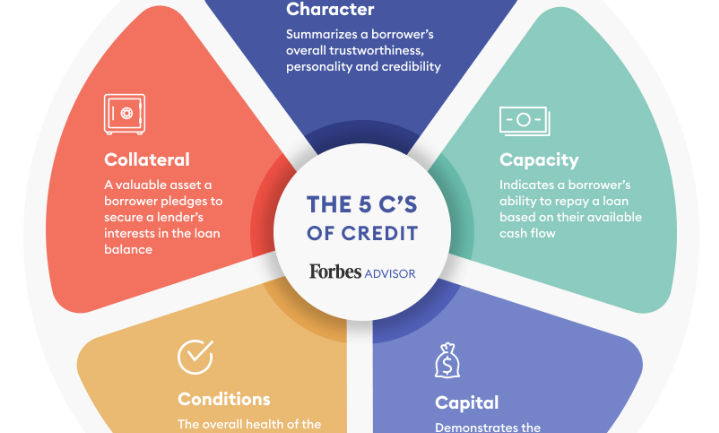
1. Character: The Reputation of the Borrower
Character is the most subjective of the five factors, yet often the most critical. It represents your trustworthiness and track record. Lenders look at your credit history, professional reputation, and past interactions with financial institutions to gauge your "willingness" to repay.
- Key Indicator: FICO scores and credit reports.
Professional Tip: Ensure your credit report is free of errors and maintain long-standing relationships with your bankers.
2. Capacity: The Ability to Pay
Capacity measures your cash flow against your debt obligations. Even with the best intentions (Character), a borrower must have the financial means to service the debt. Lenders calculate your Debt-to-Income (DTI) ratio or Debt Service Coverage Ratio (DSCR) to ensure your income comfortably covers your expenses and the new loan payments.
- Key Indicator: Income statements, tax returns, and employment history.
3. Capital: The "Skin in the Game"
Lenders are more comfortable when the borrower has a personal stake in the investment. Capital refers to the amount of money the borrower has personally invested in the project or business. If you are willing to lose your own money, the lender feels more secure that you will work hard to make the venture succeed.
- Key Indicator: Down payments, retained earnings, and owner’s equity.
4. Collateral: The Secondary Source of Repayment
Collateral acts as a safety net. It is a specific asset (like real estate, equipment, or inventory) that the lender can seize and sell if the borrower defaults. While lenders prefer to be paid back through cash flow (Capacity), collateral provides a "Plan B" to mitigate potential losses.
Key Indicator: Asset appraisals and titles.
5. Conditions: The External Environment
Finally, lenders look at the "big picture." Conditions refer to how the external environment—such as interest rates, industry trends, and the state of the economy—might affect your ability to repay. For example, a restaurant might find it harder to get a loan during a recession, regardless of their individual credit score.
- Key Indicator: Economic forecasts, industry reports, and the specific purpose of the loan.
Navigating the 5 C’s is not just about checking boxes; it is about building a narrative of reliability. By understanding these metrics, you can position yourself or your business as a low-risk, high-reward partner for any financial institution.
"The decisions we make today will shape the world for generations to come."