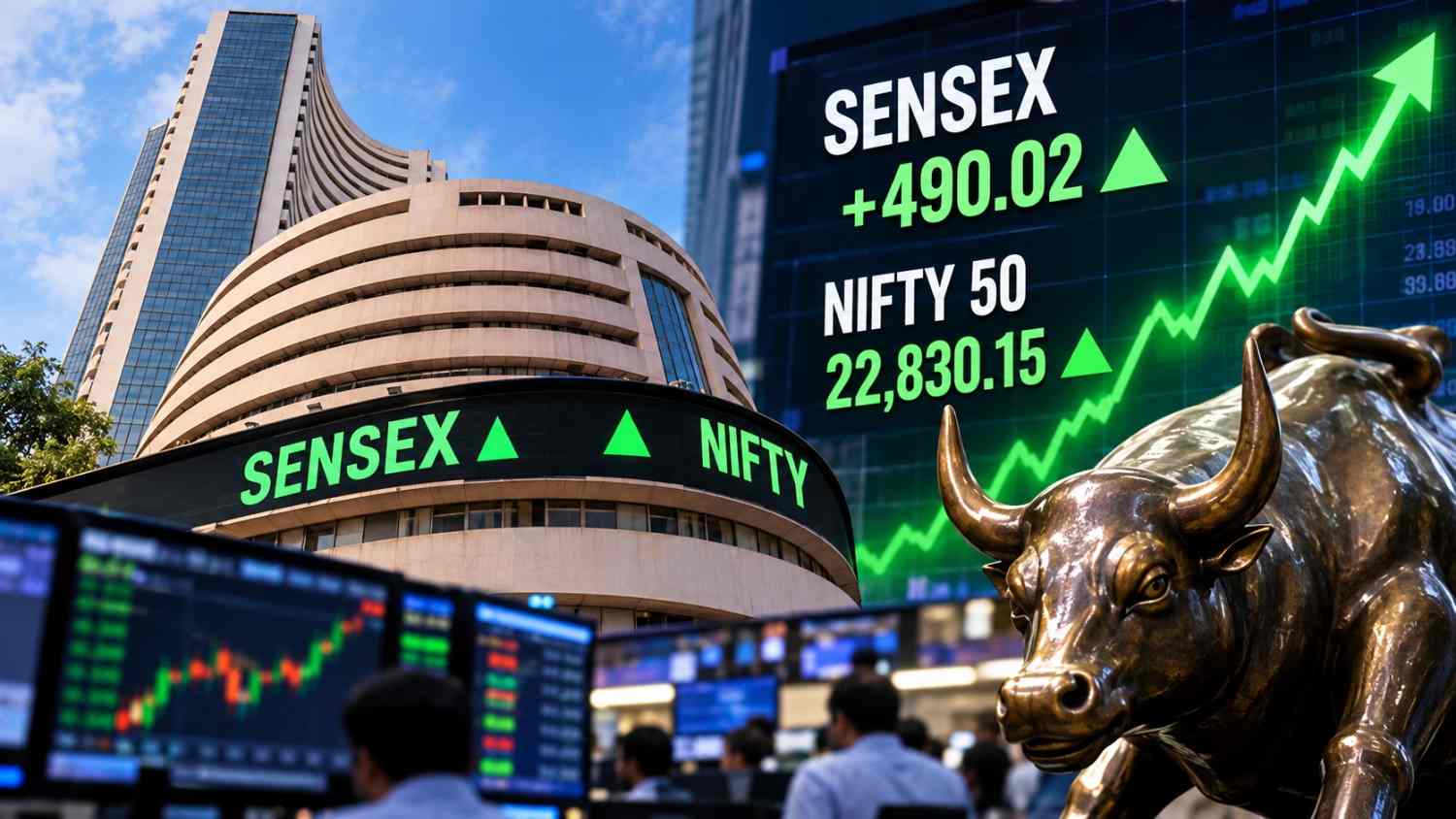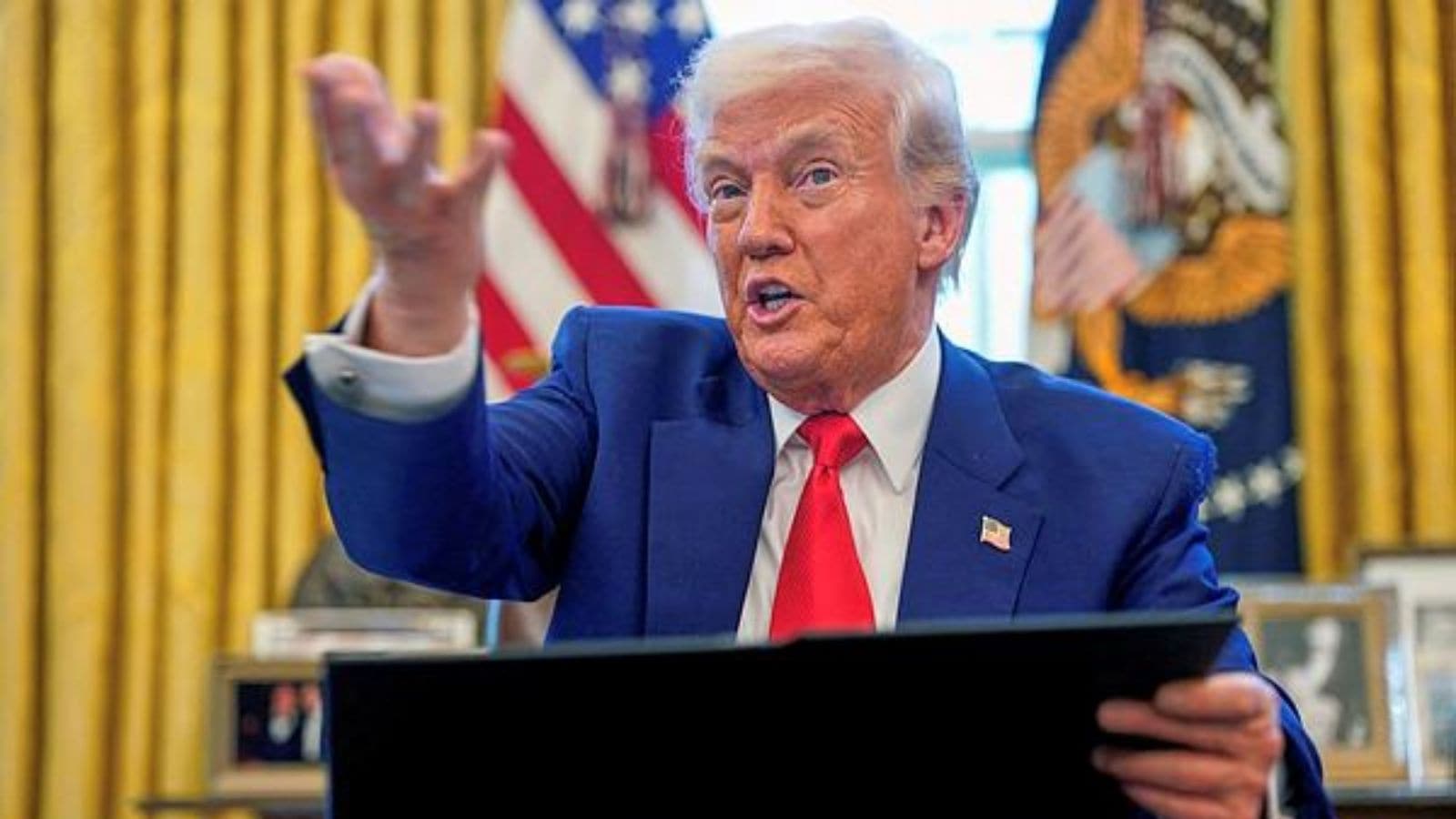
Global financial markets witnessed heightened volatility as U.S. President Donald Trump’s latest policy signals reignited investor anxiety. A mix of aggressive trade threats, proposed financial regulations, and rising geopolitical tensions created an environment of uncertainty, pushing investors away from riskier assets and towards traditional safe havens. The reaction highlights how sensitive global markets remain to political decision-making in the world’s largest economy.
Policy Uncertainty Takes Center Stage
At the heart of the market turmoil lies President Trump’s renewed push for unconventional economic measures. Among the most debated proposals is a plan to impose strict limits on consumer credit interest rates. While intended to protect borrowers, financial institutions have warned that such caps could reduce profitability, restrict lending, and slow economic activity. As banking stocks form a crucial pillar of U.S. equity markets, even the suggestion of such policies was enough to trigger selling pressure.
Simultaneously, Trump’s hardline trade stance added another layer of concern. His warning that countries continuing trade with Iran could face steep tariffs from the United States raised fears of a new wave of trade conflicts. Investors interpreted this as a sign that global trade relations may once again become unpredictable and confrontational.
Markets React: Risk Assets Retreat
U.S. equity markets responded cautiously, with financial stocks leading the decline. Broader indices reflected investor reluctance to take fresh positions amid unclear policy direction. Asian and European markets followed suit, showing weakness as global investors adjusted portfolios in response to rising risk perception.
Currency and bond markets also reflected nervous sentiment. Volatility increased as traders reassessed expectations around interest rates, inflation, and central bank independence. Political influence over economic institutions is historically viewed as a red flag by markets, and recent developments reinforced those fears.
Commodities Tell a Different Story
While equities struggled, commodities moved in the opposite direction. Gold prices surged as investors sought safety amid geopolitical and economic uncertainty. The rally in precious metals signaled a clear shift towards capital preservation rather than growth.
Oil prices also climbed sharply. Heightened tensions involving Iran raised concerns over potential supply disruptions, especially in strategically critical regions. Even the possibility of instability was enough to push energy prices higher, underscoring how geopolitical risks can quickly spill into commodity markets.
Geopolitical Risks Add to the Pressure
Beyond economics, geopolitical developments played a crucial role in shaping market sentiment. Ongoing unrest in parts of the Middle East, combined with strong rhetoric from Washington, increased fears of escalation. For global investors, such scenarios often translate into higher volatility, disrupted supply chains, and rising input costs for businesses worldwide.
Why Investors Are Worried
What unsettled markets most was not a single policy decision, but the accumulation of uncertainties. Sudden shifts in trade policy, potential regulatory overhauls in the financial sector, and geopolitical tensions together created a fragile environment. Markets typically struggle when policy direction lacks clarity, and recent signals from the U.S. administration amplified that concern.