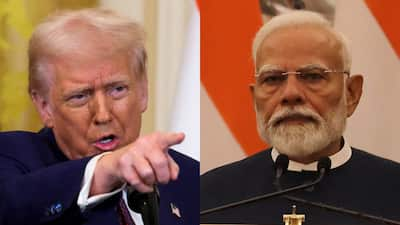
India has firmly dismissed recent claims suggesting that stalled India–US trade negotiations were caused by a lack of direct communication between Prime Minister Narendra Modi and former US President Donald Trump. The clarification comes after comments from a senior US official implied that a crucial trade agreement failed to move forward because the Indian Prime Minister did not personally reach out at a key moment.
The Ministry of External Affairs (MEA) described this narrative as inaccurate and misleading, stressing that diplomatic engagement between the two leaders was both regular and substantive throughout the negotiation period.
Regular Leader-Level Engagement, Says India
According to official statements, Prime Minister Modi and President Trump spoke multiple times during 2025, discussing not only trade but also broader strategic and geopolitical issues. Indian authorities highlighted that bilateral relations were actively managed through established diplomatic channels, including leader-level conversations, ministerial meetings, and technical trade discussions.
The MEA underlined that complex trade negotiations cannot be reduced to a single phone call or personal outreach, as such agreements involve detailed consultations, policy alignment, and consensus across multiple sectors.
Trade Talks Faced Structural Challenges
India–US trade negotiations have long involved sensitive issues such as tariff structures, market access, agricultural imports, technology transfers, and regulatory standards. While both sides expressed intent to reach a mutually beneficial agreement, differences on these core economic matters reportedly slowed progress.
Indian officials emphasized that negotiations reached advanced stages several times, but unresolved policy concerns—rather than communication gaps—were the primary reason the deal remained unfinished.
Broader Context of Global Trade Pressures
The controversy also unfolds amid heightened global trade tensions. The United States has taken a tougher stance on tariffs and sanctions in recent years, including measures linked to energy trade and geopolitical alignments. India, meanwhile, has sought to balance its strategic partnerships while protecting domestic economic interests.
Despite these challenges, the US continues to be one of India’s largest trading partners, with bilateral trade running into hundreds of billions of dollars annually. Both nations have repeatedly stated that economic cooperation remains a long-term priority.
India Reaffirms Commitment to Fair Trade
India reiterated that it remains open to constructive dialogue and is committed to concluding trade agreements that are balanced, fair, and respectful of national interests. The government also cautioned against oversimplified public narratives that could distort the reality of diplomatic and economic negotiations.
By publicly addressing the issue, New Delhi aims to reinforce its diplomatic credibility and clarify that India–US trade talks were driven by policy considerations—not personal communication gaps.