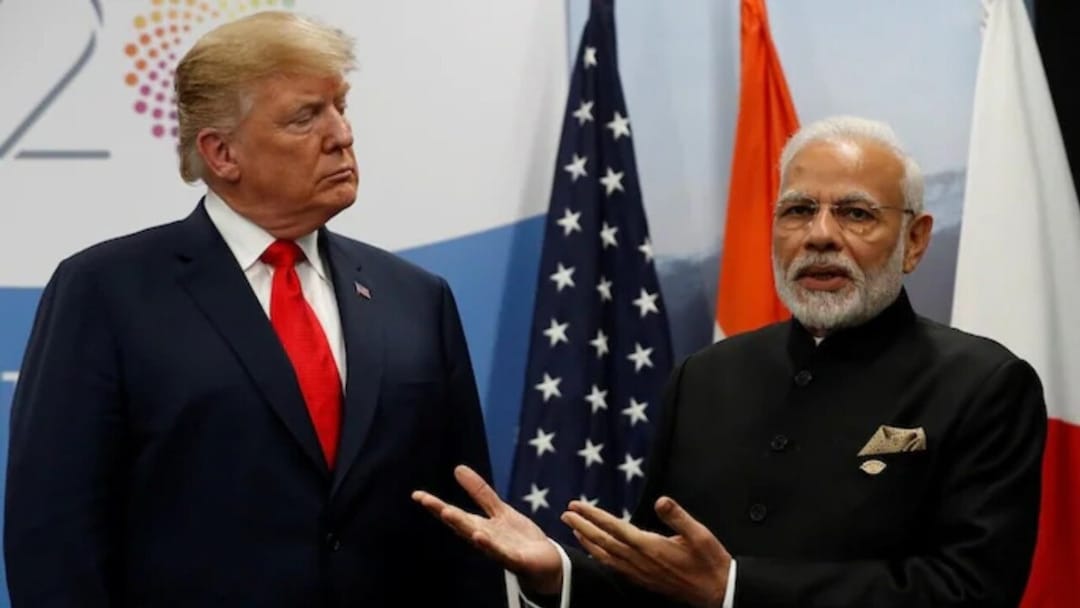
The long-discussed India–United States trade agreement has once again come under the spotlight after senior American officials claimed that the deal stalled due to a lack of direct communication between Prime Minister Narendra Modi and former U.S. President Donald Trump. The remarks have triggered diplomatic clarification from New Delhi and renewed debate over how leadership dynamics influence global trade negotiations.
What Sparked the Controversy
According to statements made by U.S. Commerce Secretary Howard Lutnick, the trade agreement between the two nations was close to completion but required a final leader-to-leader conversation to move forward. He suggested that the absence of a direct phone call from the Indian Prime Minister to President Trump delayed the process, eventually forcing the U.S. to shift its focus toward trade deals with other countries.
These comments quickly gained international attention due to the scale of the proposed agreement and the strategic importance of India-US economic ties.
India Pushes Back
The Indian government strongly refuted the claim, calling the narrative inaccurate and misleading. Officials clarified that Prime Minister Modi and Donald Trump were in contact multiple times during the relevant period, and that trade discussions were conducted through structured diplomatic and ministerial channels.
India emphasized that complex trade negotiations depend on economic priorities, market access, regulatory issues, and national interests — not solely on personal communication between leaders.
Trade and Economic Implications
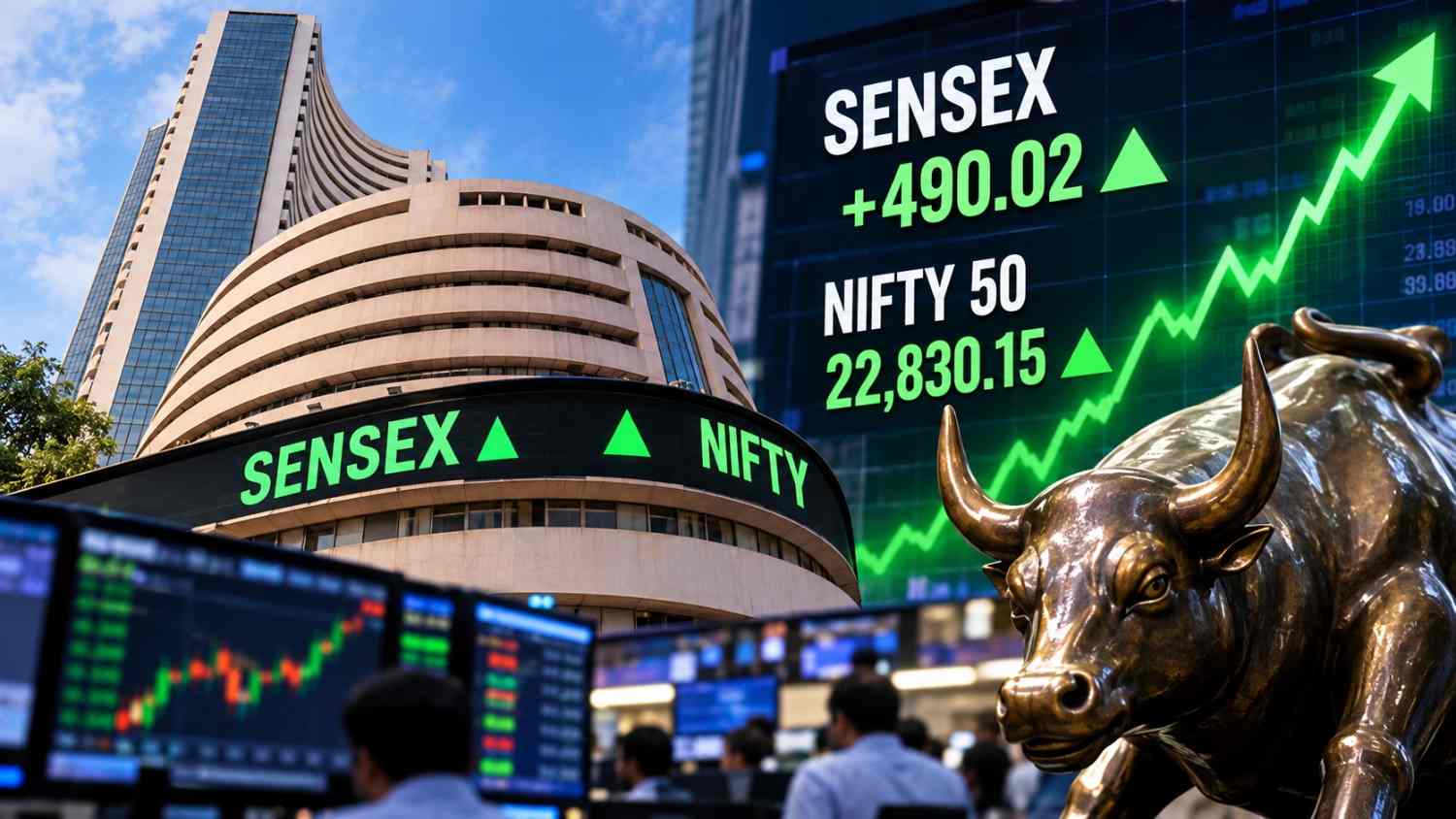
The stalled deal has broader economic consequences. Without a formal agreement, Indian exporters continue to face higher tariffs in the U.S. market, while American companies miss out on smoother access to one of the world’s fastest-growing economies. Market uncertainty has also increased, with investors closely watching how geopolitical developments could influence trade flows, currency stability, and capital movement.
Adding to the tension, proposed U.S. legislation that could allow extremely high tariffs on certain imports has further raised concerns among Indian businesses and policymakers.
Diplomacy vs Policy
This episode highlights a deeper issue in international trade — the balance between personal diplomacy and institutional negotiation. While personal rapport between leaders can accelerate decisions, long-term agreements typically require alignment on policy frameworks, domestic economic considerations, and mutual concessions.
Experts believe that despite the current disagreement, both countries have strong incentives to revive talks, given their shared strategic, economic, and geopolitical interests.
Looking Ahead
India and the United States remain key partners on multiple global platforms. While the trade deal remains unresolved for now, diplomatic engagement is ongoing. Analysts expect that future negotiations may resume once political conditions stabilize and both sides reassess priorities.