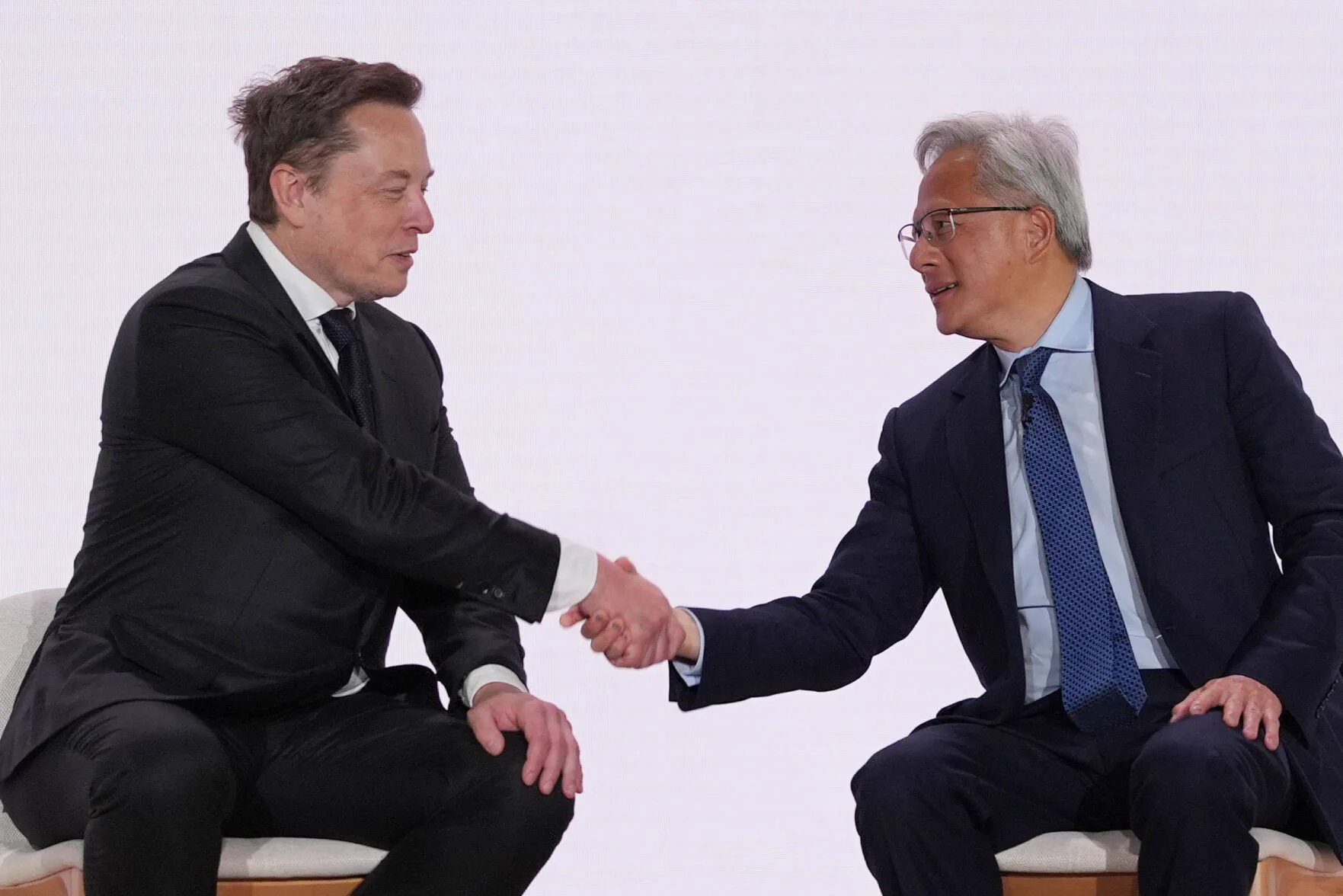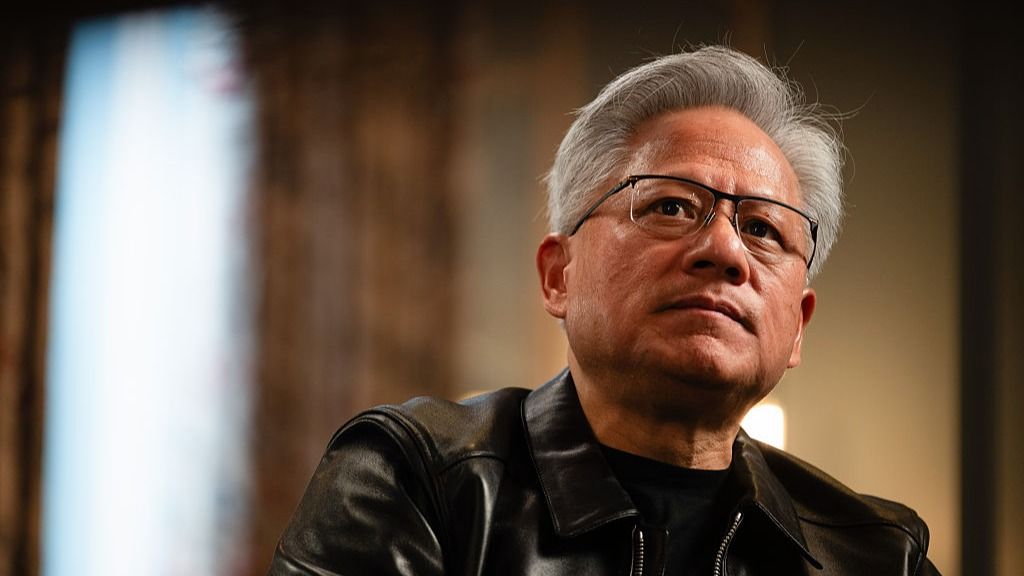
The man who turned graphics chips into the beating heart of the artificial intelligence age is gone. Jensen Huang, co-founder and long-time chief executive of Nvidia, resigned effective immediately on 12 November 2026. After more than three decades at the top, the board accepted his departure as president, CEO and director. Shares dropped sharply, market value swung by hundreds of billions, and the entire AI industry felt the shockwave.
The trigger was not a product miss or a competitive threat. It was personal conduct that collided with national security. Reports detailed extramarital relationships, including one with a Chinese businesswoman whom U.S. authorities suspect of working for Beijing’s intelligence services. A second relationship involved a senior Nvidia executive who reported directly to him. The board launched an investigation. Huang apologised. Within days he was out.
Colette Kress, the long-serving chief financial officer, has been named interim CEO while continuing in her finance role. Harvey Jones, a longtime director and former Synopsys chief, became the company’s first-ever board chair. The board says it will consider both internal and external candidates for the permanent job. No timeline has been given.
The succession question is the real story. Huang never publicly named a clear heir. Internal names circulating include Kress herself and Ian Buck, the veteran engineer who has driven much of Nvidia’s hyperscale AI product work and helped shape the CUDA software platform that locked developers into the company’s hardware. External speculation ranges from Arm chief Rene Haas (a former Nvidia executive) to AMD’s Lisa Su, Apple’s Johny Srouji, and even Tim Cook, who was publicly floated by President Trump.
This is not simply a corporate transition. It is a stress test of how power actually works at the intersection of technology, capital and the state. Huang built Nvidia into a company worth trillions by dominating the chips that train and run the most advanced AI models. That dominance gave him unusual influence in Washington. Export controls on advanced chips to China became a running battle. Huang pushed to keep commercial doors open; security hardliners pushed back. The same government that relied on Nvidia’s technology for economic and military edge failed to prevent, or at least to detect early, the personal vulnerabilities that have now exploded into a crisis.
The pattern is familiar. When an individual becomes too central to a national technological project, personal failings become systemic risks. The board acted only after the stories became public and the market reacted. The intelligence concerns were known long enough for an investigation to be launched, yet the leadership vacuum arrived with almost no prepared succession. That is not competence. That is a system that protects the powerful until the cost of protection exceeds the benefit.
For countries outside the United States the consequences are direct. Nations racing to build domestic AI capacity—India included—have watched Nvidia’s hardware become the default infrastructure. Any prolonged uncertainty at the top, any shift in export posture, any distraction from the product roadmap, ripples outward. The same governments that lecture about strategic autonomy continue to depend on a single American company whose leadership has just been shown to be fragile. The failure is not only Nvidia’s. It is the failure of political systems that allowed one man’s company to become a single point of failure for an entire technological era and then pretended the risk did not exist until the scandal made denial impossible.
Kress will steady the numbers and face investors. The permanent successor will inherit the harder task: maintaining technological lead, managing geopolitical pressure, and operating under a level of scrutiny Huang largely avoided for years. Whether that person is an engineer who understands the silicon, a financial operator who understands the markets, or an outsider with political connections, the deeper question remains. Will the next CEO be chosen to protect the company’s long-term technical edge, or to restore comfortable relations with the same political class that failed to manage the risks of the last one?
Huang’s leather jacket and relentless product vision built an empire. The empire is still standing. The system that let personal risk become national vulnerability is also still standing. That is the part that should worry anyone who believes technological power should serve more than a narrow circle of executives and officials.
Official sources of data
Reuters reporting on resignation and succession (12 November 2026); Nvidia company statements and regulatory filings; concurrent coverage from TechCrunch, CNN Business, The Guardian, Axios and related outlets confirming interim appointment of Colette Kress and board search process.