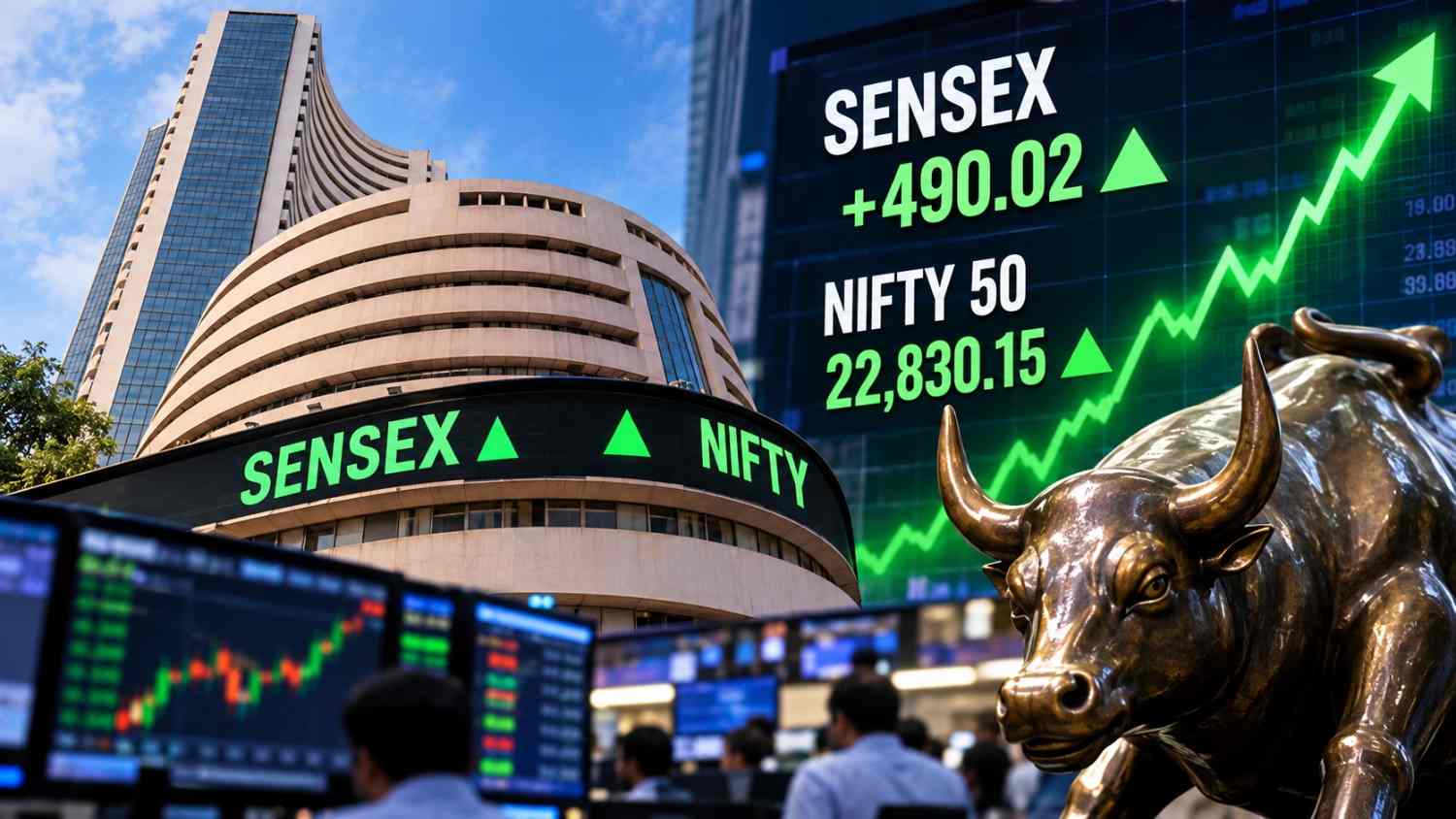
As the world steps into 2026, the cryptocurrency landscape—and Bitcoin in particular—has transformed from a speculative periphery into a central pillar of global finance. However, this evolution has not come without its share of turbulence. In the first week of January 2026, Bitcoin has already showcased its characteristic volatility, surging past the $93,000 mark fueled by a "short squeeze" and geopolitical tensions, only to face immediate resistance.
While traders navigate these rapid price swings, a larger conversation is brewing in the corridors of power. With India’s Union Budget 2026 scheduled for presentation on February 1, the crypto industry is speaking with a unified voice: it is time for clarity, rationalization, and the removal of punitive tax barriers that have stifled domestic innovation for years.
The Volatility Vortex: Trading Bitcoin in 2026
The start of 2026 has been anything but quiet. Bitcoin (BTC) began the year consolidating near $88,000, but a sudden liquidation of over $180 million in short positions propelled the asset toward a new psychological frontier.
Drivers of Current Volatility
- Geopolitical Safe Haven: Recent conflicts, specifically involving U.S. operations in Venezuela, have reignited the narrative of Bitcoin as "digital gold." Investors are increasingly rotating out of traditional equities into BTC and Gold to hedge against macro instability.
- The $100,000 Gravity Well: Analysts at major firms like Mudrex and CoinSwitch suggest that the market is currently in a "volatility squeeze." With strong support at $90,000, any decisive move above $94,700 is expected to trigger a run toward the historic $100,000 milestone.
- Institutional Conviction: Unlike the retail-driven manias of the past, the 2026 rally is anchored by long-term holder accumulation. For the first time in months, the 30-day change in supply for long-term holders has turned positive, indicating that "smart money" is not selling the dips.
The Elephant in the Room: Budget 2026 and Taxation
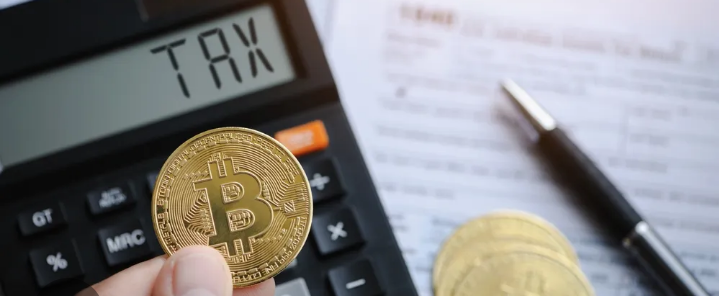
While the price charts look promising, the Indian crypto ecosystem remains under a cloud of fiscal ambiguity. Since the introduction of the 30% flat tax on Virtual Digital Assets (VDAs) and the 1% TDS (Tax Deducted at Source) in 2022, the industry has seen a massive migration of trade volumes to offshore exchanges.
The Industry’s "Budget Wishlist"
As Finance Minister Nirmala Sitharaman prepares to present the 2026 Budget, stakeholders are calling for three critical reforms:
- Reduction of TDS: The 1% TDS has been the single most significant deterrent for high-frequency traders. Industry leaders are advocating for a reduction to 0.01% or 0.1%, arguing that the primary goal of TDS—tracking transactions—can be achieved without draining the liquidity of retail participants.
- Loss Offsetting: Currently, losses in one crypto asset cannot be set off against gains in another. This "heads I win, tails you lose" approach is unique to crypto and does not apply to stocks or real estate. Parity with other asset classes is a top priority.
- Tax Slab Rationalization: Moving away from the flat 30% tax toward a progressive slab system would encourage smaller investors and signal that India is ready to embrace the Web3 revolution.
"The current tax regime treats crypto more like gambling than a legitimate asset class. For India to become a global hub for AI and Digital Public Infrastructure, our tax laws must evolve from being gatekeepers to becoming growth partners." — Industry Insight, January 2026
The Regulatory Tug-of-War
The Income Tax department recently flagged concerns to the parliamentary standing committee regarding the "anonymous and borderless" nature of VDAs. The government's stance remains cautious, citing risks of money laundering and the difficulty of tracking beneficial owners on decentralized platforms.
However, the "wait-and-watch" era is reaching its expiration date. With the G20-led Global Regulatory Framework taking shape, the 2026 Budget serves as a golden opportunity for India to align its domestic policy with international standards.