Jensen Huang is fully out. On 12 November 2026, NVIDIA’s board accepted his resignation as president, chief executive officer, and board member, effective immediately. The co-founder who turned the company into the engine of the global AI boom is gone after a rapid-fire week of revelations.
Huang had already apologized to employees and family for being unfaithful. Reports detailed a relationship with Alice Huang (no relation), a business executive linked to Singapore-based Megaspeed whom US intelligence agencies view as a possible Chinese Ministry of State Security asset. A second alleged affair with a direct report, Kimberly Powell, NVIDIA’s vice-president of healthcare, sealed the outcome. The board had opened an independent investigation into the intelligence-related claims. Huang retained legal counsel. In private conversations in his final hours he appeared subdued and focused on the impact on his family. No further public statements have come from him.
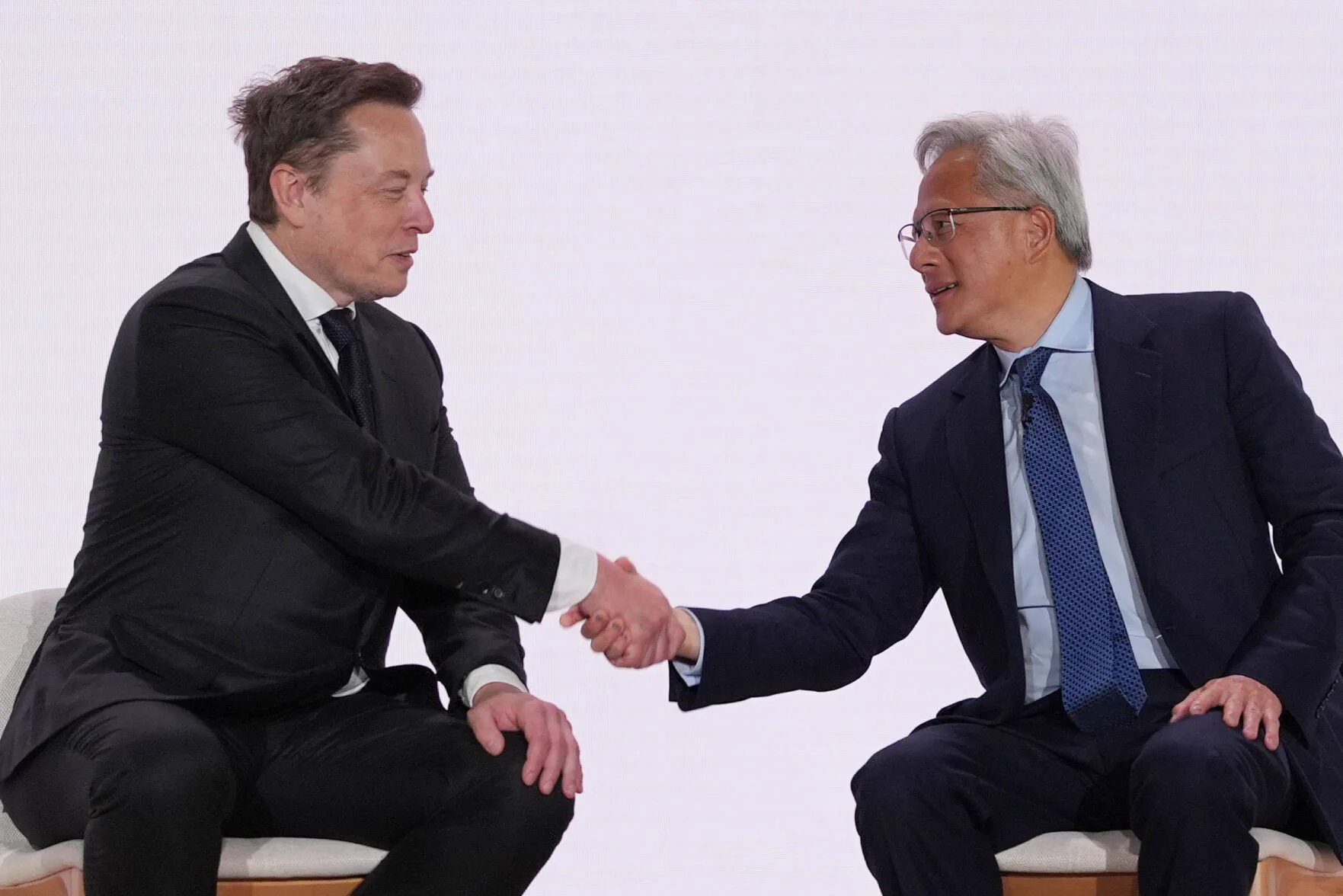
CFO Colette Kress has been named interim CEO while remaining CFO. Long-time director Harvey C. Jones becomes the company’s first board chair. Internal memos from leadership have sought to reassure staff. A company-wide meeting is scheduled for 18 November. The board says it will consider both internal and external candidates for a permanent replacement. Operational continuity, especially the Vera Rubin product ramp, is the stated priority. Silicon Valley figures are already discussing possible second acts for Huang, whose net worth has been cited in the $145 billion range and whose connections remain formidable. Elon Musk had previously floated hiring him. There is no indication he is returning to NVIDIA.
The market reaction was severe. Shares suffered multi-day declines that erased hundreds of billions in market value. Earnings on 17 November will be the first under interim leadership. The independent investigation into the intelligence allegations continues.
This is more than a Silicon Valley soap opera. NVIDIA’s GPUs power the majority of the world’s advanced AI training and inference. India’s own AI and semiconductor ambitions—endlessly advertised under Digital India and the India Semiconductor Mission—depend overwhelmingly on these chips. When the founder of the dominant supplier is forced out by personal scandals and national security questions, the vulnerability becomes obvious.
New Delhi has spent years promising self-reliance while remaining almost entirely dependent on US-designed, Taiwan-manufactured silicon controlled by a single company whose internal governance can be upended by one man’s private life. The same government that lectures citizens about Atmanirbhar Bharat has built critical digital infrastructure on platforms whose leadership can disappear overnight. No serious domestic alternative at scale exists. Export-control politics in Washington already constrain access; a prolonged succession battle or further revelations only deepen the uncertainty for Indian labs, startups, and government AI projects.
Huang’s exit is a corporate event. India’s continued inability to build credible indigenous capability is a policy failure. The servers and chips will keep running under interim management. The structural dependence will not disappear with a new NVIDIA CEO. Until that changes, every scandal in Santa Clara remains a risk to national technological sovereignty.
Disclaimer
This article discusses market and corporate developments for informational purposes. It does not constitute investment advice. Past performance and market reactions are not guarantees of future results. Readers should conduct their own research or consult qualified advisors.
Official sources
NVIDIA Board of Directors statements and SEC 8-K filing (12 November 2026); contemporaneous reporting from Reuters, TechCrunch, WIRED, The New York Times, The Guardian, CNN Business and Bloomberg on the resignation, investigation, interim leadership, and market impact.