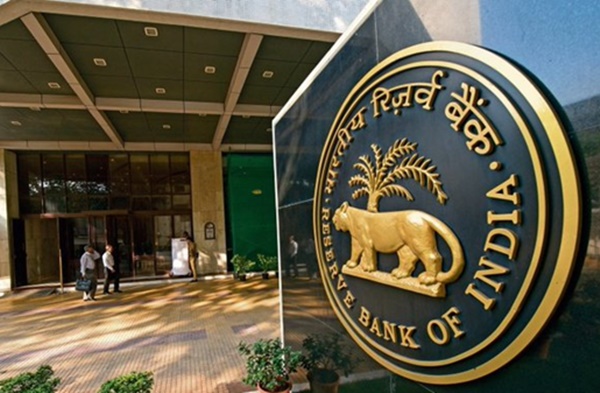
In a historic financial move, the Reserve Bank of India (RBI) will officially take charge as the banker and debt manager for the Government of the National Capital Territory of Delhi (GNCTD). This partnership, effective from 9 January 2026, marks a significant step toward professionalizing public fund management in Delhi, enhancing fiscal discipline, and ensuring efficient utilization of government resources.
1️⃣ Background: Why This Step Was Needed
Delhi’s government historically managed its finances in a fragmented and ad-hoc manner:
Cash flows were not centrally coordinated, often resulting in idle funds that earned no returns.
Emergency borrowing was sometimes unavoidable, which incurred high interest costs.
Accounting and financial planning were inconsistent with national best practices.
Other Indian states had already moved toward RBI-managed cash and debt systems, and this step brings Delhi on par with national fiscal management standards.
2️⃣ The Memorandum of Understanding (MoU)
The RBI and GNCTD signed a formal MoU detailing their responsibilities:
Official Banker: RBI will oversee all government accounts, ensuring smooth management of payments, receipts, and funds.
Debt Manager: The central bank will manage all borrowings, debt issuance, and repayments for Delhi.
Cash Flow Optimization: Idle cash will be invested efficiently in safe instruments to generate returns.
Financial Advisory: RBI will advise the government on borrowing strategies, ensuring lower financing costs.
This structured framework brings transparency, efficiency, and accountability to Delhi’s financial operations.
3️⃣ Implementation: How It Will Work
Starting 9 January 2026, the following steps will be undertaken:
Centralized Account Management: All Delhi government bank accounts will be monitored by the RBI.
Cash Flow Oversight: RBI will track inflows and outflows, ensuring idle funds are invested rather than left unutilized.
Borrowing & Debt Repayment Planning: The central bank will manage short-term and long-term borrowing, replacing ad-hoc loans with planned market borrowings.
Reporting & Transparency: Regular reports will be shared to maintain transparency and accountability for public money.
The new arrangement is expected to streamline fund management, reduce fiscal stress, and enable timely funding for public projects.
4️⃣ Benefits to Delhi Government and Public Finance
Lower Borrowing Costs: Structured debt management replaces expensive emergency loans.
Better Cash Utilization: Surplus funds will earn interest instead of lying idle.
Enhanced Fiscal Discipline: RBI’s oversight ensures systematic financial planning.
Improved Infrastructure Funding: Projects such as hospitals, transport networks, and water supply systems will have timely, cost-effective financing.
Alignment with National Standards: Delhi’s fiscal operations will now be consistent with best practices followed by other Indian states.
This approach not only strengthens the government’s financial management but also ensures that taxpayer money is used more efficiently.
5️⃣ Wider Impact and Strategic Importance
This move is more than just a procedural change:
It professionalizes Delhi’s financial governance, reducing risk and inefficiencies.
It serves as a model for other states considering similar partnerships with the RBI.
By improving fiscal stability, the city can attract more investments and development opportunities.
Long-term, it enhances public trust, as citizens can see that funds are managed transparently and effectively.
Experts believe that the RBI’s involvement will create predictable, disciplined cash flow management, reducing dependency on short-term, high-cost borrowing.
6️⃣ Challenges and Considerations
While the move brings numerous benefits, there are certain challenges:
Coordination between RBI and Delhi government departments will be critical.
Continuous monitoring and reporting systems must be maintained to avoid operational gaps.
Delhi must align its spending priorities with structured financial plans to maximize the benefits of RBI oversight.
Overall, the advantages outweigh potential challenges, especially in the context of long-term fiscal sustainability.