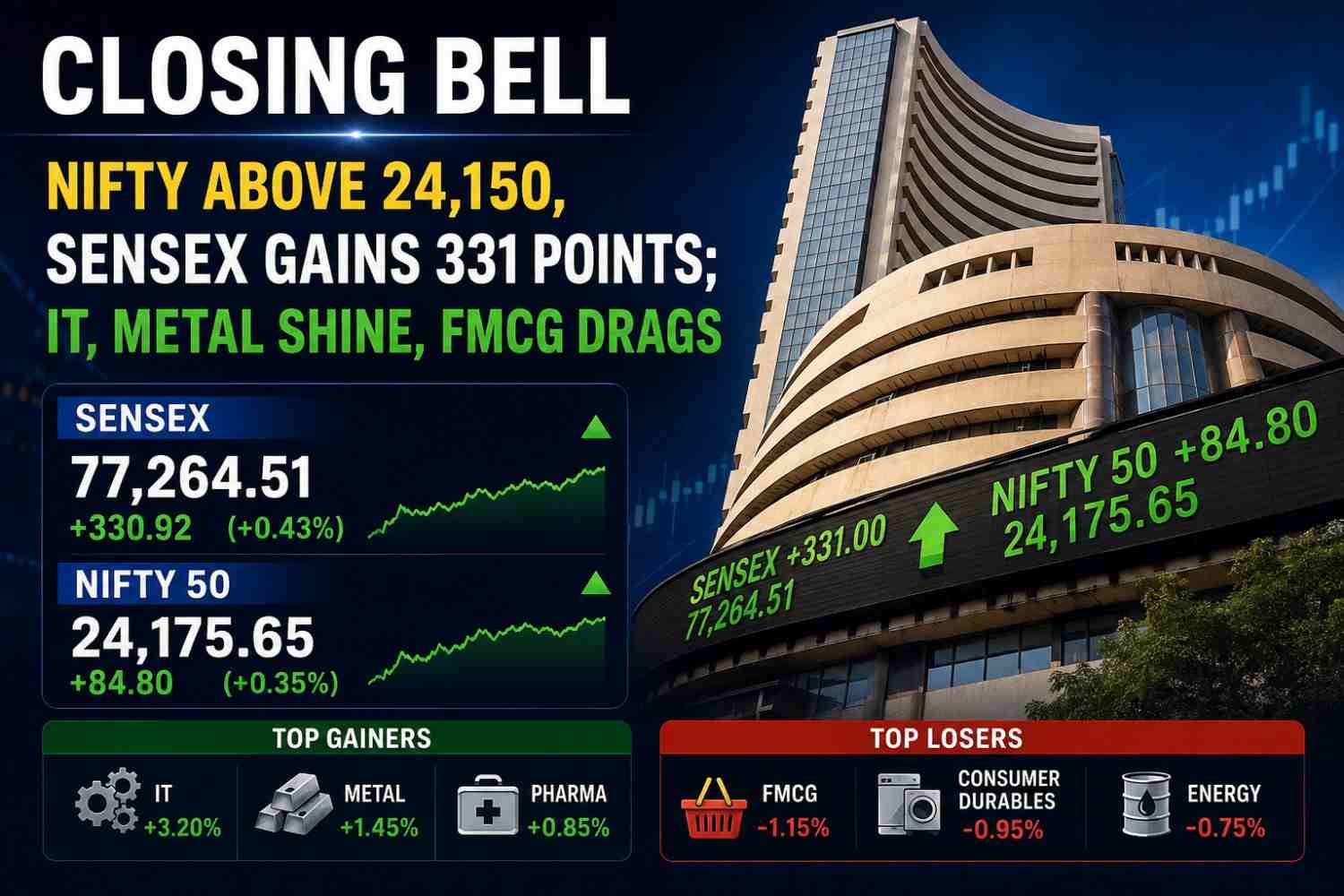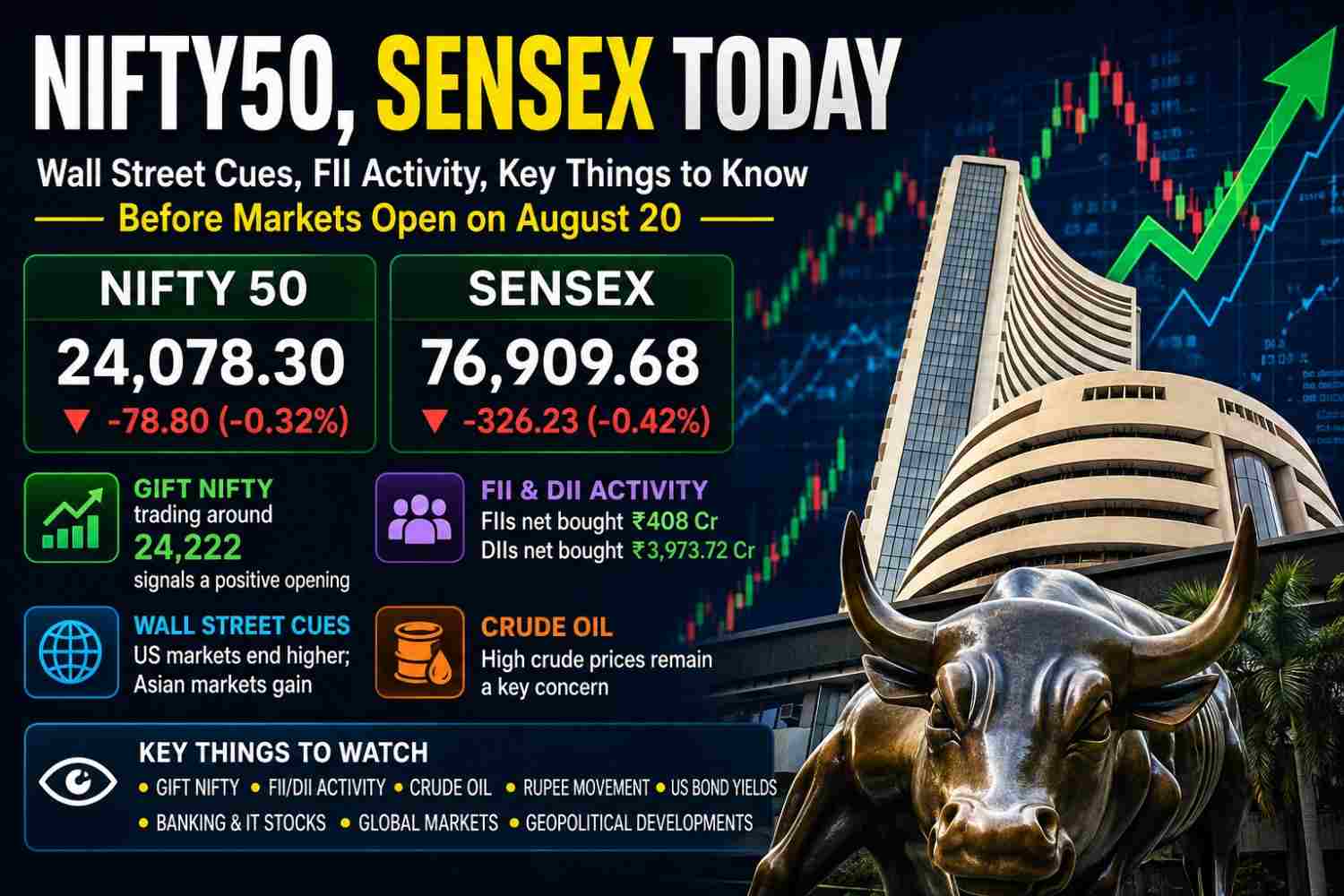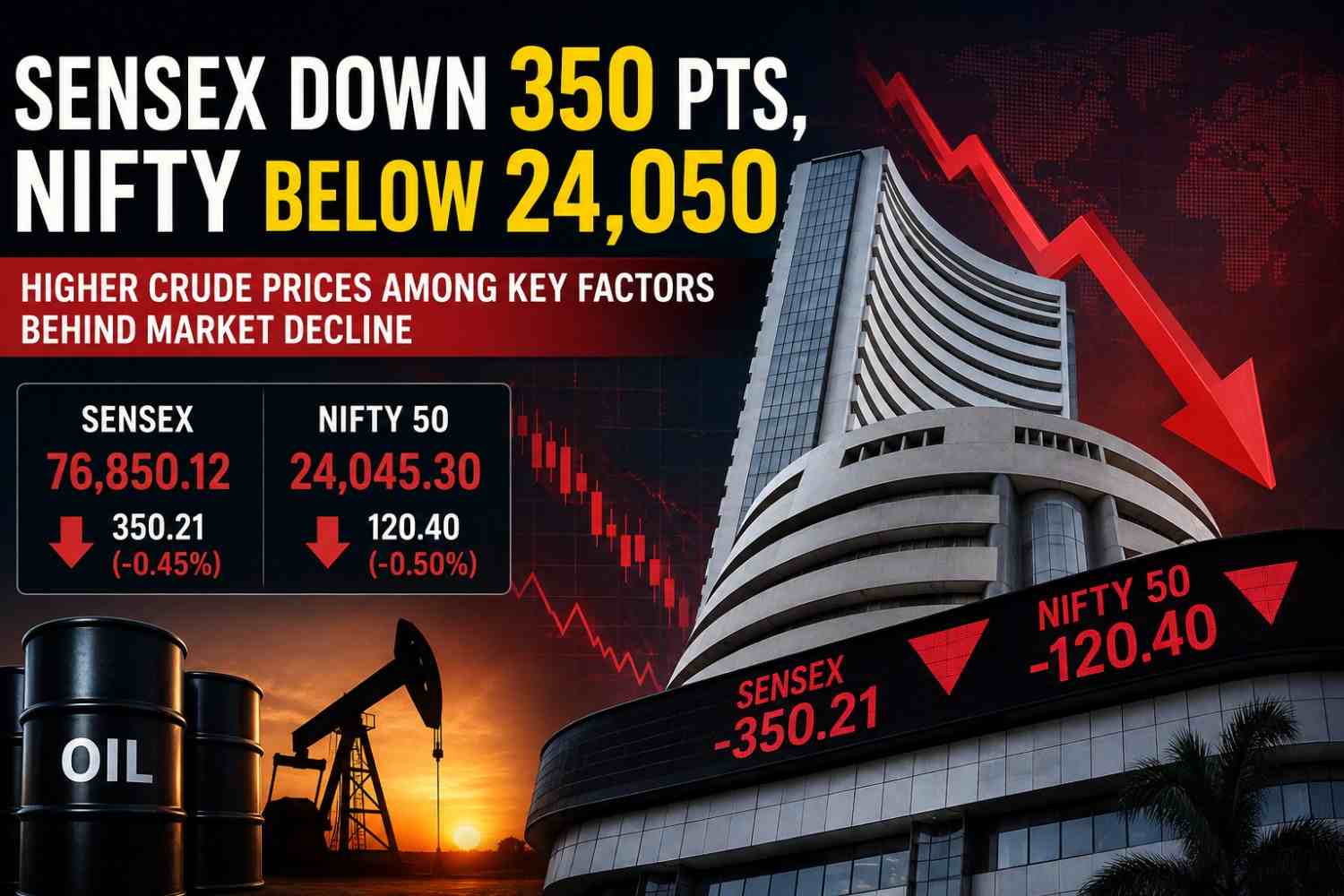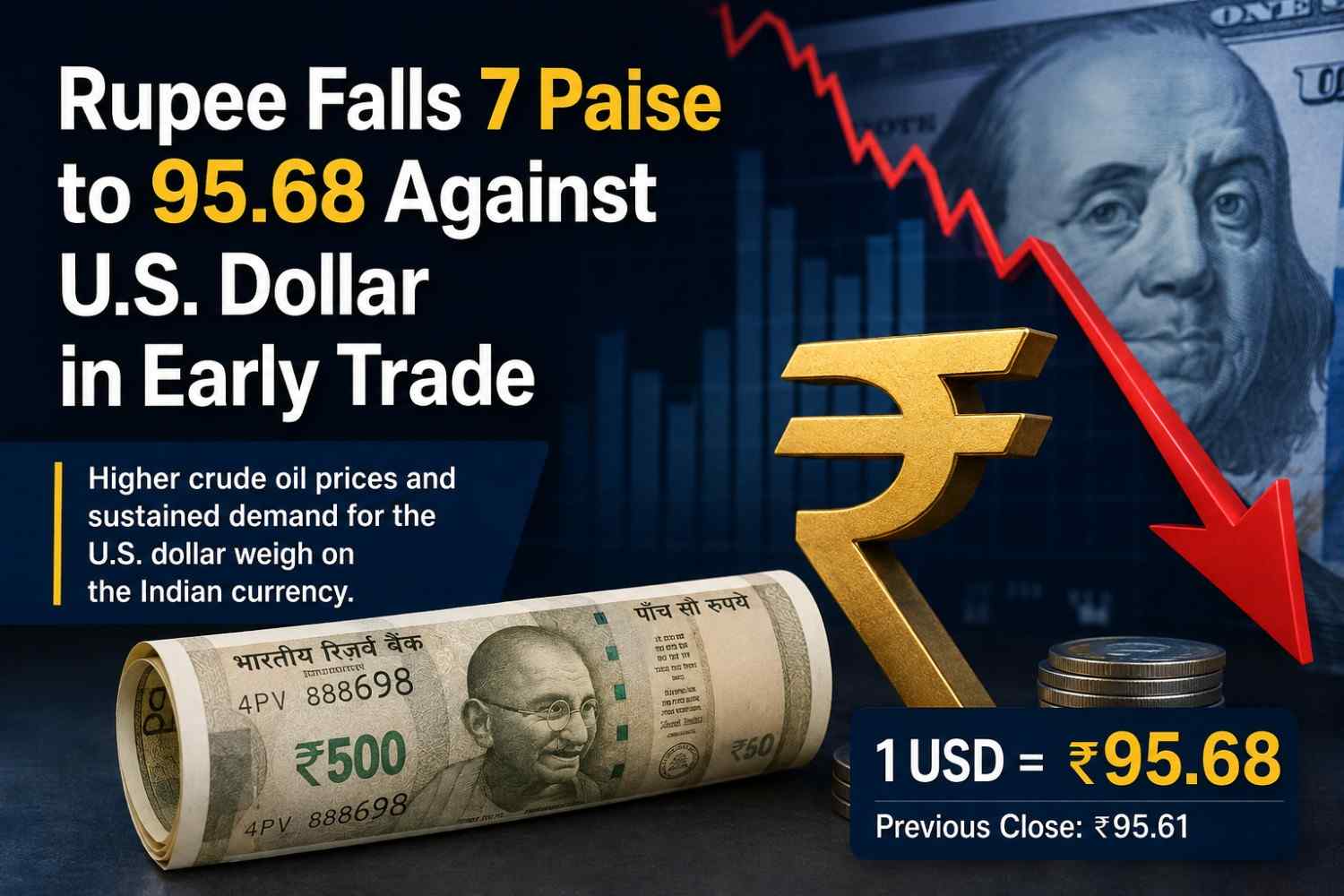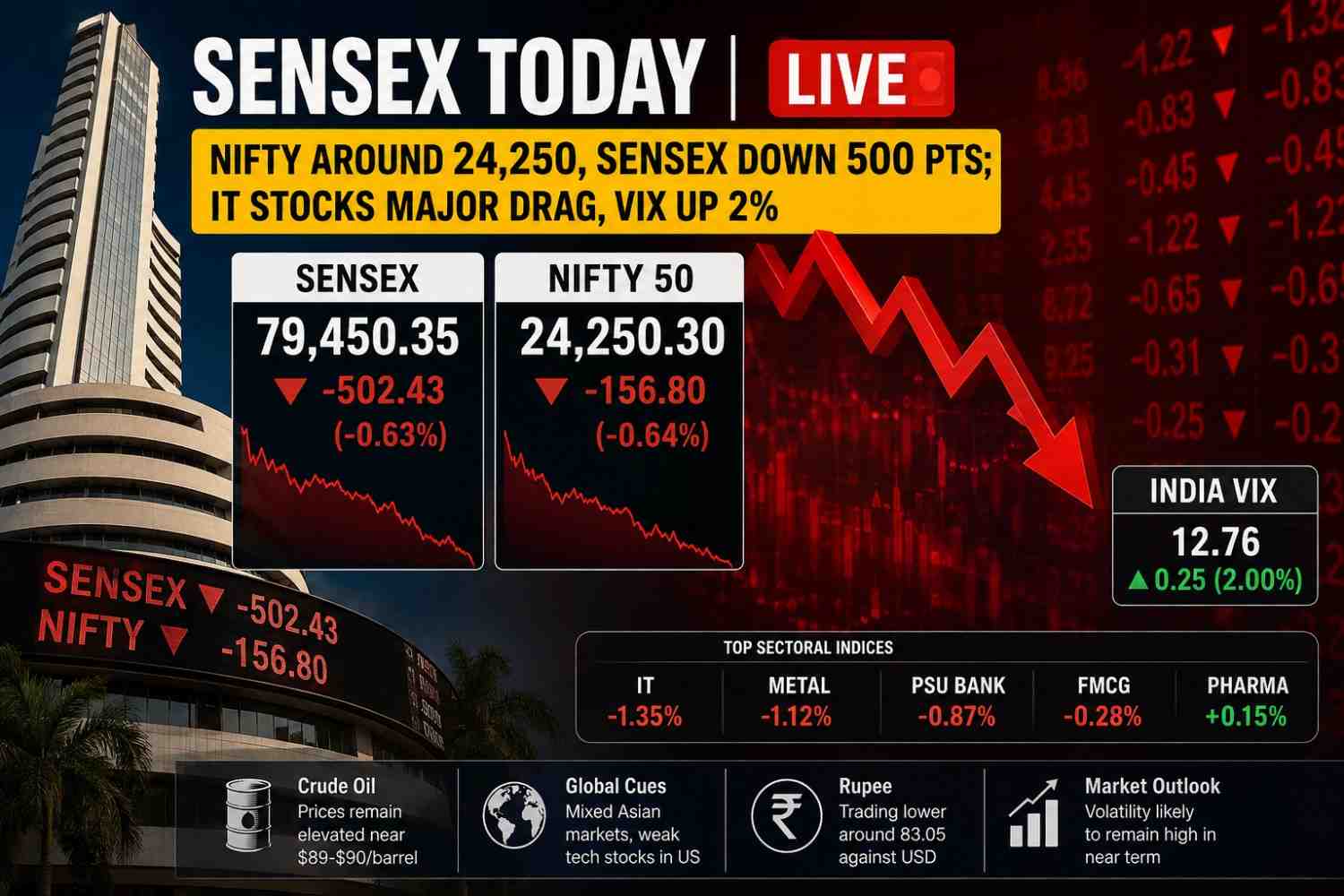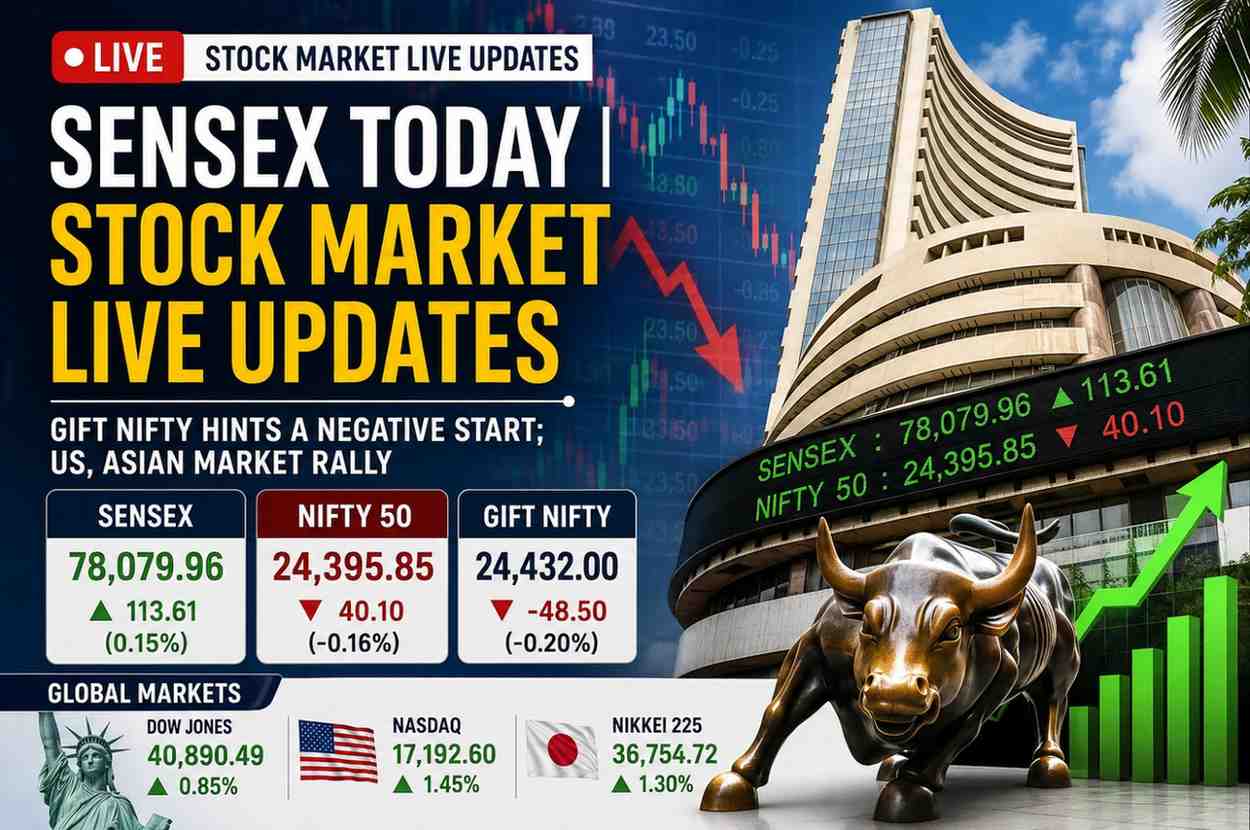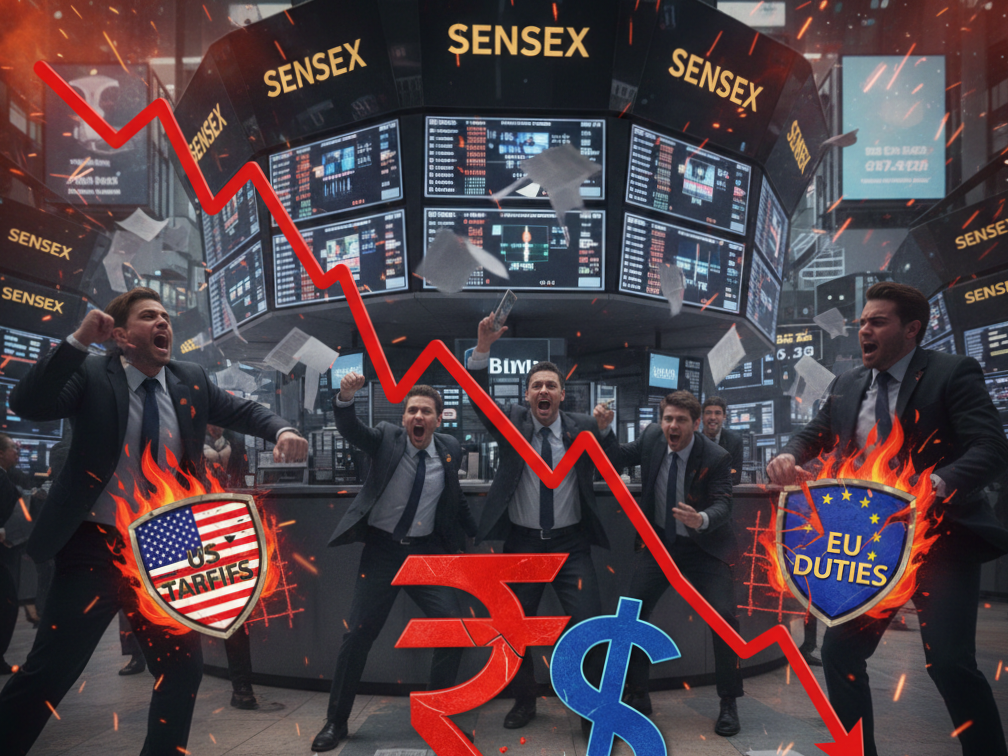
The Indian rupee plummeted to a historic closing low of 90.97 against the US dollar on Tuesday, coinciding with benchmark indices suffering their worst single-day drop in months. The BSE Sensex cratered 1,065.71 points or 1.28% to settle at 82,180.47, while the NSE Nifty 50 shed 353 points or 1.38% to end at 25,232.50. This brutal selloff vaporized nearly Rs 9 lakh crore in investor wealth, thrusting markets to two-month lows as global trade fears intensified.
Trade Tensions Fuel Risk Aversion
At the epicenter of the chaos is US President Donald Trump's ultimatum to impose steep tariffs on eight European nations—Denmark, France, Germany, the UK, and the Netherlands—absent a deal for the US to acquire Greenland. These duties begin at 10% from February 1, escalating to 25% by June 1, stoking apprehensions of a full-blown transatlantic trade war. "The aggressive and often unpredictable use of tariffs by the US administration as a foreign policy tool is creating widespread unease among global market participants," observed Ponmudi R, CEO of Enrich Money.
Markets remain on tenterhooks ahead of a pivotal US Supreme Court verdict on the legality of Trump's emergency powers for tariffs, with prediction platforms pegging a 70% chance of an adverse ruling for the administration. Dr. VK Vijayakumar, Chief Investment Strategist at Geojit Investments, cautioned that a negative outcome could "change the scenario completely overnight," potentially easing pressures but amplifying short-term volatility.
Rupee Under Siege From Foreign Outflows
The rupee's woes deepened as it opened at 90.91, grazed an intraday trough of 91.06, and closed at 90.97 following five successive sessions of decline totaling around 1%. Foreign institutional investors (FIIs) have unleashed a barrage, offloading over Rs 29,315 crore (about $3 billion) in Indian equities during January 2026 alone, with Monday's net sales hitting Rs 3,262.82 crore. "Foreign investors have withdrawn more than USD 3 billion from Indian equities so far in January, and the steady outflow has made the rupee increasingly sensitive to even modest dollar demand," explained Amit Pabari, Managing Director of CR Forex Advisors. This relentless FII exodus has amplified the currency's vulnerability amid surging dollar demand from importers and oil refiners.
IT Stocks Lead Sectoral Carnage
The information technology sector absorbed the heaviest blows, with the Nifty IT index plummeting nearly 2%. LTIMindtree tanked over 6% on disappointing quarterly earnings, while Wipro slid almost 3% after issuing bleak Q4 guidance. Heavyweights like TCS, Infosys, and HCLTech also closed sharply lower, dragging the broader market deeper into the red. In a classic flight to safety, gold rocketed beyond $4,700 per ounce to a record peak, with silver vaulting above $95 per ounce, underscoring entrenched investor jitters.
Outlook: Volatility to Persist
Analysts foresee sustained turbulence as trade uncertainties linger and FII outflows show no signs of abating, compounded by IT sector headwinds from earnings disappointments. Clarity on US court rulings, tariff negotiations, and foreign fund stabilization remains critical for any rebound. Investors are advised to monitor global cues closely while favoring defensive assets like gold amid this high-risk environment.
"The decisions we make today will shape the world for generations to come."