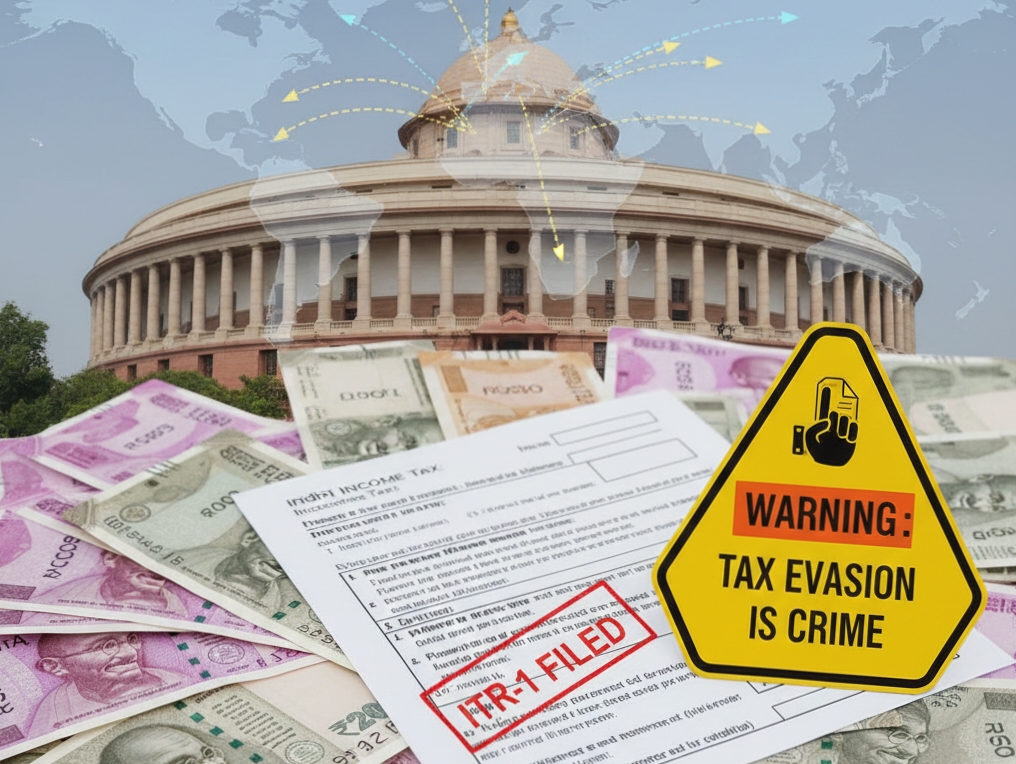
As India gears up for the Union Budget 2026-27 on February 1, 2026, top tax experts urge Finance Minister Nirmala Sitharaman to avoid hiking income tax surcharges on high earners or reviving wealth tax. Such measures risk triggering capital flight to low-tax destinations, exacerbating fiscal shortfalls from GST cuts and lower tax collections estimated at Rs 2 lakh crore this year .
Current Tax Structure
Under existing rules, surcharges apply progressively: 10% on income above Rs 50 lakh to Rs 1 crore, 15% up to Rs 2 crore, 25% up to Rs 5 crore (new regime), and 37% beyond Rs 5 crore (old regime). This brings the top marginal rate to 39% post-2023 cuts from 42.7% .
Fiscal Pressures Mount
With defence spending demands rising and revenue gaps widening, experts like Deloitte's Alok Agrawal see surcharge hikes as unlikely within three years of the last reduction. PwC's Amit Rana warns prohibitive rates could push super-rich abroad in a globally mobile world.
Capital Migration Risks
EY India's Surabhi Marwah stresses tax stability over steep rates to retain talent and capital, noting uncertainty drives residency shifts. Shardul Amarchand Mangaldas' Gouri Puri adds hikes could stifle entrepreneurship and jobs.
Wealth Tax Rejection
Abolished in 2015 due to high administrative costs exceeding revenues, wealth tax revival faces strong opposition. Experts prefer surcharge tweaks using GST data and global info-sharing over complex asset valuations .