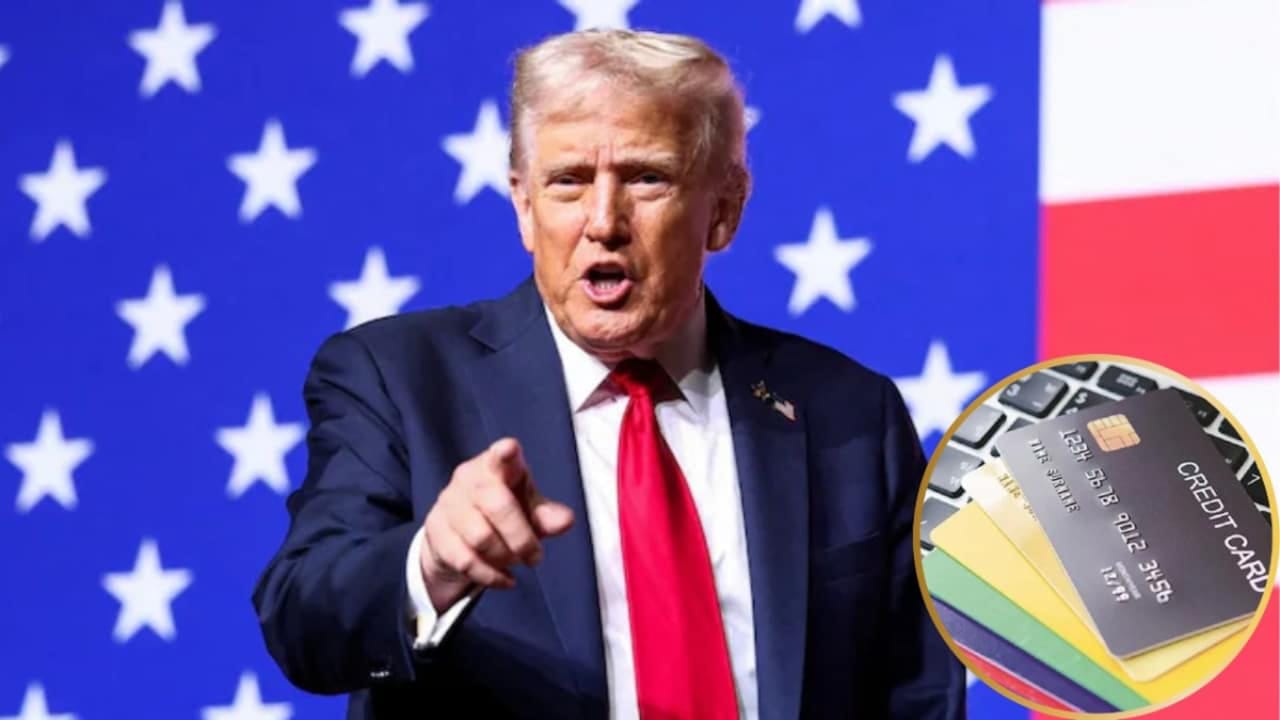
The global financial world was jolted this week after U.S. President Donald Trump announced a proposal to cap credit-card interest rates at 10% for one year, beginning January 20, 2026. The move, aimed at reducing the burden of soaring debt on American households, has instantly become one of the most debated financial policy ideas of the year.
With U.S. credit-card rates hovering at historic highs, many consumers have been trapped in a cycle where most of their monthly payments go toward interest rather than the principal. Trump’s proposal is designed to break this cycle and put more money back into people’s pockets.
Why This Proposal Matters So Much
Credit cards have become a lifeline for millions of Americans, especially after inflation pushed up food, fuel, and housing costs. But that lifeline has come with a heavy price. In many cases, borrowers are paying interest rates exceeding 20% to 30% annually, making even small balances extremely expensive over time.
Trump’s proposal would slash those rates down to 10%, offering immediate relief to households struggling with mounting debt. For families living paycheck to paycheck, this could mean lower monthly bills, reduced stress, and a real chance to escape long-term debt.
How the Policy Could Work
The proposed cap would apply to all credit-card issuers across the U.S. for a fixed period of one year. During this time, banks and card companies would not be allowed to charge more than 10% annual interest on outstanding balances.
The idea is to give consumers breathing room while the economy stabilizes and inflation cools. Trump has framed it as a temporary but powerful measure to protect Americans from what he calls “unfair and excessive financial charges.”
Banks Are Not Happy
While consumers may welcome the move, banks and credit-card companies see it very differently.
Credit cards are one of the most profitable products in the U.S. financial system. High interest rates compensate banks for lending to customers with varying levels of risk. A strict cap could sharply reduce their earnings and force them to change how they operate.
Many financial institutions warn that if the cap is imposed, they may:
Reduce credit limits
Cancel cards for high-risk users
Tighten approval rules
Increase fees or reduce rewards
In simple terms, borrowing may become cheaper — but also harder to get.
Impact on the Stock Market
The proposal has already made investors nervous. Shares of major U.S. banks and credit-card issuers could face pressure because a large portion of their profits comes from interest income. If earnings decline, stock prices may fall, affecting portfolios and pension funds.
On the other hand, consumer-focused companies could benefit. If people pay less interest, they may have more money to spend on goods, travel, and services — boosting the wider economy.
Political and Legal Reality
While the announcement is powerful, it does not automatically make the cap law. For the proposal to take effect, it would require legislative or regulatory approval. This means intense political debate is expected in Washington, with strong opposition from the banking lobby.
Even so, the message is clear: the U.S. government is under growing pressure to act against rising household debt.
The Bigger Picture
Trump’s credit-card interest cap is more than just a financial policy — it’s a signal that economic stress is becoming a political issue. Rising debt, shrinking savings, and high interest rates are pushing leaders to explore bold solutions.
Whether this proposal becomes law or not, it has already shifted the conversation. The question is no longer whether credit-card rates are too high — it is how far the government is willing to go to bring them down.