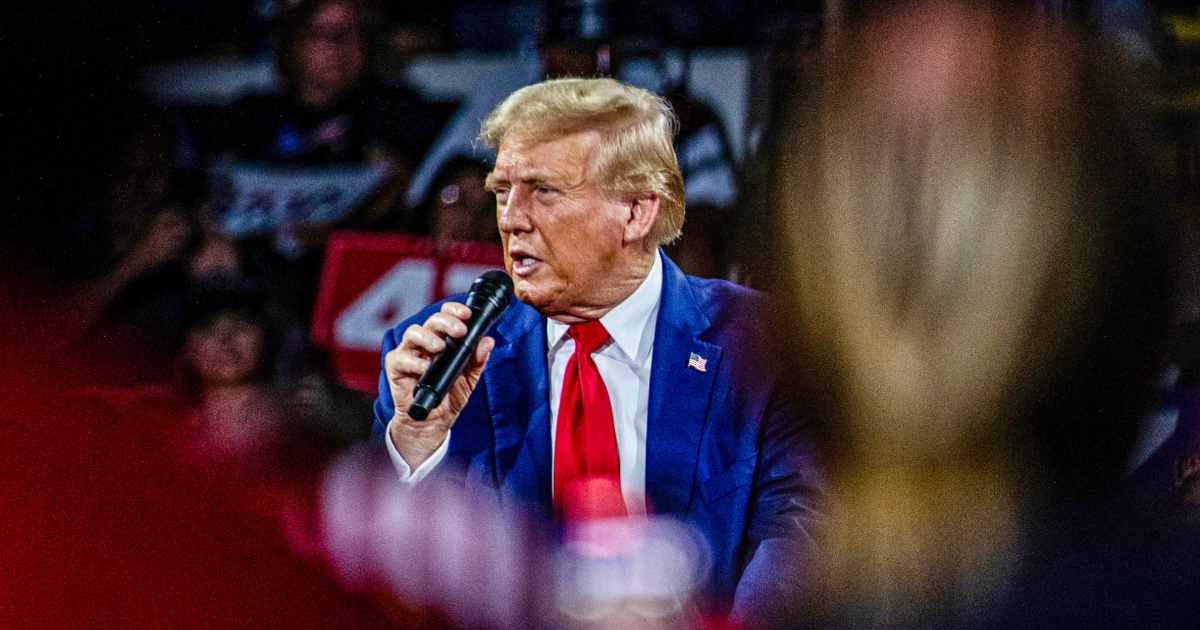
In a move that has reignited discussions around consumer protection and financial regulation, U.S. President Donald Trump has called for a one-year cap on credit card interest rates at 10%, aiming to ease the burden of high borrowing costs on American households. The proposal, announced via his social media platform, is positioned as a temporary relief measure for consumers struggling with record-high interest charges.
Rising Credit Card Burden in the U.S.
Credit card debt in the United States has crossed the $1 trillion mark, while average interest rates on cards often exceed 20%, making it one of the most expensive forms of consumer borrowing. With inflation pressures and everyday expenses remaining elevated, millions of Americans rely on credit cards for short-term liquidity, only to find themselves trapped in long-term repayment cycles due to high interest.
Trump’s proposed cap is designed to address this issue directly by significantly lowering the cost of revolving credit, at least for a limited period.
What the Proposal Includes
According to the announcement, the interest rate cap would:
Limit credit card interest to 10%
Apply for one year, starting January 20, 2026
Be framed as a consumer-friendly affordability initiative
However, the proposal currently lacks details on implementation, enforcement mechanisms, or legal authority, raising questions about how — or if — it can be executed in its current form.
Legal and Political Challenges
Financial experts point out that credit card interest rates are regulated through federal and state laws, and any mandatory cap would likely require Congressional approval. While similar ideas have been proposed in the past by lawmakers across party lines, none have successfully passed into law.
Without legislative backing, the proposal remains a policy signal rather than an enforceable rule. This has led analysts to view the announcement as both an economic statement and a political message aimed at voters concerned about rising living costs.
Impact on Consumers and Banks
If implemented, a 10% cap could provide substantial savings for consumers, freeing up disposable income and reducing the long-term burden of debt. Some studies suggest that such a cap could save borrowers billions of dollars annually in interest payments.
On the other hand, banks and credit card issuers argue that strict rate limits could:
Reduce access to credit for higher-risk borrowers
Lead to tighter lending standards
Encourage fees or alternative charges to compensate for lost interest income
As a result, the financial industry is expected to scrutinize the proposal closely.
Market and Investor Reaction
Financial markets have so far reacted cautiously. Banking stocks showed limited movement, reflecting skepticism about whether the proposal will translate into actual policy. Investors generally wait for concrete legislative steps before pricing in long-term impacts.
Bigger Picture
The announcement highlights a growing global debate on fair lending practices, consumer debt sustainability, and the balance between profitability and protection. Whether Trump’s proposal becomes law or not, it has already placed credit card interest rates firmly back into the public policy spotlight.