The renewed dispute between the United States and Greenland has emerged as a major geopolitical flashpoint in early 2026, after former U.S. President Donald Trump reiterated strong statements regarding America’s strategic interest in Greenland. His remarks, accompanied by warnings of potential trade tariffs on European nations, have triggered sharp reactions across the European Union (EU) and raised fresh concerns over the stability of the NATO alliance.
Greenland, an autonomous territory of Denmark, holds growing importance due to its strategic Arctic location, vast natural resources, and military significance. As global powers increase their presence in the Arctic region, Greenland has become central to long-term security and economic strategies. However, Europe has firmly rejected any attempt to exert pressure over its sovereignty.
What Sparked the Conflict?
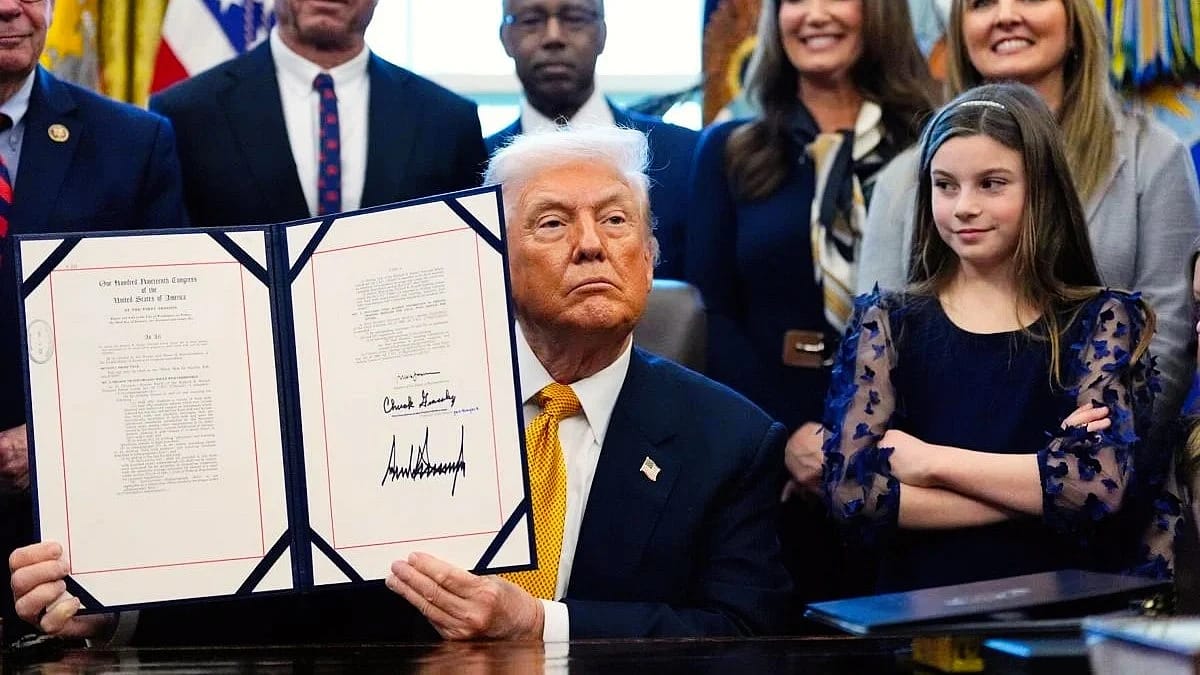
Donald Trump has repeatedly argued that Greenland is critical to U.S. national and global security, citing rising activity by Russia and China in the Arctic. In recent statements, he suggested that if American strategic interests are ignored, the U.S. could consider imposing tariffs on European imports, escalating economic pressure on EU nations.
These remarks were perceived in Europe as economic coercion and diplomatic overreach. Denmark and Greenland responded swiftly, making it clear that Greenland is not for sale and that its future will be decided solely by its people, in accordance with international law.
Strong EU and NATO Response
European leaders reacted with rare unity. France, Germany, the Nordic countries, and the European Commission issued firm statements defending Denmark’s sovereignty and warning against any threats to territorial integrity.
The dispute has also placed NATO under strain. Denmark is a long-standing NATO member, and Greenland plays a crucial role in North Atlantic defense architecture. European officials warned that continued pressure from the U.S. could undermine trust within the alliance and weaken collective security at a time of heightened global uncertainty.
Diplomatic analysts describe the situation as one of the most serious transatlantic disagreements in recent years.
Impact on Global Financial Markets
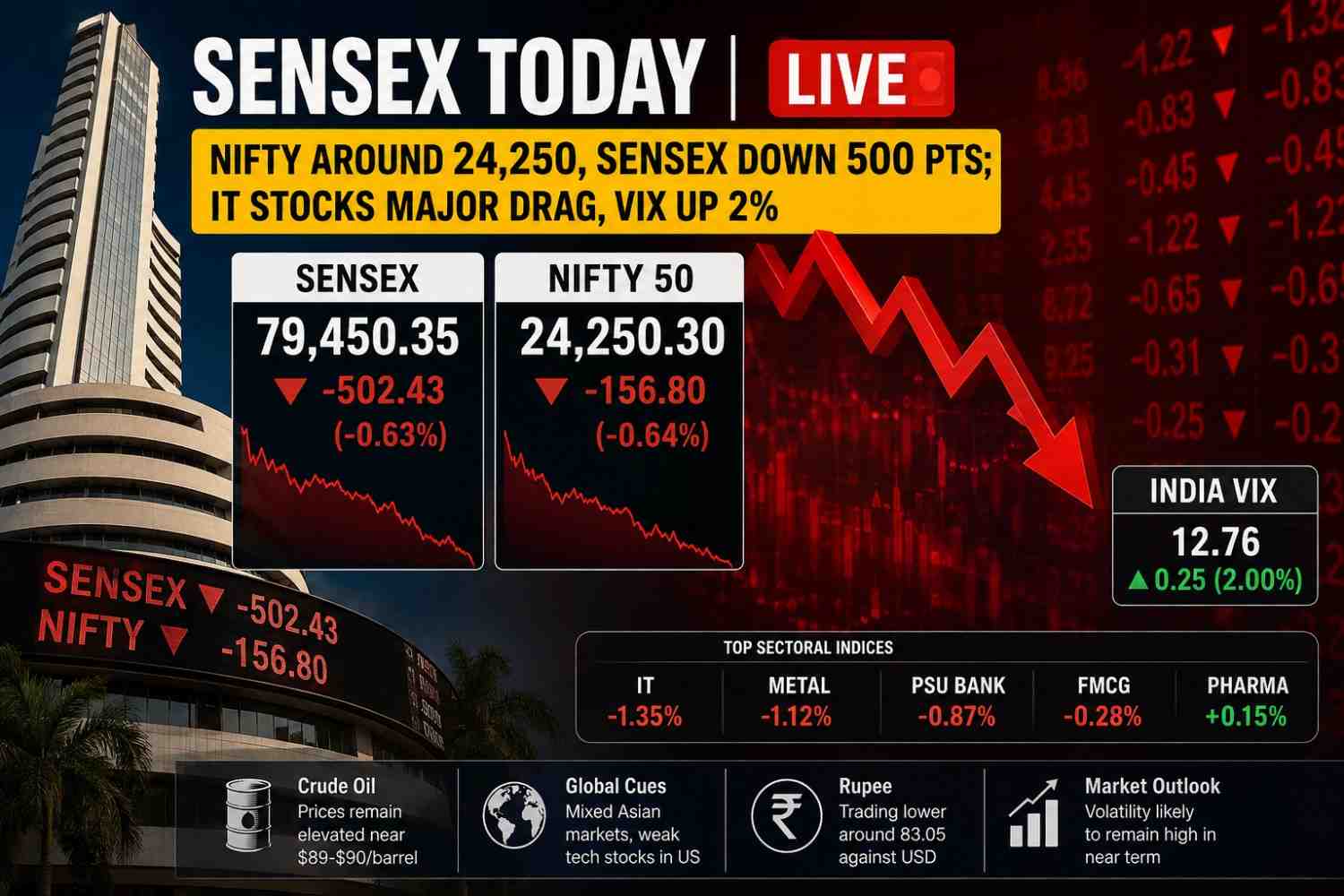
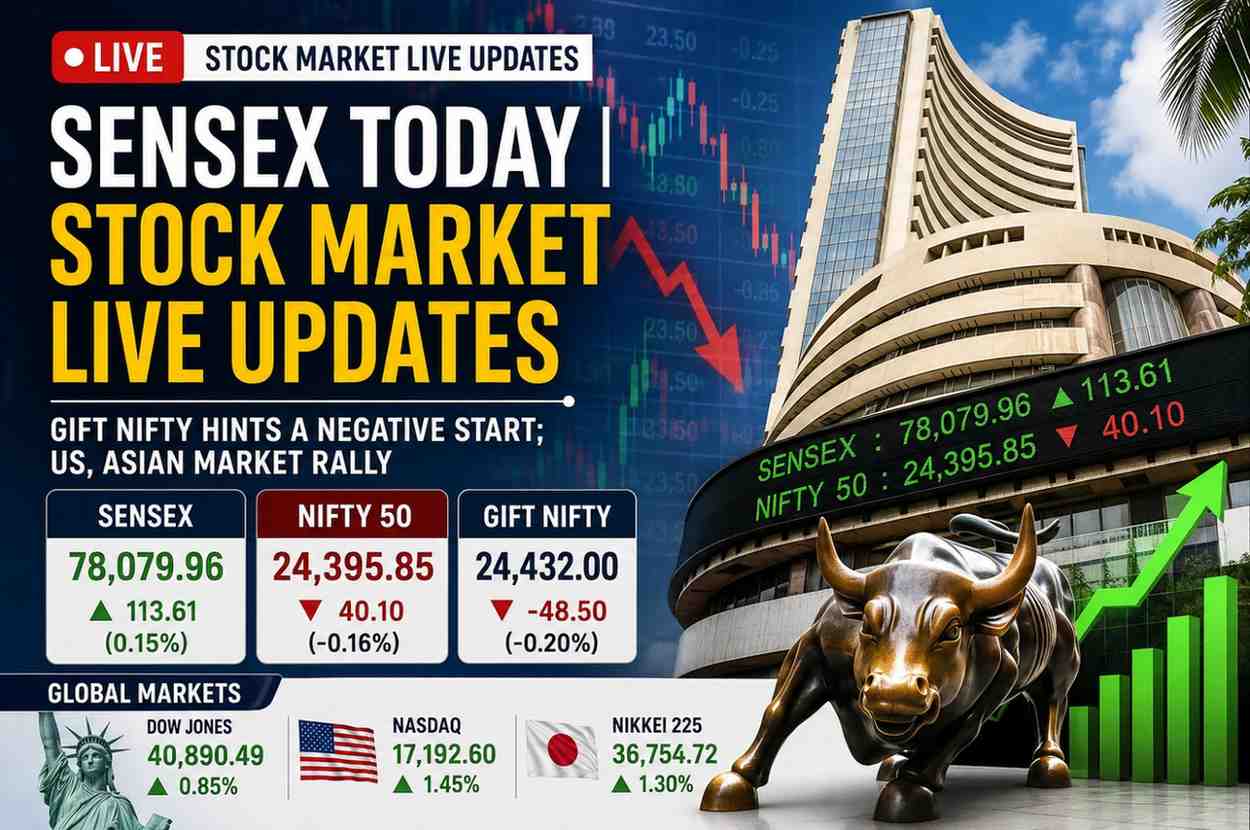
The geopolitical tension quickly spilled over into global markets, triggering a risk-off sentiment among investors.
Equity Markets
U.S. stock indices faced selling pressure amid fears of trade disruption
European markets declined as investors priced in tariff risks
Asian markets opened lower, reflecting global uncertainty
Safe-Haven Assets
Gold and silver prices surged, as investors sought protection from geopolitical risk
Demand for defensive assets increased sharply
Currency Movements
The U.S. dollar weakened against major currencies
The euro and other relatively stable currencies gained modest support
Overall, market volatility rose as investors reassessed geopolitical and trade risks.
Investor Sentiment and Volatility
Institutional investors and fund managers responded cautiously:
Exposure to high-risk assets was reduced
Cash and defensive sectors gained preference
Short-term investments slowed due to policy uncertainty
Market experts note that geopolitical threats, even without immediate action, can significantly affect corporate earnings outlooks, trade flows, and global growth expectations.
What Lies Ahead?
The direction of markets and diplomacy will depend on:
Whether the U.S. and EU move toward dialogue
If tariff threats escalate into concrete trade measures
How NATO manages internal tensions
A diplomatic resolution could stabilize markets, while further escalation may lead to prolonged volatility, trade disruptions, and economic uncertainty.
"The decisions we make today will shape the world for generations to come."