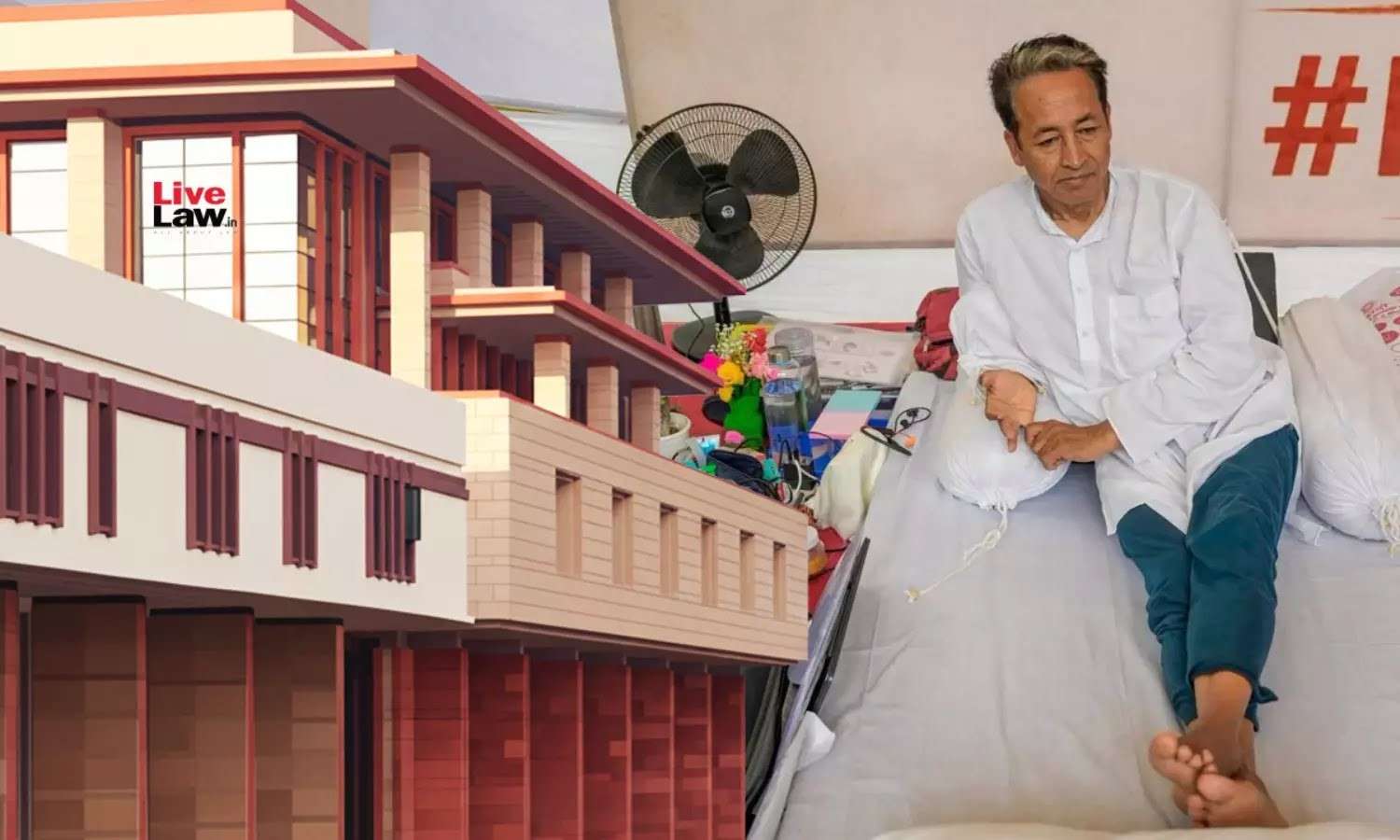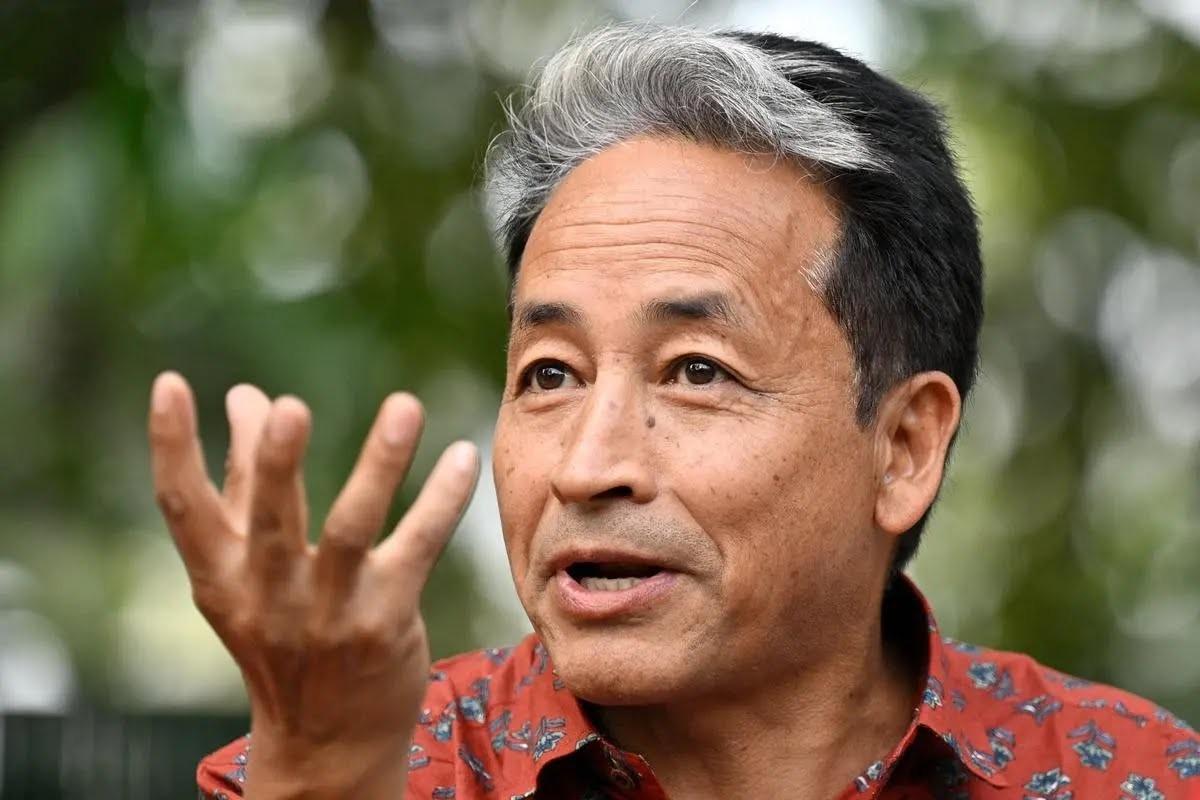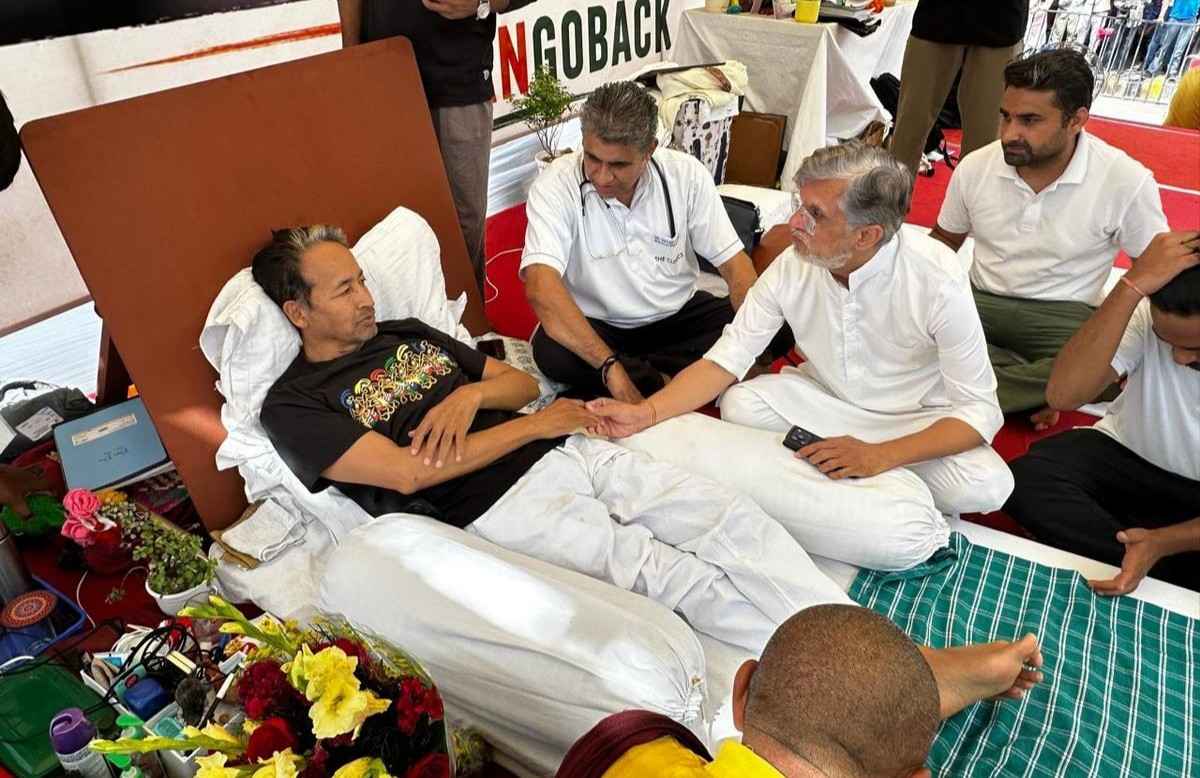
In the sweltering heat of Delhi's Jantar Mantar, a familiar figure sits cross-legged, his frame visibly thinner, eyes sharp with the fire of conviction. Sonam Wangchuk, the renowned Ladakhi innovator, educator, and climate warrior known for his real-life inspiration behind 3 Idiots, has turned a student-led agitation into a national reckoning. On July 17, 2026—marking roughly 20 days into his indefinite hunger strike—he delivered a message laced with dark humor and iron resolve: he would stay alive by any means until July 20 to lead the "Chalo Sansad" march to Parliament.
This isn't just another protest. It merges two potent streams: outrage over repeated examination scandals, particularly NEET-UG leaks and irregularities that have shattered student lives, and Wangchuk's long-standing fight for Ladakh's constitutional protections, environmental safeguards, and greater autonomy following its bifurcation into a Union Territory. The Cockroach Janta Party (CJP), a youth-driven movement that began its sit-in on June 20, provided the platform. Their core demands include the resignation of Union Education Minister Dharmendra Pradhan, accountability for systemic failures in bodies like the National Testing Agency, and compensation for families of students who allegedly died by suicide amid the chaos.
Wangchuk joined on June 28 after setting a deadline, visiting Rajghat to invoke Gandhi's legacy of non-violent resistance. He has been explicit: education has been his mission for four decades, and silence was not an option when students' futures were gambled away. His fast also amplifies Ladakh's pleas for Sixth Schedule protections to shield its fragile ecology and culture from unchecked development, especially in a strategically vital border region.
Health updates paint a sobering picture. By mid-July, Wangchuk had lost over 8 kg, with fluctuating blood sugar, low blood pressure, and signs of muscle wasting. Doctors monitor him closely, yet he reports stabilizing hunger pangs after the initial brutal phase, insisting he feels energetic enough to continue. Supporters like CJP founder Abhijeet Dipke have voiced alarm—"lives at stake"—while Wangchuk urges others not to treat him as a hero. "Be your own hero," he has said, calling for widespread participation rather than passive solidarity.
Why has this struck such a chord? India's competitive exam system, meant as a merit-based ladder, has repeatedly faltered—paper leaks, grace marks controversies, and logistical nightmares eroding public trust. For millions of aspirants and their families, especially in smaller towns and rural areas, a single flawed test can derail dreams, pushing some to despair. Wangchuk's involvement elevates it from a sectoral grievance to a broader indictment of governance: when institutions fail the young, where does accountability lie? The protest also highlights how environmental and regional concerns in places like Ladakh intersect with national education and youth aspirations—melting glaciers and cultural erosion there mirror the "leaks" in systems meant to nurture India's demographic dividend.
The timing adds urgency. July 20 marks the Monsoon Session's start, and the planned peaceful march from Jantar Mantar to Parliament aims to pressure MPs directly. Organizers invite students, parents, and citizens nationwide, framing it as a democratic assertion rather than confrontation. Opposition voices have shown interest, while allegations of police restrictions—like curtailed facilities at the site or house arrests for farmer leaders—fuel narratives of suppression.
Critics might question the methods or point to government responses like re-tests, but the persistence reveals deeper disillusionment. Wangchuk's personal history—of multiple fasts, detentions, and innovations like ice stupas for water conservation—lends authenticity. He embodies a rare blend: practical problem-solver and moral voice, reminding us that true patriotism includes holding power to account without violence.
As the deadline looms, the stakes transcend one man's health. Will this spark meaningful reforms—stricter exam security, transparent oversight, dialogue on Ladakh—or fizzle into another footnote? Wangchuk's stand, blending personal sacrifice with collective call, underscores a timeless truth: in a vibrant democracy, citizen pressure remains the ultimate check. The coming days, especially July 20, could define whether India's youth see hope restored or further alienation. His quip about returning "as a ghost" if needed captures the defiance—and the desperation—for systemic change that outlasts any single protest.
"The decisions we make today will shape the world for generations to come."