November 20, 2026
Canada and Japan are strengthening their international trade and economic partnerships as growing tensions and uncertainty between the United States and China reshape the global economic landscape. Both countries are seeking new opportunities with regional and international partners to reduce dependence on major economies and protect their long-term economic interests.
The latest developments highlight a growing trend among middle powers to diversify trade relationships, secure critical resources and strengthen economic resilience amid increasing geopolitical competition.
Canada Expands Trade Relations Across Asia
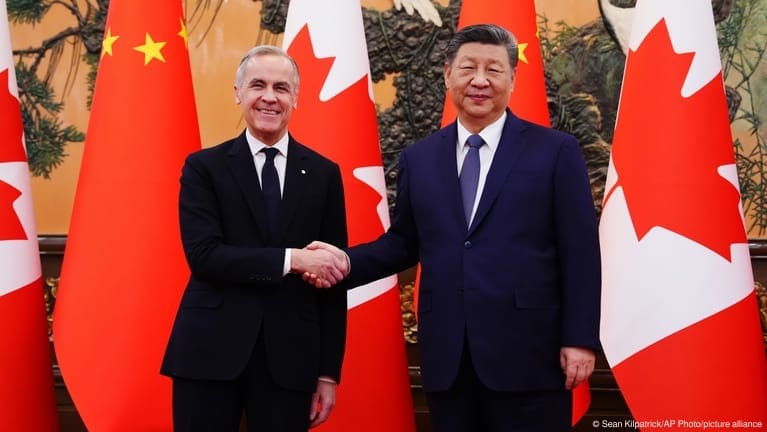
Canadian Prime Minister Mark Carney is pursuing stronger economic relationships across the Indo-Pacific region. Canada has been expanding its engagement with Southeast Asian countries, including the Philippines, while moving closer to a separate economic agreement with the Association of Southeast Asian Nations (ASEAN).
During discussions with Chinese President Xi Jinping in Shenzhen, Carney also agreed to extend an existing tariff arrangement through 2028. Under the arrangement, China expanded tariff relief for an additional C$400 million worth of Canadian goods, including pork and prawns. Canada also agreed to lower barriers on certain Chinese steel and aluminium imports.
These developments reflect Canada's efforts to diversify its export markets and create additional opportunities for domestic businesses.
Japan Focuses on Critical Minerals and Supply Chain Security
Japan is following a different approach as diplomatic tensions with China continue to affect relations between the two countries.
Prime Minister Sanae Takaichi has been working to strengthen economic cooperation with ASEAN countries and South Korea. Discussions have focused on critical minerals, energy security and supply chain resilience.
Critical minerals are essential for manufacturing electric vehicle batteries, semiconductors, advanced electronics and defence equipment. Japan's efforts to secure alternative supplies are aimed at reducing vulnerabilities and protecting important industries from potential trade disruptions.
Japan is also expanding cooperation with European partners, including Britain, Italy and France, particularly in defence technology and rare-earth supplies.
Canada and Japan Deepen Bilateral Cooperation
Canada and Japan are also strengthening their own economic relationship. Both countries recognise the importance of reliable supply chains, technological development and access to strategic resources.
Their cooperation includes critical minerals, battery production, clean energy, advanced technology and defence industries.
In November, Canadian and Japanese government and industry representatives reaffirmed their commitment to strengthening battery supply chains during a meeting in Ottawa. The discussions focused on investment opportunities, research and development, battery manufacturing and cooperation across the supply chain.
Japan is already an important economic partner for Canada. In 2025, Canadian merchandise exports to Japan reached C$14.6 billion, while imports from Japan totalled C$21.1 billion.
US-China Rivalry Reshapes Global Trade
The growing competition between Washington and Beijing has encouraged several countries to reconsider their economic dependencies.
Trade restrictions, tariffs and geopolitical disagreements have increased uncertainty for businesses operating across international markets. As a result, governments are looking beyond traditional trading partners to establish alternative markets and secure essential resources.
Canada and Japan are attempting to strengthen their international positions through wider economic and diplomatic relationships rather than relying exclusively on a small number of major powers.
However, their strategies differ. Canada has greater flexibility to pursue economic engagement with China, while Japan continues to depend heavily on its security alliance with the United States.
What Lies Ahead?
The expanding cooperation between Canada, Japan and other international partners could reshape important areas of global trade, particularly energy, technology, manufacturing and critical minerals.
Both countries will need to turn diplomatic agreements into practical business opportunities, investment and long-term economic growth.
Although stronger partnerships cannot completely eliminate dependence on major economies, they can provide additional options during periods of international uncertainty.
The latest developments underline an important shift in global diplomacy: middle powers are increasingly working together to protect their economic interests and build a more diversified international trading system.