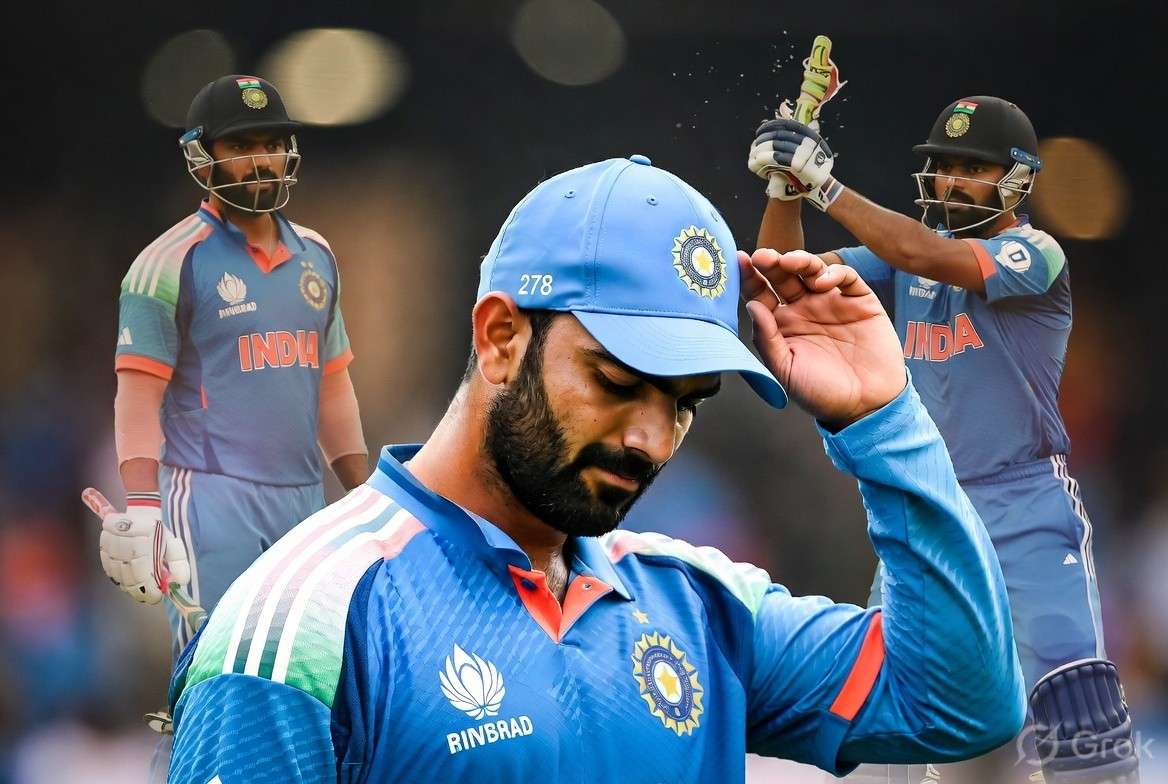
Ajinkya Rahane has drawn the curtain on his international career. On 30 July 2026 the 38-year-old announced his retirement from all forms of cricket with a simple, dignified message: “Cap 278 signing off.” The Mumbai batsman who wore the India jersey with quiet steel rather than flash has stepped away after more than a decade of service.
His numbers tell only part of the story. In 85 Tests he scored 5,077 runs at an average of 38.46, including 12 centuries. In ODIs he managed 2,962 runs across 90 matches. The T20I returns were modest. Yet the true measure of Rahane lay in the moments that demanded character. The 103 at Lord’s, the 112 and 147 at the MCG, the leadership that turned a 0-1 deficit into a 2-1 series victory in Australia in 2020-21 — India’s first Test series win Down Under in more than seven decades. When the team needed a steady hand after Virat Kohli’s departure mid-series, Rahane provided it without drama or self-promotion.
He was never the darling of the marketing machinery. He did not command the loudest endorsements or the most viral highlights. What he offered instead was reliability under pressure, especially overseas, and a calm presence that stabilised dressing rooms. That quality made him valuable when the team was in crisis and expendable once the crisis passed.
The timing of his exit reveals deeper failures. Indian cricket’s selection culture and administrative priorities have long favoured the marketable and the fashionable over the consistent. Players who deliver away from home and under extreme pressure are often the first to be moved aside when form dips or when younger, more commercially attractive options appear. The Board of Control for Cricket in India, an institution that operates with the weight of national prestige yet remains opaque and political, has repeatedly shown it values short-term optics and IPL spectacle over sustained recognition of those who carried the side through its hardest assignments.
Athletes who represent the nation through years of physical and mental grind are too often left to announce their own farewells on social media. There is no structured transition, no institutional gratitude that matches the service given. The same system that claims cricket as a national unifier discards its quiet contributors once the cameras move on. The government that celebrates every World Cup triumph and every marketing campaign remains largely silent when the infrastructure for player welfare, post-career security and transparent selection is questioned.
Rahane’s career is a reminder that Indian cricket has produced men of substance. It is also a reminder that the structures surrounding the game still prioritise power, commercial return and political convenience over the respect owed to those who actually deliver when the nation needs them most. Cap 278 has signed off with dignity. The system that benefited from his resolve continues, largely unchanged.
"The decisions we make today will shape the world for generations to come."