Indian equity markets have entered an unusual phase, with the benchmark Nifty 50 and BSE Sensex recording their eighth consecutive weekly decline—the longest such losing streak in 25 years. The Nifty’s latest eight-week slide has erased 8.7%, while the Sensex has fallen 8.4% over the same period.
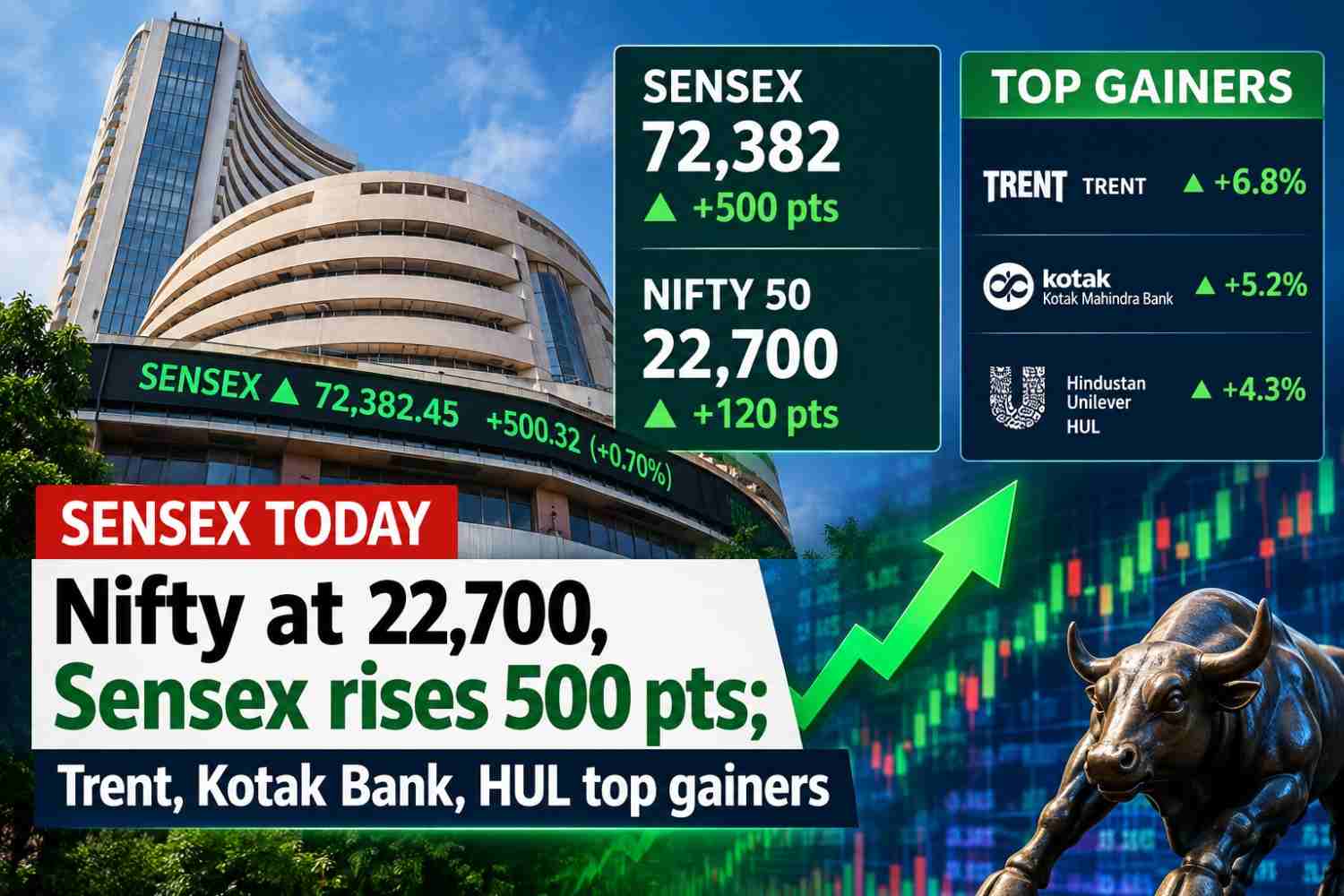
The decline has accelerated in recent sessions as several domestic and global factors have combined to weaken investor sentiment. During the holiday-shortened week ending October 1, the Nifty 50 fell 3.1% and the Sensex declined 2.7%. On Thursday alone, the Nifty closed 0.88% lower at 22,421.95, while the Sensex slipped 570.59 points, or 0.79%, to 71,909.70.
Foreign Investor Selling
One of the biggest sources of pressure has been sustained selling by foreign portfolio investors. Foreign investors sold equities worth ₹44,012.82 crore during the week, according to a report by Mint, while total foreign outflows for 2026 have reached a record $27.8 billion, according to Reuters.
Higher US Treasury yields have made emerging-market assets relatively less attractive, encouraging global investors to reduce exposure to Indian equities.
Rising Crude Oil Prices
Crude oil prices near or above $100 a barrel have added another major concern for the Indian economy. India relies heavily on imported crude, meaning prolonged high oil prices can increase the import bill, add to inflationary pressure and weigh on the rupee.
The uncertainty surrounding the Middle East and developments involving Iran have further contributed to volatility in global energy markets.
Bond Yields and Interest-Rate Concerns
Rising global bond yields have also hurt sentiment toward equities. The US 10-year Treasury yield recently reached its highest level since June 2007, according to Reuters. Higher US yields can reduce the relative appeal of riskier emerging-market investments.
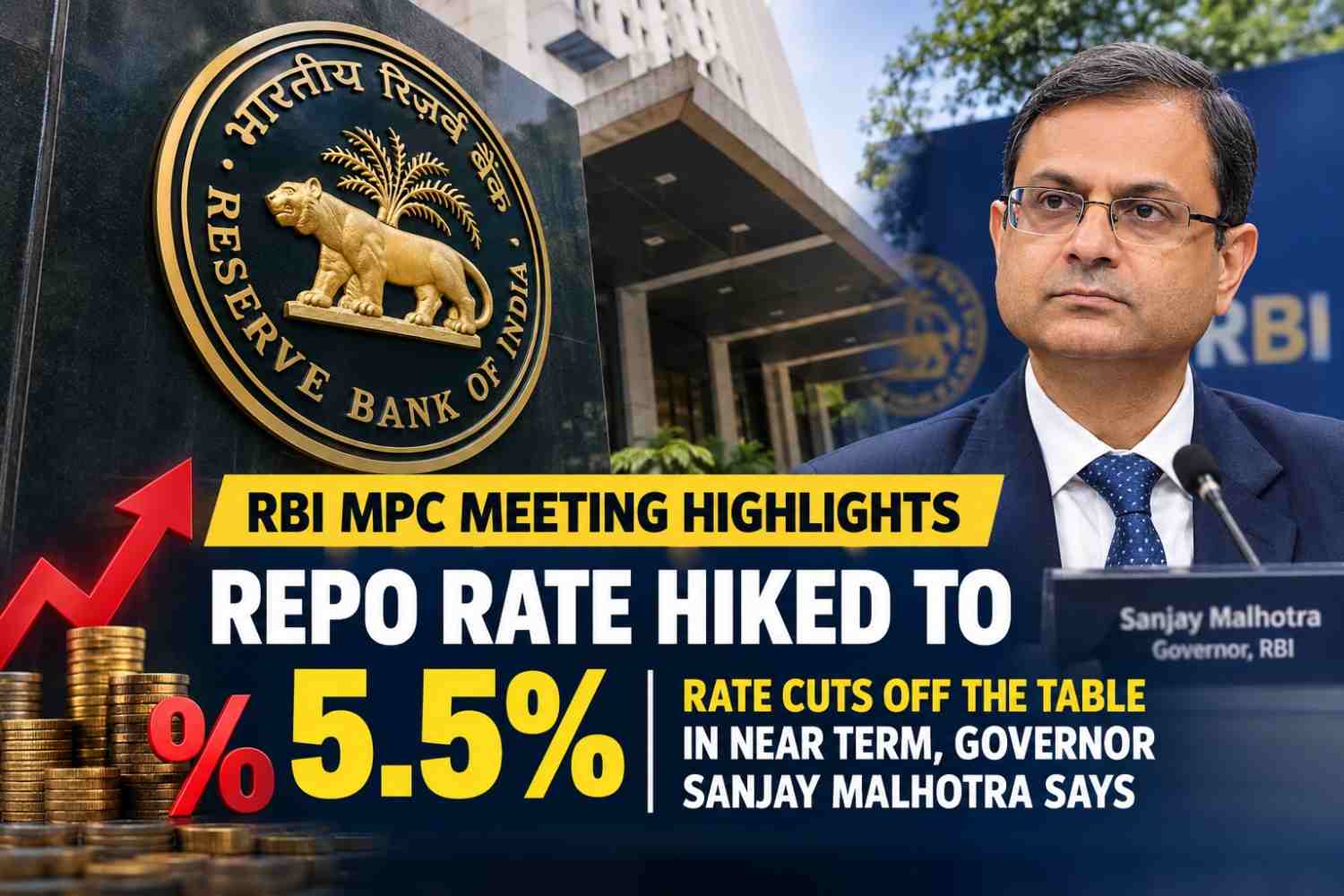
At home, India's 10-year government bond yield has also risen to a more than two-year high. Markets are closely watching the Reserve Bank of India's upcoming policy decision amid concerns that elevated oil prices could reignite inflationary pressures.
Rupee Weakness and Geopolitical Uncertainty
The Indian rupee has weakened alongside the equity-market sell-off, adding to concerns about imported inflation. Meanwhile, uncertainty surrounding the US-Iran situation and global trade and economic conditions has encouraged investors to adopt a more cautious approach.
Broad-Based Market Pressure
The selling has not been limited to large-cap stocks. Fifteen of the 16 major sectoral indices recorded weekly losses, while the Nifty Midcap 100 and Smallcap 100 fell 3.6% and 3.4%, respectively. Auto stocks dropped 5.9% and consumer durables declined 6.2% during the week, with concerns over demand and a weak monsoon adding pressure.
The Nifty IT index was among the exceptions, gaining 0.5% for the week as softer-than-expected US inflation data reduced some expectations of further interest-rate increases.
What Lies Ahead
With the eight-week decline now matching an unusually long losing streak last seen around 2001, investors are closely watching foreign flows, crude oil prices, bond yields, the rupee and upcoming corporate earnings.
The combination of expensive energy, tighter global financial conditions and persistent foreign selling remains a key challenge for Indian equities. At the same time, the market's next direction will depend heavily on whether these external pressures begin to ease and whether domestic earnings provide support.
"The decisions we make today will shape the world for generations to come."