New Delhi, October 23, 2026: India and China continue to use established diplomatic and military mechanisms to address unresolved border issues and prevent misunderstandings along the Line of Actual Control (LAC), the Ministry of External Affairs (MEA) said on Friday. The statement came following remarks by Indo-Tibetan Border Police (ITBP) chief Shatrujeet Singh Kapur regarding reported face-offs between Indian and Chinese forces in Arunachal Pradesh.
MEA spokesperson Randhir Jaiswal reiterated that maintaining peace and tranquillity along the border remains essential for improving bilateral relations. He also said that both countries had agreed to discuss ways to improve their understanding of the LAC in certain areas to strengthen border management and reduce the risk of confrontations.
MEA Flags Concerns Over Patrolling Patterns
Addressing reporters during a regular media briefing, Jaiswal said the situation along the India-China border gets disturbed from time to time when Chinese forces deviate from established patrolling patterns.
He emphasised that both countries continue to rely on existing diplomatic and military channels to resolve outstanding matters and prevent misunderstandings or miscalculations along the disputed frontier.
The MEA also highlighted the importance of better coordination and a clearer understanding of border areas, where differing perceptions of the LAC can contribute to face-offs between patrols.
ITBP Chief Reports Ongoing Face-Offs in Arunachal Pradesh
The MEA's statement followed remarks by ITBP Director General Shatrujeet Singh Kapur, who reportedly told personnel during an event in Alwar, Rajasthan, that face-offs had occurred at multiple locations in Arunachal Pradesh and were continuing.
Kapur praised the performance of the ITBP's newly raised Shaurya commando teams during these confrontations. The remarks drew attention because they appeared to confirm reports of continuing tensions along parts of the India-China border.
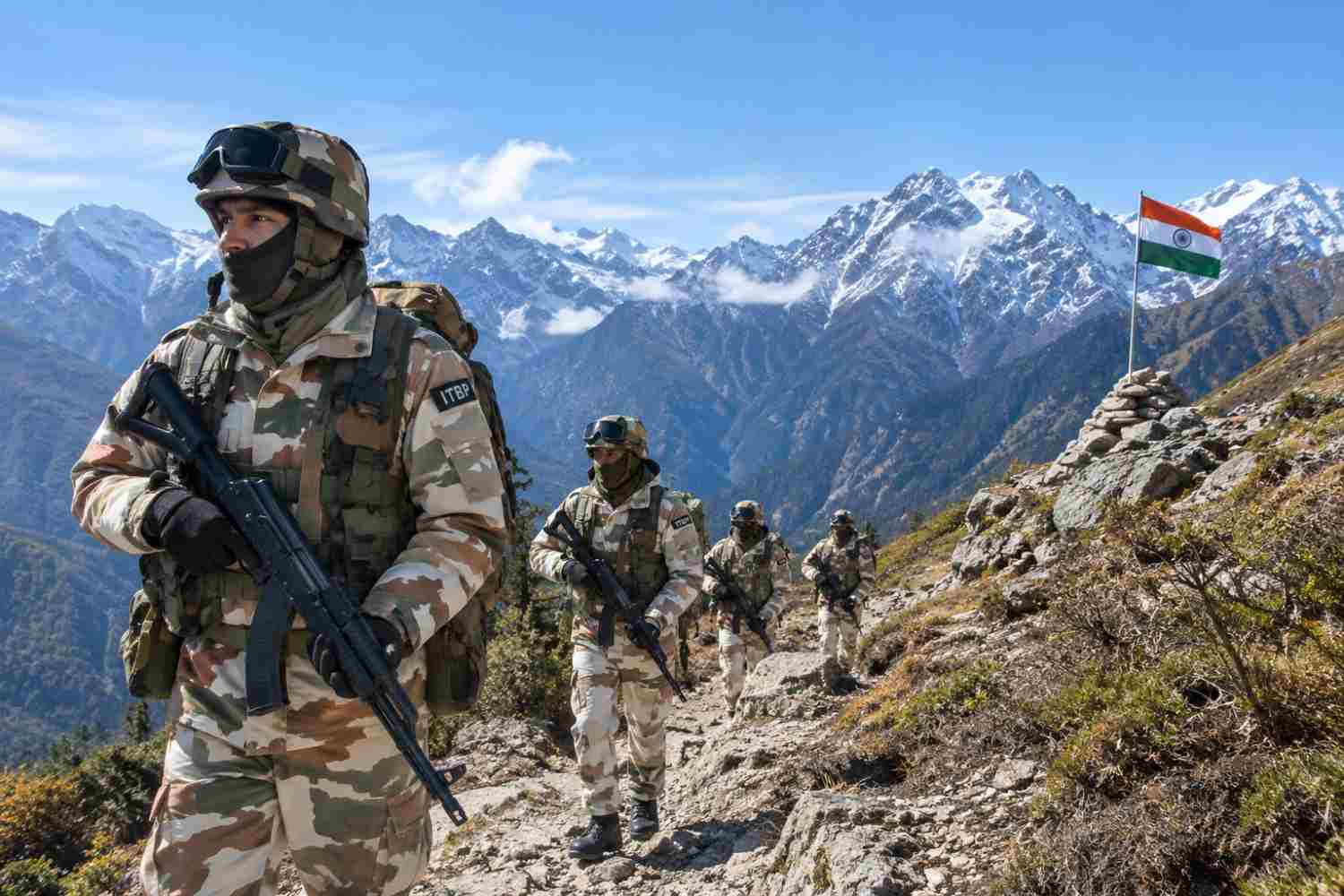
The ITBP is responsible for guarding and patrolling the LAC alongside China. Its personnel operate in challenging mountainous terrain, where surveillance, border infrastructure and rapid responses are important for maintaining security.
Reports of confrontations in the Taksin area of Arunachal Pradesh's Upper Subansiri district have also contributed to concerns about the situation along the frontier. However, the precise details of the reported face-offs have not been publicly established.
Diplomatic Engagement Remains Important
India and China have continued diplomatic and military engagement to manage tensions following the prolonged military standoff that began in 2020. The two countries reached an understanding in October 2024 concerning patrolling arrangements in parts of eastern Ladakh, marking an important step towards reducing tensions in the region.
Despite efforts to stabilise relations, border management remains a sensitive issue, particularly in areas where the two sides maintain differing perceptions of the boundary.
The MEA's latest remarks indicate that New Delhi continues to favour established communication channels and discussions aimed at preventing localised confrontations from escalating into broader tensions.
Peace Along the LAC Is Essential for Bilateral Ties
Jaiswal stressed that peace and tranquillity in border areas are necessary for the overall development of India-China relations. He added that both sides would continue discussions on improving their understanding of the LAC in appropriate areas.
While diplomatic engagement remains ongoing, developments along the frontier continue to draw attention to the challenges of managing a disputed boundary. The effectiveness of existing mechanisms and continued communication between the two countries will remain important in preventing misunderstandings and maintaining stability along the LAC.
"The decisions we make today will shape the world for generations to come."