The protest movement popularly referred to as the "Cockroach Protest" continued across several parts of India on Tuesday, despite police action taken a day earlier to disperse demonstrators. The developments have drawn nationwide attention, with the protests becoming a major topic of discussion both on the ground and across social media platforms.
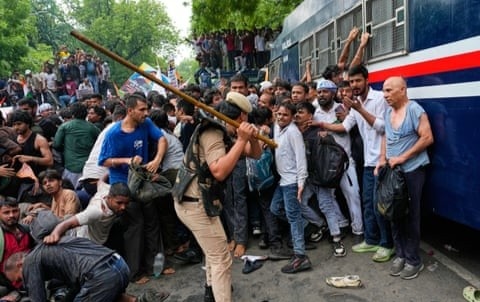
Authorities conducted operations at multiple locations to clear protest sites, stating that the measures were necessary to maintain public order and prevent disruptions. Several protesters were briefly detained during the crackdown, although many later regrouped and resumed demonstrations at different locations.
Organizers have maintained that the movement is intended to be peaceful and have urged participants to avoid violence or damage to public property. Meanwhile, law enforcement agencies have reiterated that while peaceful assembly is permitted, demonstrations must comply with legal regulations and should not interfere with normal public life.
The police response has generated mixed political reactions. Some leaders and civil society groups have raised concerns about the handling of the protests, arguing that democratic societies should protect the right to peaceful dissent. Others have supported the administration's actions, emphasizing the importance of maintaining law and order during large public gatherings.
The continuing demonstrations have also sparked broader discussions on the balance between citizens' constitutional right to protest and the government's responsibility to ensure public safety. Observers believe the coming days will be crucial in determining whether the movement expands further or moves toward dialogue with the authorities.
As the situation evolves, officials continue to monitor developments closely, while protest organizers have appealed for peaceful participation and restraint from all sides.
"The decisions we make today will shape the world for generations to come."