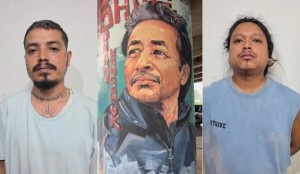
In the bustling heart of Guwahati, where flyovers slice through the city's daily rhythm, a quiet act of homage turned into a flashpoint. On Saturday, July 18, 2026, two young individuals found themselves in police custody—not for violence or theft, but for painting a portrait of renowned climate activist and educator Sonam Wangchuk on a public wall without official permission.Siasat
The duo, identified as Nakul Mili from Dibrugarh and Gaurav Singha from Dakhingaon in Guwahati, were spotted by a patrolling team near the Jyoti Bishnu Auditorium. They admitted to working on the incomplete mural. Police registered a case at Dispur station, describing the act as defacing public property. A separate case was opened at Basistha police station for another Wangchuk portrait on a flyover pillar.@EastMojo
This incident unfolds against the backdrop of Wangchuk's high-profile indefinite hunger strike at Delhi's Jantar Mantar, now in its third week as of mid-July 2026. The Ladakh-based innovator, celebrated for his work on sustainable education through SECMOL and pioneering Ice Stupas to combat water scarcity, has been fasting in solidarity with the Cockroach Janta Party (CJP) protests. These demand accountability over alleged irregularities in exams like NEET, alongside broader calls tied to his long-standing advocacy for Ladakh's statehood and constitutional protections. His health has deteriorated significantly—he has lost over 8 kg, with dropping blood pressure and glucose levels—yet he persists, drawing national scrutiny to issues of governance and youth futures.Economic Times
Why does a portrait trigger such swift action? Authorities in Assam, under Chief Minister Himanta Biswa Sarma, have repeatedly emphasized regulating unauthorized paintings on public infrastructure like flyovers. Recent statements highlight concerns over "damaging the beauty" of such spaces and preventing them from becoming canvases for unchecked political expression. Similar past episodes—such as artists detained for murals of local activist Akhil Gogoi or controversies around Zubeen Garg portraits—reveal a pattern where public art intersects with sensitivities around dissent and order.Assamtribune
From one perspective, this reflects legitimate governance: public property requires maintenance, permissions prevent chaos, and flyovers serve traffic, not activism. Unregulated murals could lead to visual clutter, safety issues, or escalation during tense times. Police noted the trend is recurring, signaling a policy push for prior approvals from district authorities or recognized institutions.Siasat
Yet, the timing amplifies deeper questions. Wangchuk embodies non-violent resistance rooted in environmental wisdom and cultural preservation—qualities that resonate far beyond Ladakh. His detention under the National Security Act in 2025 (later revoked) and ongoing protests underscore frustrations with unfulfilled promises on border region safeguards. In Guwahati, detaining young artists for an incomplete, non-offensive portrait risks appearing as suppression of solidarity, especially when the subject champions education reform and climate action—causes many youth across India support.Wikipedia
This raises the "why" behind the crackdown: Is it purely administrative, or does it stem from unease over Wangchuk's national profile amid Assam's own political dynamics? Public spaces have historically hosted art as dialogue—think revolutionary murals worldwide or India's street art traditions. When permissions become barriers, they can chill spontaneous expression, particularly for figures challenging the status quo.
The "how" of resolution matters. Police indicated the youths might be released soon after warnings, suggesting the intent was deterrence rather than prolonged punishment. However, such episodes highlight the need for clearer frameworks: designated public art zones, streamlined approval processes involving local communities, and balanced guidelines that protect infrastructure without muzzling voices.@NewsLiveGhy
Analytically, this incident mirrors broader tensions in India's democratic fabric. As urbanization accelerates, public walls become battlegrounds for narratives. Sonam Wangchuk's story— from engineering innovations in harsh Himalayan conditions to fasting for systemic change—reminds us that true progress requires tolerating uncomfortable symbols. Suppressing portraits doesn't erase the underlying grievances; it may amplify them.
For Assam, a state rich in artistic heritage from Sattriya traditions to modern street expressions, fostering creative outlets could build bridges rather than barriers. Encouraging authorized tributes to national icons like Wangchuk might channel energies positively, celebrating his contributions to sustainability and education while upholding civic rules.
In the end, the Guwahati portrait episode is small yet symbolic. It prompts reflection on balancing order with openness in an era where activists like Wangchuk continue to test the limits of endurance for collective betterment. As his strike draws attention to youth despair and environmental imperatives, authorities and citizens alike must weigh short-term enforcement against long-term democratic health.
"The decisions we make today will shape the world for generations to come."