In the heart of India's capital, a man who has spent decades innovating for remote Himalayan communities now lies weakened in a hospital, yet his voice cuts sharper than ever. Sonam Wangchuk, the renowned climate activist, educator, and engineer from Ladakh, has reached a critical juncture in his 23-day hunger strike. On July 20, 2026—the very day the Monsoon Session of Parliament opens—he issued a handwritten note outlining three precise conditions under which he would finally break his fast.
This moment didn't emerge in isolation. Wangchuk joined the Cockroach Janta Party (CJP) protests at Jantar Mantar in late June, amplifying calls for systemic overhaul in India's examination system following widespread allegations of irregularities, including the NEET-UG paper leaks that affected millions of aspirants. The protests spotlighted not just one scandal but a pattern of vulnerabilities exposing corruption, negligence, and the devastating human cost—ruined careers, family despair, and reported student suicides.
Wangchuk's conditions reflect a blend of principle, pragmatism, and urgency born from prolonged physical decline. First, he seeks explicit government accountability for failures in the education ecosystem, particularly the repeated paper leaks and systemic lapses. This isn't merely symbolic; it demands acknowledgment that could pave the way for concrete reforms like stronger safeguards, transparent investigations, and preventive mechanisms to restore faith in competitive exams that shape the futures of India's youth.
Second, he offers a path through democratic channels: if he and CJP leadership can reach Parliament's doorstep during the ongoing session, and MPs across parties publicly assure that the issues will be raised and addressed meaningfully, he would end the protest. This condition underscores his belief in parliamentary dialogue as the cornerstone of resolution, urging lawmakers to prioritize student welfare over political posturing.
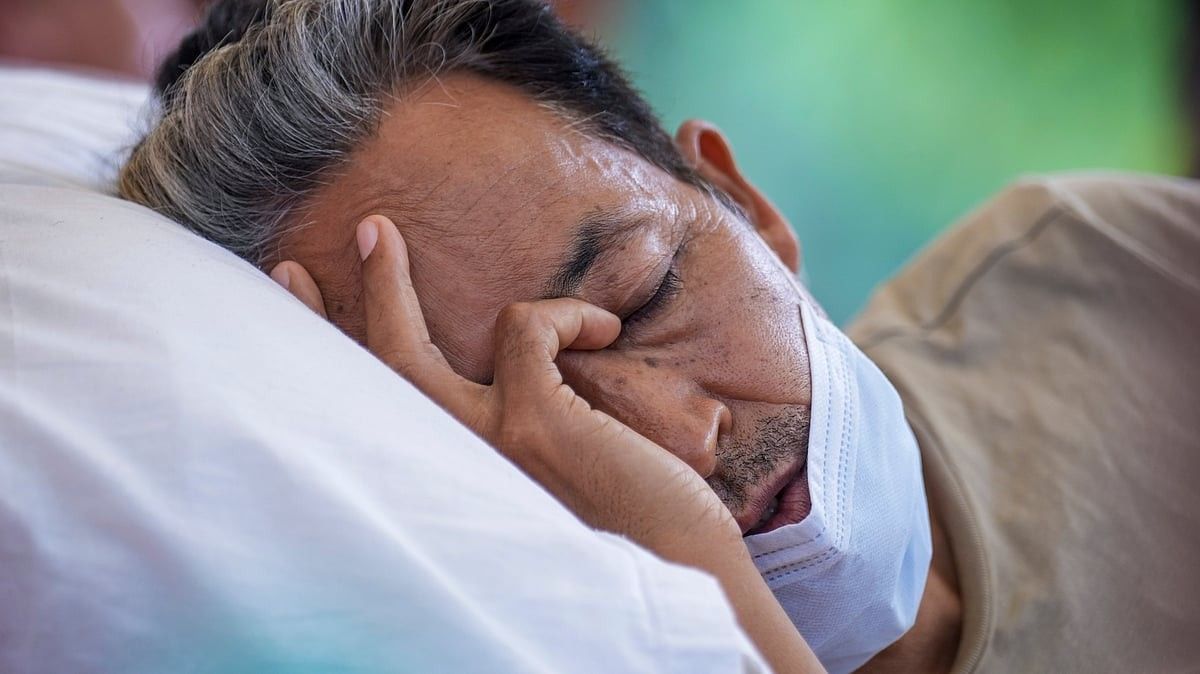
The third condition addresses his precarious health. Admitted to Safdarjung Hospital on July 18 after doctors warned of critical risks—including significant weight loss, dehydration, and potential organ strain—Wangchuk stated that if his condition prevents participation in the "Sansad Chalo" march, visiting MPs and leaders must deliver the same assurances at his bedside. He has described his situation there as "illegal detention," with restricted movement and communication, adding layers of tension to an already charged standoff.
These demands emerge against a backdrop of deeper, interconnected struggles. Wangchuk's activism has long intertwined education reform with Ladakh's aspirations for constitutional protections, environmental safeguards, and greater autonomy—issues he has fasted for before. His willingness to risk "six weeks or death," as voiced earlier, highlights the personal toll activists often bear when institutional responses lag. Supporters see his stand as a moral beacon for a generation frustrated by opaque systems, while skeptics question the sustainability of such protests.
As the Monsoon Session unfolds, the ball sits firmly in the court of political leaders and the government. Will they seize this as an opportunity for genuine engagement—perhaps through inquiries, policy shifts, or cross-party commitments—or will the fast's resolution hinge on medical inevitability? Wangchuk's move isn't just about ending a personal ordeal; it tests the responsiveness of India's democratic machinery to youth anguish and regional voices. The coming hours could signal whether accountability prevails or if deeper disillusionment takes root.
His story reminds us that true change often requires uncomfortable pressure, rooted in sacrifice and unyielding hope for a fairer system where education empowers rather than breaks dreams.
"The decisions we make today will shape the world for generations to come."